Most bird owners don’t realize that standard kennels lack the species-specific knowledge to keep their parrots safe. Temperature mishaps, hydration issues, and mosquito exposure can turn deadly fast—but most facilities won’t tell you what they’re missing until it’s too late.
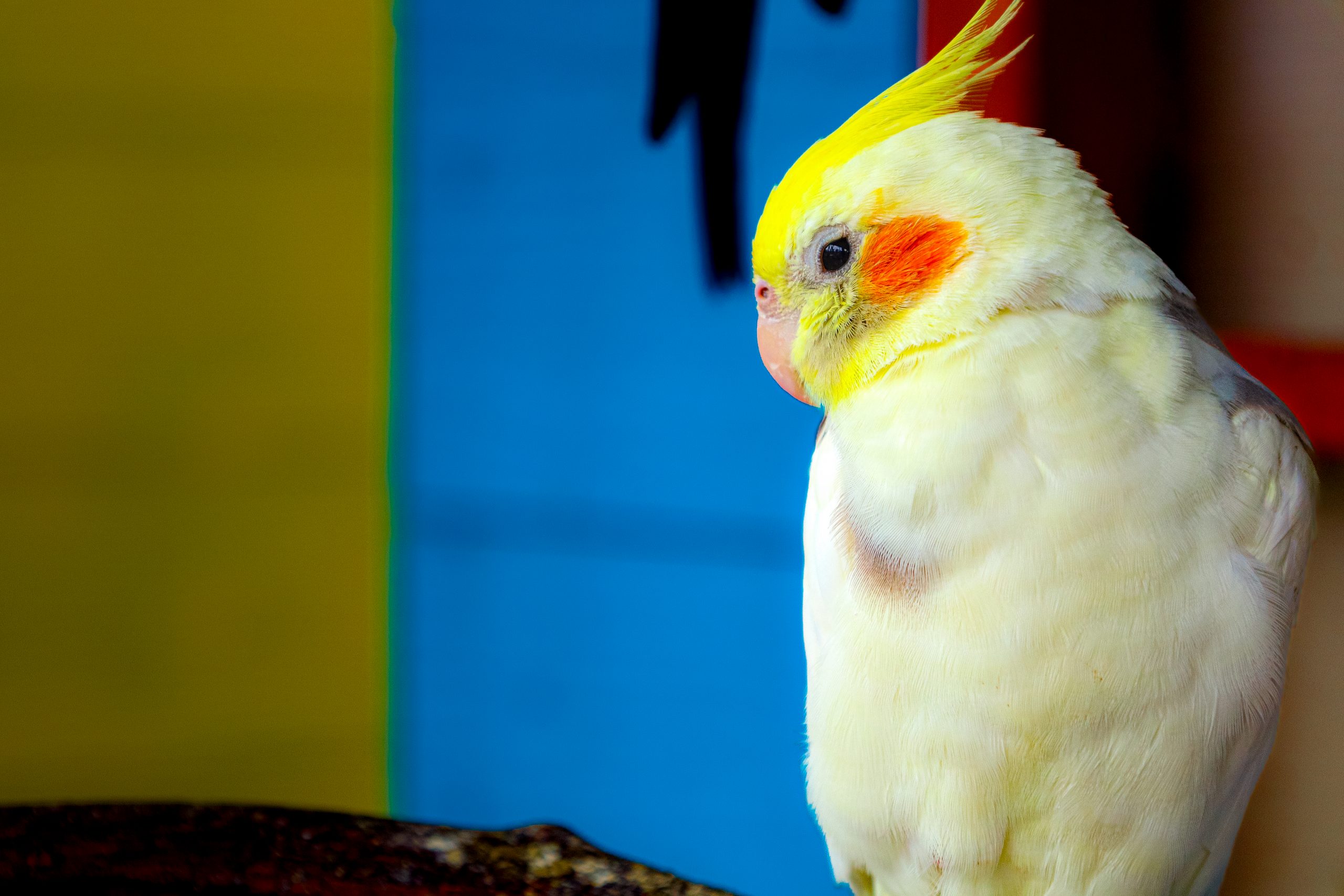
Leaving a bird in someone else's care is never a small decision. Birds are sensitive, routine-driven animals whose health can deteriorate quickly in the wrong environment. Unlike dogs or cats, they require precise temperature management, active hydration monitoring, and a diet that spoils fast if left unattended. Knowing what to look for before choosing a boarding facility can mean the difference between a stress-free trip and a serious health scare.
Walk into most boarding facilities, and what you'll find is a setup optimized for dogs and cats. That's not a criticism — it's just the reality of how the industry is structured. The problem arises when bird owners assume that any professional kennel can handle their parrot, cockatiel, or conure with the same level of competence.
Birds have fundamentally different physiological and behavioral needs. They're highly sensitive to airborne toxins, temperature swings, and loud or unfamiliar noises. A dog barking two rooms over can trigger days of stress in a bird that would otherwise be perfectly healthy. Staff trained to spot a lethargic dog may not recognize the same warning signs in an African Grey or a lovebird.
The experts at Belle Aire Kennels emphasize that bird owners should ask pointed, specific questions when evaluating any boarding facility — not just whether birds are accepted, but whether the staff actually understands avian behavior and health. The gap between a facility that tolerates birds and one that's genuinely equipped for them is significant.
Temperature is one of the most critical variables in avian care. Birds regulate their body temperature through mechanisms like panting and feather adjustments rather than sweating, which makes environmental consistency a baseline requirement for any facility worth trusting — not an optional bonus.
The ideal temperature range for most companion birds falls between 65°F and 80°F (roughly 18°C to 26°C). Fluctuations outside this range — especially sudden drops or spikes — can cause rapid health deterioration. A facility that relies on passive ventilation or inconsistent HVAC systems is a red flag. Heating and air-conditioning should be active, monitored, and consistent throughout the boarding area, not just in the lobby.
Natural light is beneficial for birds in measured doses, but direct sunlight hitting a cage can create dangerously localized heat — even when the room temperature feels comfortable. Metal components in feeders, water dishes, and cage bars absorb heat quickly and hold it, turning a sunny corner into a hazard zone. Any reputable facility should position enclosures away from direct window exposure, using shading or strategic placement to keep temperatures stable throughout the day.
Good air circulation reduces bacterial buildup and keeps the environment fresh, but there's a critical distinction between ambient airflow and a direct draft. A fan blowing directly on a bird's cage can cause respiratory distress — a real danger for species already prone to upper respiratory issues. Look for facilities that use oscillating fans positioned to move air through a room without targeting enclosures directly. Ask how they handle airflow in warmer months specifically.
In warm conditions, water quality degrades fast. Bacteria multiply rapidly in standing water, especially in a warm room with ambient feather dust and food particles nearby. Passive hydration management — filling a dish in the morning and checking it at night — isn't sufficient for a boarded bird, particularly in summer.
Fresh, clean water should be available at all times and changed at a minimum once daily — but in warmer conditions, two to three changes per day is the better standard. Tap water with naturally occurring trace minerals is generally preferable to distilled water, which lacks those minerals. Dishes should be cleaned, not just refilled, to prevent bacterial film from accumulating. This level of attention to detail is what distinguishes a facility that understands avian biology from one that's simply going through the motions.
Birds that are hesitant to drink from a dish can often be encouraged to stay hydrated through their food. Water-dense foods like cucumber, seedless watermelon, leafy greens such as spinach, and fresh berries serve double duty — they provide nutrition and contribute meaningfully to daily fluid intake. Ask whether the boarding facility incorporates hydrating fresh foods into their avian care protocol, especially during warmer months. This small detail reveals a lot about how thoughtfully a facility approaches bird-specific care.
Birds don't just eat differently from dogs and cats — their food spoils faster, their nutritional needs are more precise, and an incorrect diet over even a few days can create real health consequences. A facility that feeds whatever the owner brings without any structured protocol isn't truly managing avian dietary care.
Fresh fruits and vegetables left in a warm cage become a bacterial breeding ground within hours. The standard recommendation is to remove uneaten fresh food within two to three hours of serving — a timeline that requires staff to be attentive and proactive, not just responsive. If a facility can't articulate how they handle fresh food removal and cage sanitation throughout the day, that's worth taking seriously before committing to a booking.
The foundation of a healthy bird's diet should be a complete pelleted food, supplemented with fresh fruits and vegetables. Seeds and nuts have their place, but they're calorie-dense and nutritionally limited when used as a primary food source — a common mistake that leads to obesity and nutrient deficiencies over time. A knowledgeable boarding facility will understand this distinction and be willing to follow an owner's dietary instructions precisely, rather than defaulting to whatever's easiest to store.
Outdoor aviaries can offer more space and natural light, but they come with a risk that many bird owners underestimate: mosquito-borne illness. West Nile Virus is transmissible to birds and can be fatal. A facility offering any form of outdoor boarding should have concrete, visible mosquito mitigation in place.
That means fine-mesh netting covering all enclosures, elimination of any standing water on the property — birdbaths, puddles, drainage areas — and thoughtful scheduling that avoids peak mosquito activity times, typically early morning and late evening. These aren't optional precautions. If a facility can't explain their mosquito control protocol specifically, outdoor boarding there carries unnecessary risk.
The right questions to ask go beyond cage size and pricing. A genuinely qualified avian boarding facility demonstrates its competence through its staff, its emergency protocols, and its intake process — all before a bird ever spends a night there.
Birds are prey animals by nature, which means they instinctively mask signs of illness until they can no longer sustain the effort. By the time a bird appears obviously sick, the situation may already be serious. Staff at a qualified facility should know what subtle behavioral changes to watch for — feather puffing, unusual quietness, changes in droppings, reduced appetite — and should have a clear protocol for responding when something seems off. Ask directly: what happens if a bird shows signs of illness during boarding?
Not every veterinarian treats birds, and avian medicine requires specialized training. A quality boarding facility should have a relationship with a licensed avian veterinarian and be able to act quickly if a medical situation arises. This connection isn't just a nice feature — it's a meaningful indicator that the facility takes avian health seriously and has prepared for the possibility of an emergency.
Intake documentation is one of the clearest signals of a facility's professionalism. A thorough intake process should capture health history, current medications, dietary preferences and restrictions, feeding times, behavioral quirks, and any known stressors. This information allows staff to provide consistent care that mirrors what the bird receives at home — and it creates accountability. If a facility's intake form is a single half-page with space for a name and an emergency contact, that's telling.
Birds are creatures of habit. Disruptions to their routine — different feeding times, unfamiliar sounds, new faces — can cause behavioral changes and even physical symptoms of stress. A good boarding facility doesn't just manage the physical environment; it actively works to replicate the structure a bird is used to.
The noise and smell of dogs and cats is inherently stressful for birds, even when no direct interaction takes place. A bird housed near a kennel full of barking dogs is not in a calm environment, regardless of how clean or well-staffed the facility is. Birds should be boarded in a separate, quiet area — ideally a dedicated avian ward or room — where the ambient noise level stays low and the sensory environment stays predictable.
Before drop-off, put together a written schedule that covers feeding times, preferred foods, typical wake and sleep times, any handling preferences, and anything the bird responds strongly to — positively or negatively. The more specific, the better. Facilities that actively encourage this kind of detailed communication are demonstrating exactly the right attitude toward avian care. Those that don't ask for it should prompt the question of how they plan to replicate a bird's home routine without knowing what it is.
Choosing a boarding facility for a bird isn't the same as dropping a dog off at a kennel. The physical environment, the staff's training, the dietary protocols, and the emergency preparedness all need to meet a higher and more specific standard. Asking detailed questions before committing — about climate control, hydration practices, diet management, mosquito protection, and veterinary access — isn't being overly demanding. It's being a responsible bird owner.
The right facility will welcome those questions. It will have clear, confident answers. And it will already be doing most of these things as a matter of standard practice, not because an owner thought to ask. That's the difference between a facility that accepts birds and one that's actually built to care for them.


