Yoga leggings do more than feel comfortable. They actively support your muscles, protect against injury, and hold up well beyond the gym. Knowing what separates a quality pair from one that falls apart after a few washes makes all the difference when shopping.
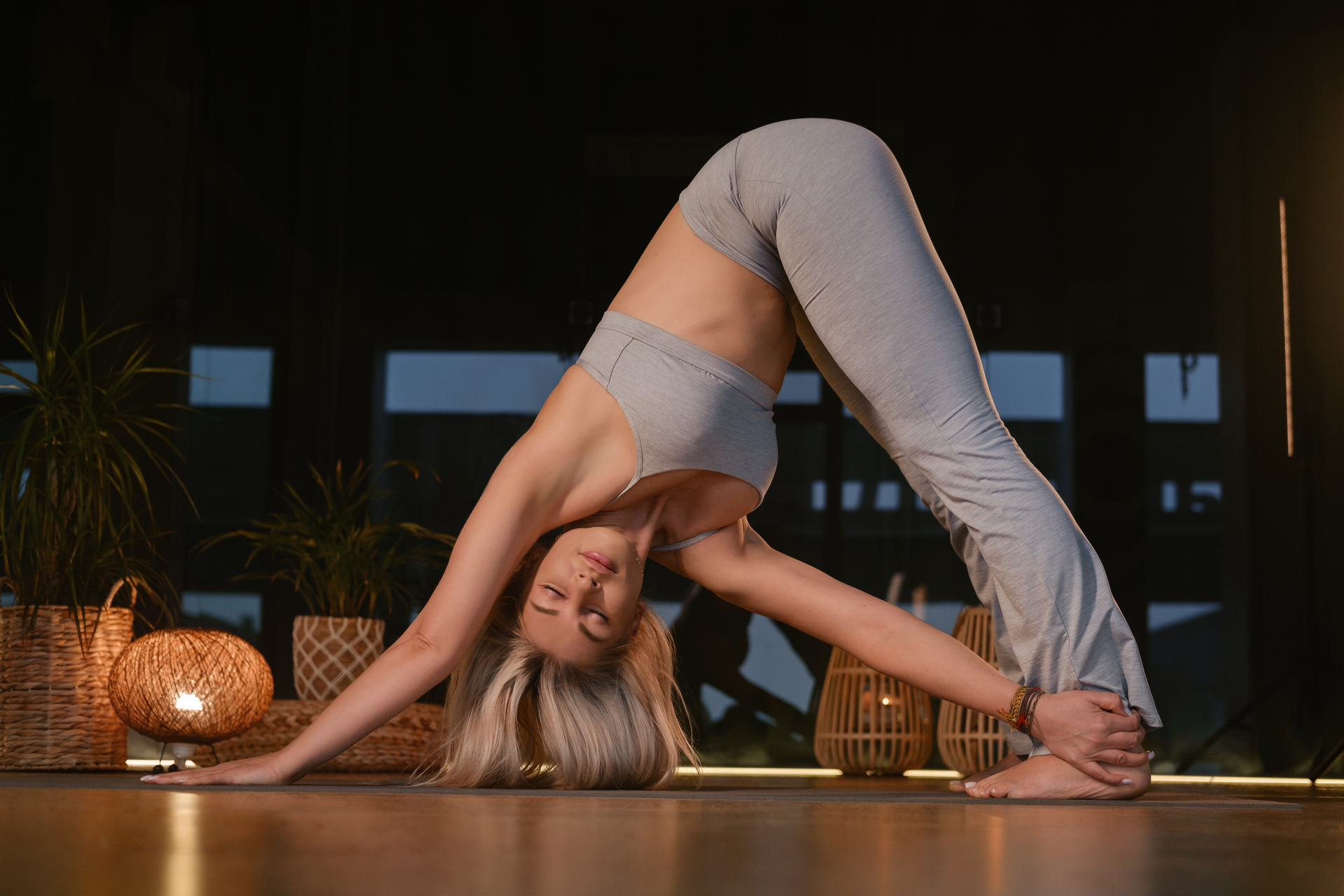
Yoga leggings have become one of the most practical clothing investments a woman can make, not because of trends, but because of how well they actually perform. The right pair supports your body, manages sweat, and holds its shape through repeated use.
Most women don't realize how much clothing affects their workouts until they find something that genuinely works. Before spending money on the next pair, understanding what yoga leggings actually do for your body, from muscle support to injury prevention, changes how you shop for women's activewear designed for real movement entirely.
Most traditional pants are built around appearance, not movement. Rigid fabrics resist stretching, sit awkwardly when you squat or lunge, and trap heat against your skin during physical activity. Women who work out in non-technical clothing often experience chafing, restricted stride, and discomfort that cuts sessions short.
The problem isn't effort. It's that the clothing fights the body instead of following it. Yoga leggings fix this by starting from a completely different design philosophy: movement first, everything else after.
Yoga leggings use stretchy fabric blends, typically spandex, polyester, or cotton combinations, that extend in every direction your body moves. When you bend, twist, or hold a pose, the fabric follows without pulling or bunching. This matters most in exercises like yoga, pilates, and strength training, where the range of motion directly affects your form and results.
Because the fabric moves with you rather than against you, your focus stays on the exercise itself instead of adjusting your clothing mid-rep. Better focus tends to mean better technique, and better technique reduces the risk of strain over time.
Sweat is unavoidable during exercise, but the fabric you wear determines how you feel throughout. Quality yoga leggings use moisture-wicking material that pulls sweat away from your skin and lets it evaporate quickly, keeping you dry rather than damp and overheated mid-workout.
Standard cotton garments absorb moisture and hold it against the skin, making workouts feel progressively heavier and less comfortable as they go on. The difference becomes obvious fast, especially during longer or more intense sessions where heat and sweat build steadily.
Compression leggings apply gentle, consistent pressure to the muscles in your legs during exercise. This increases blood circulation, which delivers more oxygen to working muscles and helps delay fatigue. After your workout, that same compression supports recovery by reducing the vibration and muscle stress that cause soreness the next day.
For women who train regularly, this translates to more consistent workouts with less downtime between sessions, which compounds into real progress over time.
Loose clothing shifts during movement, creating a distraction and occasionally increasing injury risk during dynamic exercises. Yoga leggings stay in place and keep muscles warm throughout a session. Warm muscles are more flexible and less prone to strains, which is especially important during flexibility-focused workouts where cold muscles face a higher injury risk.
Not all leggings perform equally, and the wrong choice can undercut most of the benefits above. The fabric blend matters most — spandex or elastane handles stretch, polyester wicks moisture, and cotton suits lower-intensity wear. Waist height is worth considering too: high-waisted styles offer more core support and stay put during movement, while mid-rise works better for low-impact activity. For length, full leggings provide warmth and coverage, while capri styles are better suited for high-sweat workouts. And always check opacity — the fabric should stay opaque when stretched, especially for floor-based exercises.
Many women size down, assuming compression means going smaller, but overly tight leggings restrict circulation rather than support it. Sizing too far up removes the close contact the fabric needs to wick moisture and deliver compression effectively. Always check the brand's size chart and prioritize fit over the number on the label.
Their wrinkle-resistant, lightweight build makes yoga leggings reliable for travel. They fold flat in luggage, hold up through long flights without becoming uncomfortable, and transition easily across different parts of a day without needing a change of clothes.
Expectant and postpartum women also find yoga leggings particularly useful since the soft, elastic waistband adjusts to the body without applying pressure to the stomach, offering a level of comfort that standard pants simply cannot match during that stage. Beyond function, the range of cuts, colors, and prints available today means yoga leggings pair naturally with casual tops, light jackets, and layered outerwear, making them a genuinely flexible wardrobe piece rather than a single-use gym item.
The difference between leggings that last and ones that lose shape after a few washes comes down to construction. These markers point to a quality pair:
Flatlock stitching reduces chafing along seams, and fabric weight should feel substantial without being heavy — too thin usually signals poor durability. The waistband matters more than most people expect: a quality band stays in place without rolling or sliding, regardless of its width. Colorfastness is another reliable indicator — good leggings hold their color through repeated washing when cared for correctly.
To extend the life of your leggings, wash them in cold water, skip fabric softener since it breaks down stretch fibers, and air dry when possible. These small habits preserve both the performance and appearance of the fabric over time.
Yoga leggings work because they're built around how the body actually moves. Stretch, compression, moisture control, and durability aren't bonus features — they're what separates a pair that genuinely supports your training from one that just looks the part. Getting the fit and fabric right from the start makes every workout a little easier to show up for.


