With 91% of homeowners planning renovations in 2026, contractor schedules are filling up fast—some already booking months in advance. But here’s the surprising part: winter scheduling could save you 10-15% on your project while avoiding the spring scramble entirely.
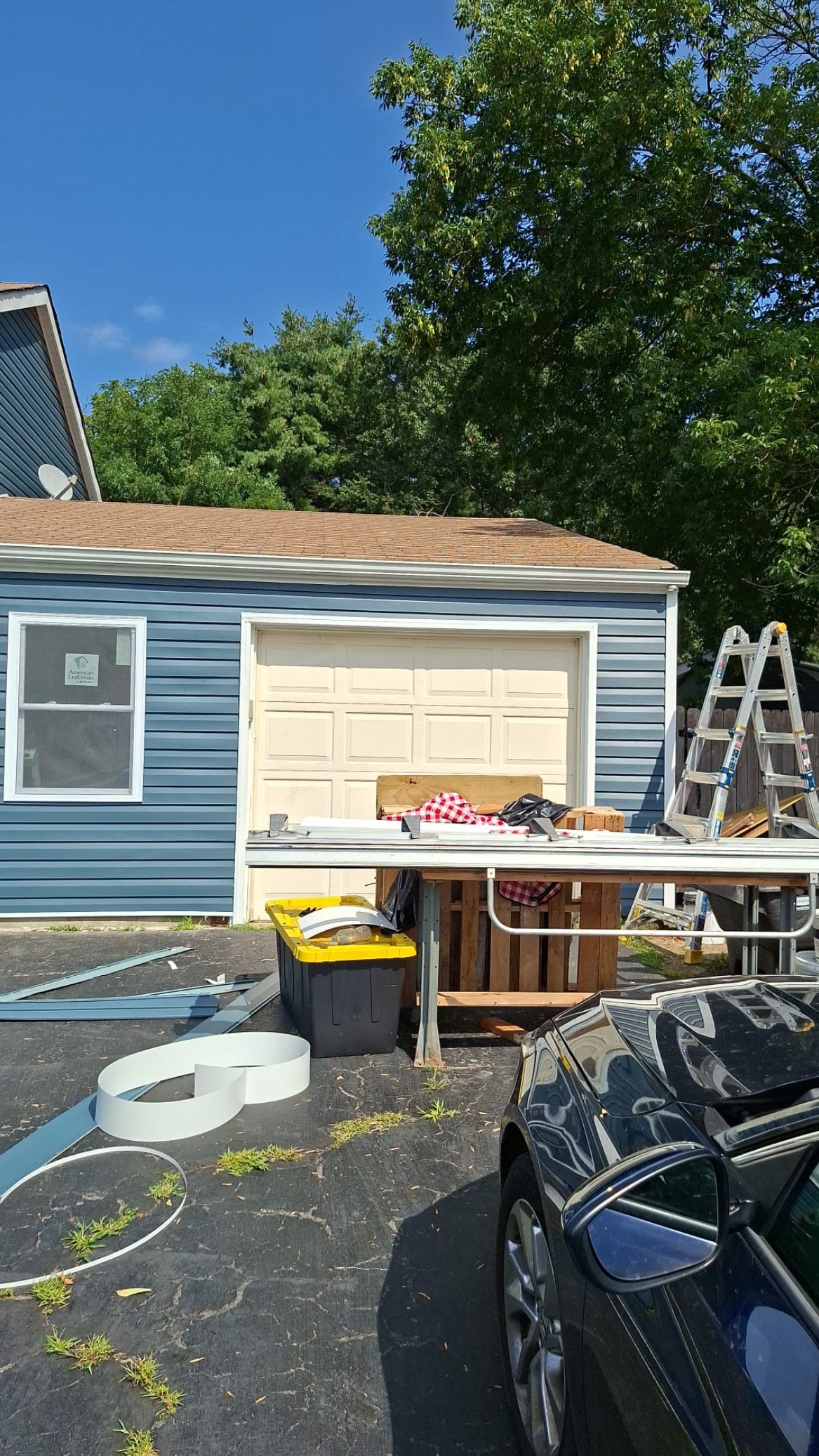
The renovation boom shows no signs of slowing down. With economic pressures continuing into 2026, strategic timing has become the difference between a smooth renovation experience and a stressful scramble for contractor availability. Smart homeowners are already thinking ahead to secure their ideal renovation timeline.
A recent Houzz survey reveals that more than 91% of U.S. homeowners intend to proceed with renovations in 2026, with 67% maintaining or expanding their original project scope despite economic uncertainties. This unprecedented demand is driving residential remodeling activity up by 3%, with total homeowner spending projected to reach $522 billion by year's end.
The sustained growth stems from structural market factors including an aging housing stock, the mortgage rate "lock-in effect" keeping homeowners in place longer, and the growing trend of aging-in-place renovations. These forces are creating a perfect storm of renovation demand that's reshaping how contractors and homeowners approach project scheduling.
With this level of market activity, professional renovation companies are emphasizing the importance of early planning to navigate increased competition for contractor availability and materials. The days of calling a contractor in March for a spring start are effectively over in today's market.
Spring consistently ranks as the most popular renovation season for good reason. The mild weather creates ideal conditions for both interior and exterior projects, from foundation work and roofing to landscaping and deck construction. Contractors and trades emerge from winter with renewed energy, and homeowners are eager to start enjoying improvements as warmer weather approaches.
However, this popularity creates significant challenges. Contractor schedules fill rapidly during spring and summer months, often leading to higher quotes due to peak demand. Materials can become scarce, permit processing slows due to volume, and homeowners frequently find themselves competing for preferred contractors' attention. Many discover that their "spring start" has been pushed to mid-summer or beyond.
Winter scheduling offers compelling benefits that savvy homeowners are beginning to recognize. Interior renovations during winter months provide better contractor availability, more flexible scheduling, and often faster project completion times. Kitchens, bathrooms, and basement finishing projects can proceed without weather-related delays that might affect exterior work.
The off-season timing also translates to potential cost savings of 10-15% on both labor and materials. Contractors actively seek projects to maintain full schedules during slower months, while suppliers frequently offer seasonal discounts to move inventory. The key is working with contractors who maintain year-round operations rather than those who shut down during winter.
Summer's extended daylight hours make it excellent for outdoor projects like pools, decks, and extensive landscaping work. However, extreme heat can slow certain types of work and make living through construction more challenging. Fall presents a sweet spot for many homeowners - completing outdoor work before winter while taking advantage of contractors' availability as summer demand wanes.
Fall scheduling works particularly well for roofing, siding, and window replacement projects that need completion before harsh weather arrives. It also allows time for exterior work to wrap up and transition into interior projects during winter months, creating a natural project flow.
Professional renovation planning requires significantly more time than most homeowners anticipate. Beginning planning 6-12 months in advance allows for thoughtful decision-making, accurate budget alignment, and securing preferred contractors and materials without pressure.
This extended timeline accounts for the multiple phases involved: initial design and scope refinement (1-4 weeks), pre-construction planning including material selection and permit applications (5-6 weeks), and the core construction phase (7-20 weeks for major renovations). Rushing any of these phases typically creates problems that compound throughout the project.
Permit processing times vary dramatically by location and project complexity. While simple projects might receive approval in 1-4 weeks, complex additions or major renovations can take several months, particularly in busy municipalities. Homeowners should plan accordingly based on their specific project scope and local requirements.
Structural changes, electrical upgrades, and plumbing modifications almost always require permits, and the approval process cannot be rushed. Smart contractors begin permit applications immediately after contract signing, understanding that this timeline drives everything else in the project schedule.
Winter booking for spring projects has become necessary in today's market. Top-tier contractors often book their spring schedules by January or February, leaving last-minute planners with limited options or longer wait times. The most strategic approach involves securing contractor commitments during their slower season when they're most receptive to new project discussions.
For interior projects, winter booking can mean immediate availability rather than waiting months. Contractors appreciate homeowners who plan ahead and often reward this foresight with better pricing and more flexible scheduling.
Late fall and winter pricing consistently offers the best value for renovation investments. Contractors seeking to maintain steady work during slower months become more competitive with their pricing, while still delivering the same quality workmanship. This seasonal pricing advantage can result in meaningful savings on labor costs.
The reduced competition for contractor attention during off-peak months also means more time for detailed planning and problem-solving, potentially avoiding costly changes or mistakes that occur when projects are rushed.
Material availability fluctuates seasonally, with suppliers offering significant discounts during winter months to reduce inventory. Flooring, fixtures, appliances, and even lumber often see price reductions as suppliers prepare for new model years and clear existing stock.
Ordering materials during off-peak seasons also ensures better availability and shorter lead times. Custom items like windows, cabinets, and specialty fixtures that might face delays during peak season often arrive more quickly when ordered during slower periods.
Roofing, siding, and foundation work require dry, moderate weather conditions that make spring and fall optimal scheduling windows. These projects suffer significantly from weather delays during winter months, while extreme summer heat can affect material performance and worker safety.
Landscaping and hardscaping projects benefit from spring scheduling to allow new plantings to establish before summer stress, while fall completion gives hardscape materials time to settle before winter freeze-thaw cycles.
Kitchen and bathroom renovations scheduled during winter months avoid disrupting prime entertaining seasons and summer vacation periods. Families can more easily manage temporary kitchen arrangements when they're not hosting outdoor gatherings or dealing with children's summer schedules.
Basement finishing, home office creation, and HVAC upgrades also work well during winter scheduling, when disruptions to daily routines have less impact on outdoor activities and social entertaining.
Large-scale renovations benefit from strategic phase scheduling across multiple seasons. Starting with interior work during winter, transitioning to exterior projects in spring, and completing outdoor living spaces in early summer creates an efficient flow that maximizes seasonal advantages.
This approach requires sophisticated planning but can significantly reduce overall project duration and cost while minimizing disruption to normal living patterns throughout the renovation process.
The most successful 2026 home renovations will be those that begin planning now, regardless of intended construction timing. Early planning provides control over scheduling, budgeting, and material selection while avoiding the stress and compromises that come with rushed decision-making.


