Renovation refreshes surfaces like paint and fixtures, while remodeling changes your bathroom’s structure and layout. Each approach has different costs, timelines, and permit requirements. Your daily frustrations reveal which path actually solves your problems without wasting money on unnecessary work.
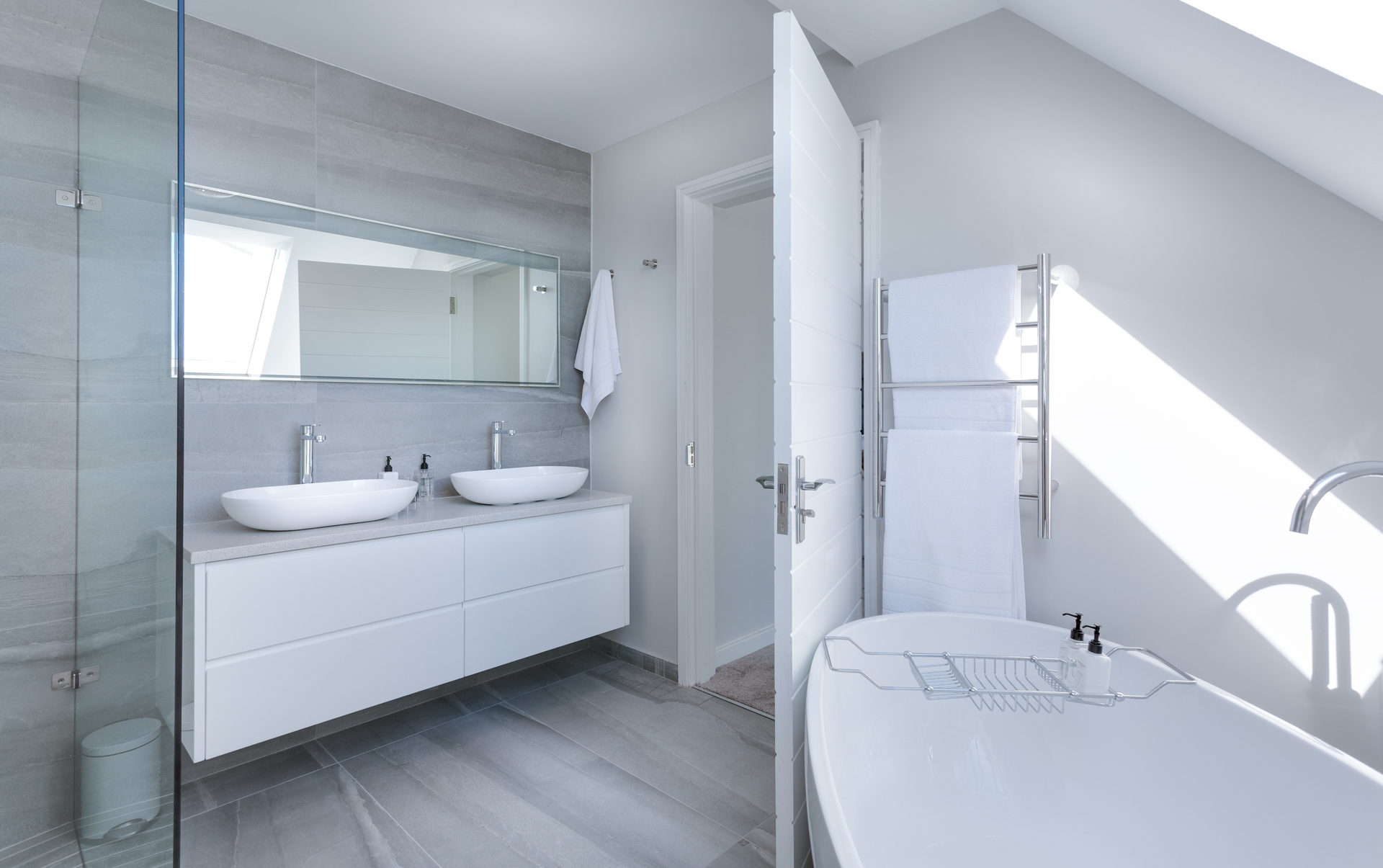
Most homeowners planning bathroom updates often use "renovation" and "remodel" interchangeably, but this confusion can lead to budget overruns, timeline disasters, and projects that fall short of expectations.
New Jersey experts from World Class Remodeling explain that knowing which approach fits your situation saves money and headaches. The distinction matters whether you're refreshing an outdated powder room or tackling a complete transformation. Here's what separates these two paths and how to pick the right one.
Renovation breathes new life into your existing bathroom without disturbing the underlying structure or relocating fixtures. Instead of relocating plumbing or knocking down walls, this approach focuses on replacing what's visible—think new paint, updated fixtures, modern flooring, and fresh finishes. Everything stays in its current spot while looking completely different.
The work happens on surfaces rather than behind them, which keeps costs reasonable and timelines short. When you swap an old vanity for a sleek new one in the same location, that's renovation. Likewise, installing contemporary lighting fixtures, painting cabinets, or laying new tile all fall into this category because they refresh the appearance without altering the room's footprint.
Unlike renovation's surface-level improvements, remodeling transforms your bathroom's actual structure and layout. This means moving walls, relocating fixtures, expanding the space, or completely reconfiguring how the room functions. Converting a cramped powder room into a full bath with a shower requires remodeling because you're changing the space's fundamental purpose.
Behind-the-walls work defines remodeling projects—new drain lines, relocated electrical circuits, reinforced joists, and structural modifications. Since these changes affect your home's bones, permits and inspections become necessary. Multiple contractors coordinate their schedules, which explains why projects of this scale take weeks or months rather than days.
Scope separates these approaches more than anything else—renovations update what you see, while remodels change what you don't. Because remodeling involves structural work, electrical systems, and plumbing relocations, costs climb quickly. Where renovation might run $5,000 to $15,000, remodeling typically starts at $15,000 and can exceed $50,000.
Timeline differences matter too. Most renovations wrap up within two to four weeks, keeping disruption minimal. Remodeling stretches across one to three months or longer since contractors must coordinate multiple trades and wait for permit approvals. During renovation, you might keep using your bathroom with some inconvenience. Remodeling makes the space completely off-limits until work finishes.
Permits represent another major distinction—simple surface updates rarely need approval, but structural changes almost always require permits and inspections from local building departments.
Honest assessment comes first: does your bathroom layout genuinely fail your needs, or does it simply look dated? If you constantly battle inadequate storage, awkward fixture placement, or insufficient space, remodeling probably makes sense. When your complaints center on tired colors, old hardware, or worn surfaces, renovation likely handles everything.
Budget reality matters more than wishful thinking since remodeling costs two to three times what renovation runs. Before meeting contractors, measure your bathroom carefully and note where plumbing currently sits. Document specific problems rather than vague desires—"not enough counter space" beats "needs updating" when planning scope. Research your local permit requirements early because skipping this step creates expensive complications later.
Experienced contractors minimize disruption through careful planning and clear communication from day one. Rather than hoping everyone shows up on time, they schedule each trade deliberately so that work flows logically. Before starting, good contractors explain what to expect regarding noise, dust, and bathroom access—this transparency prevents most complaints.
Daily cleanup, protective barriers, and proper ventilation show respect for your home. Quality contractors complete each phase fully before moving forward instead of jumping between tasks. This systematic approach keeps projects organized and on schedule.
Written estimates should break down every cost—materials, labor, permits, and contingency funds—instead of offering one mysterious number. The best contractors explain renovation versus remodeling honestly, helping you understand which approach actually solves your problems without pushing unnecessary upgrades. Proper licensing and insurance protect you if something goes wrong.
Proactive communication matters immensely, especially when delays or surprises pop up. Strong contracts include specific timelines, payment schedules tied to completed milestones, and detailed descriptions of included work. References from recent projects give you real feedback about working relationships and finished quality.
Proper maintenance preserves your investment long after contractors leave. Within a few weeks of installation, seal grout lines to prevent water infiltration that damages tile and substrate. Use appropriate cleaning products because harsh chemicals ruin certain materials like natural stone or specialty coatings.
Address minor issues immediately before they escalate into major problems requiring extensive repairs. Keep warranty documentation organized and understand coverage terms—most contractors guarantee workmanship for at least one year, though specifics vary.
Your daily frustrations reveal which path makes sense. When you constantly bump into fixtures, lack adequate storage, or wish things sat elsewhere, layout changes through remodeling probably solve these functional problems. Cosmetic complaints about dated colors, worn finishes, or old fixtures suggest renovation handles your needs perfectly well.
Life circumstances influence decisions too—aging in place might require accessibility modifications, while growing families need more space. If you're preparing to sell, renovation often delivers a better return on investment than extensive remodeling. Special circumstances aside, budget constraints often determine what's actually possible versus merely desirable.
Local contractors understand codes, typical construction styles, and regional permit processes affecting bathroom projects. Since renovation and remodeling serve different purposes, an honest assessment of your needs beats following design trends mindlessly.
The right project done well serves your household for decades. Working with qualified professionals who match the scope to your actual needs ensures your investment solves real problems rather than creating new ones.


