Chipped teeth are more common than most people think. This guide explains how modern veneers work, what they cost, when they make sense, and why newer no-preparation options are changing cosmetic dentistry for patients seeking subtle, natural-looking improvements.
A chipped tooth might seem minor at first—until it catches the light every time you smile, shows up in every photo, or starts making you self-conscious in conversations. It’s one of the most common cosmetic dental concerns, and for many people, it becomes something they notice constantly even if nobody else does.
That growing interest in cosmetic repair is one reason no-preparation 3D printed veneers have become increasingly popular in recent years. Advances in digital scanning and 3D printing technology are making it possible to create thinner, more conservative restorations designed to preserve more natural tooth structure while improving appearance.
But despite how common veneers have become, many people still misunderstand what they actually are, how much they cost, and when they’re genuinely worth considering.
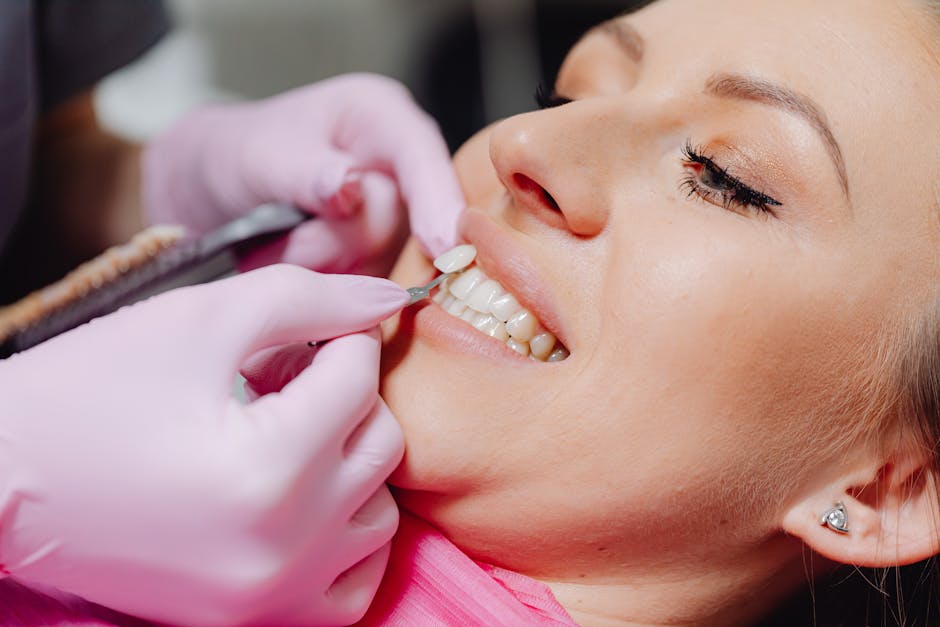
Veneers are thin coverings placed over the front surface of teeth to improve appearance. They are commonly used to address cosmetic concerns such as chipped edges, uneven shapes, discolouration, small gaps, and worn enamel.
Unlike crowns, which cover the entire tooth, veneers focus mainly on the visible front portion. Their goal is usually aesthetic rather than structural, although they can help protect mildly damaged teeth in some cases.
Modern veneers are designed to blend naturally with surrounding teeth. Dentists shape and colour-match them carefully so the result looks balanced rather than overly artificial or excessively white.
Teeth are surprisingly strong, but they are not indestructible. Everyday habits such as grinding, chewing hard foods, sports injuries, or even biting fingernails can lead to small fractures over time.
In some cases, chips happen suddenly after trauma or an accident. In others, the damage develops gradually as enamel weakens with age.
The location of the chip also matters. Front teeth tend to create the biggest cosmetic concern because they are immediately visible when talking or smiling. Even small imperfections can become difficult to ignore once a person becomes aware of them.
Veneers are typically considered when the damage is cosmetic rather than severe. Small chips, uneven edges, mild spacing issues, and discolouration are among the most common reasons people explore treatment.
For some patients, veneers become an alternative to repeated composite bonding repairs that may stain or wear down over time. Others choose veneers because they want a more uniform smile appearance overall.
However, veneers are not always the right answer. Patients with major structural damage, untreated decay, gum disease, or significant bite problems may require restorative treatment before cosmetic work is considered.
This is one reason proper assessment matters. A chipped tooth may look like a simple cosmetic issue on the surface while hiding deeper problems underneath.
One of the biggest changes in cosmetic dentistry in recent years has been the move toward more conservative treatment options.
Traditional veneers usually require some enamel removal so the veneer can sit flush against the tooth without appearing bulky. While effective, this process permanently alters the tooth structure.
No-preparation veneers are designed differently. These ultra-thin veneers are created to fit over the natural tooth with little or no drilling required in suitable cases. The goal is to preserve as much healthy enamel as possible while still improving appearance.
This approach is becoming more popular among patients who want cosmetic changes without committing to extensive irreversible treatment.
Not every patient is suitable for no-preparation veneers, however. Teeth positioning, bite alignment, and the extent of damage all affect whether this approach will work naturally.
Cosmetic dentistry has become increasingly digital, particularly when it comes to veneers.
Instead of relying solely on traditional moulds and impressions, many practices now use intraoral scanners to create detailed digital models of the teeth. These scans help improve accuracy and reduce the discomfort associated with conventional impressions.
Some veneers are also now produced using 3D printing technology. Digital workflows allow dentists to design restorations more precisely around the patient’s existing teeth, helping improve fit, shape, and overall consistency.
Digital planning can also make it easier for patients to visualise proposed changes before treatment begins.
The exact process depends on the type of veneer being used, but treatment usually begins with a consultation and assessment.
Dentists first evaluate the condition of the teeth, gums, and bite to determine whether veneers are appropriate. Photographs, digital scans, or impressions may also be taken during this stage.
If traditional veneers are being used, a small amount of enamel may be removed before impressions are finalised. Temporary veneers are sometimes fitted while the final restorations are being produced.
For no-preparation veneers, the process is often simpler because less drilling is involved. Once the veneers are ready, they are bonded carefully to the front surface of the teeth using dental adhesive materials.
The dentist then checks the shape, fit, and bite before making any final adjustments.
Veneer costs vary widely depending on the material used, the number of teeth being treated, and the complexity of the case.
Composite veneers are generally more affordable than porcelain veneers, although they may not last as long. Porcelain typically offers greater stain resistance and durability but comes at a higher cost.
Digitally designed and 3D printed veneers can also vary in pricing depending on the technology involved and whether the treatment requires multiple appointments.
It’s important to remember that advertised “starting from” prices do not always reflect the total treatment cost. Consultations, digital scans, aftercare, and additional procedures may influence the final figure.
Patients considering cosmetic treatment should focus not only on price, but also on factors such as tooth preservation, durability, and long-term maintenance.
Traditional veneers are generally considered irreversible because enamel is removed during preparation. Once that tooth structure is altered, veneers or another type of restoration will usually be needed long term.
No-preparation veneers may preserve more natural enamel, but they still require ongoing maintenance and eventual replacement over time.
Most veneers last several years with good care. Longevity depends on oral hygiene, grinding habits, diet, and the materials used.
Even cosmetic dental work requires regular maintenance. Veneers can chip, stain, or loosen if not cared for properly.
One of the biggest misconceptions about veneers is that they solve every dental problem.
They are cosmetic restorations, not replacements for healthy teeth or functional treatment. Veneers cannot correct severe bite problems, advanced tooth decay, or major structural damage on their own.
Patients with missing teeth, heavy grinding, gum disease, or extensive wear may need alternative or additional treatment.
This is why ethical treatment planning matters. Good cosmetic dentistry should improve appearance while still prioritising long-term oral health.
For the right patient, veneers can make a significant cosmetic difference. Small chips, uneven edges, and discolouration often become far less noticeable after treatment.
The key is understanding expectations realistically. Veneers are not about creating “perfect” teeth. The most successful results usually look natural enough that other people notice the smile looks refreshed without immediately identifying why.
Many modern cosmetic dentists now place greater emphasis on conservative treatment planning, particularly for patients seeking subtle improvements rather than dramatic changes. The experts at Nottingham-based Arnold Dental & Implant Centre are using digitally planned no preparation 3D printed veneers as part of this more minimally invasive approach to cosmetic dentistry.
Patients considering veneers should think carefully about the long-term commitment, maintenance, and whether a minimally invasive option may be more appropriate for their goals.
Chipped teeth are common, but the treatment options available today are far more advanced than many people realise. From traditional porcelain veneers to digitally designed no-preparation restorations, cosmetic dentistry now offers several ways to improve smile appearance while preserving more natural tooth structure than older methods allowed.
Understanding the differences between veneer types, treatment stages, and long-term maintenance helps patients make more informed decisions before committing to cosmetic work.
As digital scanning and 3D printing continue to evolve, minimally invasive approaches are becoming an increasingly important part of modern cosmetic dentistry—particularly for patients seeking subtle improvements rather than dramatic transformations.


