Most San Diego homeowners don’t realize that using square footage alone to size their ductless mini split could cost them hundreds annually in wasted energy. Local HVAC technicians explain why coastal humidity and inland temperature swings require a completely different approach.
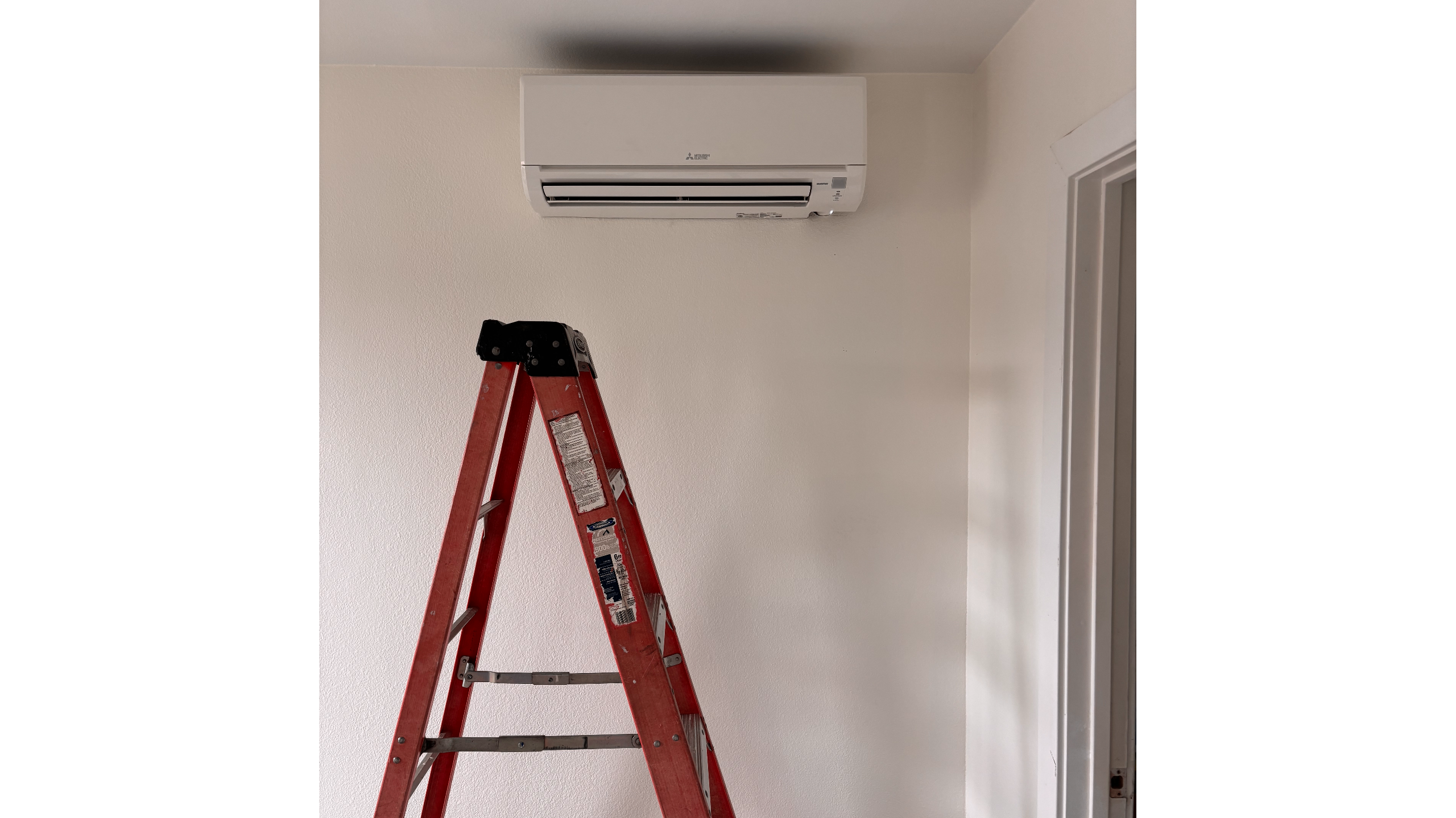
New findings from Coherent Market Insights suggest that North American homeowners are embracing ductless mini split systems en masse - and that such trends will only continue over the next decade. There's a reason for that, experts say: choosing the right type and size can bring occupants years of efficient comfort. The wrong type and size, however, can lead to ongoing energy waste and temperature control issues. The difference between professional sizing methods and DIY calculations, then, potentially means hundreds of dollars in annual utility costs and premature equipment replacement.
The Air Conditioning Contractors of America (ACCA) Manual J represents the industry gold standard for calculating residential heating and cooling loads. This detailed methodology analyzes a home's specific characteristics to determine precise BTU requirements, moving far beyond the oversimplified "square footage times 20 BTU" rule that many homeowners attempt.
Manual J calculations examine finished square footage, insulation values, building orientation, air infiltration rates, total window area, and ceiling height variations. These detailed measurements create an accurate picture of how much heating and cooling capacity each space actually needs. Most technicians use Manual J calculations to ensure every ductless mini split installation delivers optimal performance and energy efficiency.
Professional load calculations prevent the costly mistakes that occur when systems are sized using generic formulas or online calculators. These precise measurements account for variables that significantly impact comfort and efficiency, creating customized solutions rather than one-size-fits-all approaches.
Accurate mini split sizing requires analyzing multiple interconnected variables that affect heating and cooling loads. Professional technicians evaluate these factors systematically to determine the optimal BTU capacity for each installation.
Insulation quality directly affects BTU requirements, with well-insulated homes retaining conditioned air more efficiently. Technicians assess wall insulation R-values, attic insulation depth, and building envelope tightness to determine how effectively the structure maintains temperature. Older homes often have minimal insulation, requiring higher capacity systems, while newer construction with proper insulation needs significantly less cooling and heating capacity.
Windows create major heat gain and loss, requiring careful analysis of total glass area, orientation, and shading conditions. In San Diego and elsewhere in Southern California, for instance, south and west-facing windows receive intense afternoon sun, adding substantial cooling loads. Professional calculations include specific adjustments: shading can reduce heat gain by 40-60%, while west-facing windows can add 30-40% more load than north-facing windows according to ACCA Manual J guidelines.
Room volume calculations extend beyond floor area to include ceiling height variations and architectural features. Vaulted ceilings, open floor plans, and multi-story spaces affect air circulation patterns and stratification. Technicians measure actual room volumes and account for how air moves through connected spaces when sizing multi-zone systems.
Internal heat sources significantly impact cooling requirements, particularly in kitchens and frequently occupied spaces. Professional sizing typically adds around 1,200 BTUh for whole-house lighting and appliance loads in kitchens and 100-250 BTU per hour per person for occupancy loads, following ACCA Manual J recommendations. Appliances, lighting, electronics, and human activity all contribute heat that must be removed by the cooling system.
Regional climate characteristics influence BTU requirements beyond basic temperature ranges. High humidity in San Diego's coastal areas can increase HVAC operating costs by 15-20% due to increased dehumidification efforts, and Manual J accounts for these latent loads. Technicians from the local area say that San Diego's Mediterranean climate also creates unique challenges with marine layer effects, seasonal Santa Ana winds, and temperature variations between coastal and inland areas. These need to be considered.
Multi-zone ductless systems benefit from room-by-room load calculations rather than whole-house block estimates. This approach accounts for different usage patterns, solar exposure, and comfort preferences in each space. Individual room calculations enable precise indoor unit sizing and optimal system performance across all zones.
Homeowner attempts at mini split sizing frequently result in improperly sized systems that create ongoing comfort and efficiency problems. Simple online calculators and square footage multipliers ignore critical variables that professional technicians evaluate.
Oversized mini split units reach target temperatures quickly, then cycle off before removing humidity or achieving even temperature distribution. This short-cycling reduces energy efficiency, increases wear on compressor components, and fails to provide consistent comfort. The system may cool spaces rapidly but leave humidity levels uncomfortably high.
Undersized systems struggle to reach desired temperatures, running constantly without achieving comfort goals. Continuous operation increases energy bills, accelerates equipment wear, and often fails to maintain comfortable conditions during peak demand periods. These systems work hardest when outdoor temperatures are highest, creating the greatest discomfort when cooling is most needed.
San Diego's diverse microclimates create distinct HVAC sizing requirements that vary significantly across the region. Professional technicians must therefore account for these local conditions when selecting appropriate mini split capacities.
Oceanside locations benefit from marine layer cooling effects but experience higher humidity levels that affect comfort and sizing requirements. Inland areas face more dramatic temperature swings, faster heat buildup during the day, and different ventilation patterns. These variations require adjusted BTU calculations based on specific property locations within San Diego County.
Coastal humidity levels influence both cooling capacity needs and dehumidification requirements. Higher humidity areas may need systems with improved moisture removal capabilities, while inland desert-influenced zones focus primarily on sensible cooling. Professional sizing accounts for these humidity variations to ensure year-round comfort.
Accurate sizing represents only one element of successful mini split system performance. Professional installation quality affects long-term efficiency, quiet operation, and system longevity through proper placement, secure mounting, correct line set installation, and precise electrical connections.
Experienced technicians understand how local climate conditions, building codes, and utility programs influence installation best practices. They ensure systems operate at peak efficiency while qualifying for available rebates and incentives that offset installation costs.
Professional mini split sizing requires extensive training, specialized tools, and local climate knowledge that ensures optimal system performance. Certified technicians provide Manual J load calculations, precise BTU determinations, and expert installation services that maximize energy efficiency and comfort.
Proper sizing creates systems that operate efficiently for years, maintain consistent comfort, and deliver the energy savings that make ductless mini splits so appealing to homeowners all over North America - and most areas demand professional installations by technicians familiar with the local climate. Eventually, though, experts are confident that the investment in proper sizing and setup will pay dividends through lower utility bills, fewer repairs, and improved home comfort.


