Getting to recovery meetings just got easier – but choosing between video calls, chat rooms, and phone meetings can make all the difference in your healing journey. Here’s what you need to know about finding the right virtual support system that actually works.
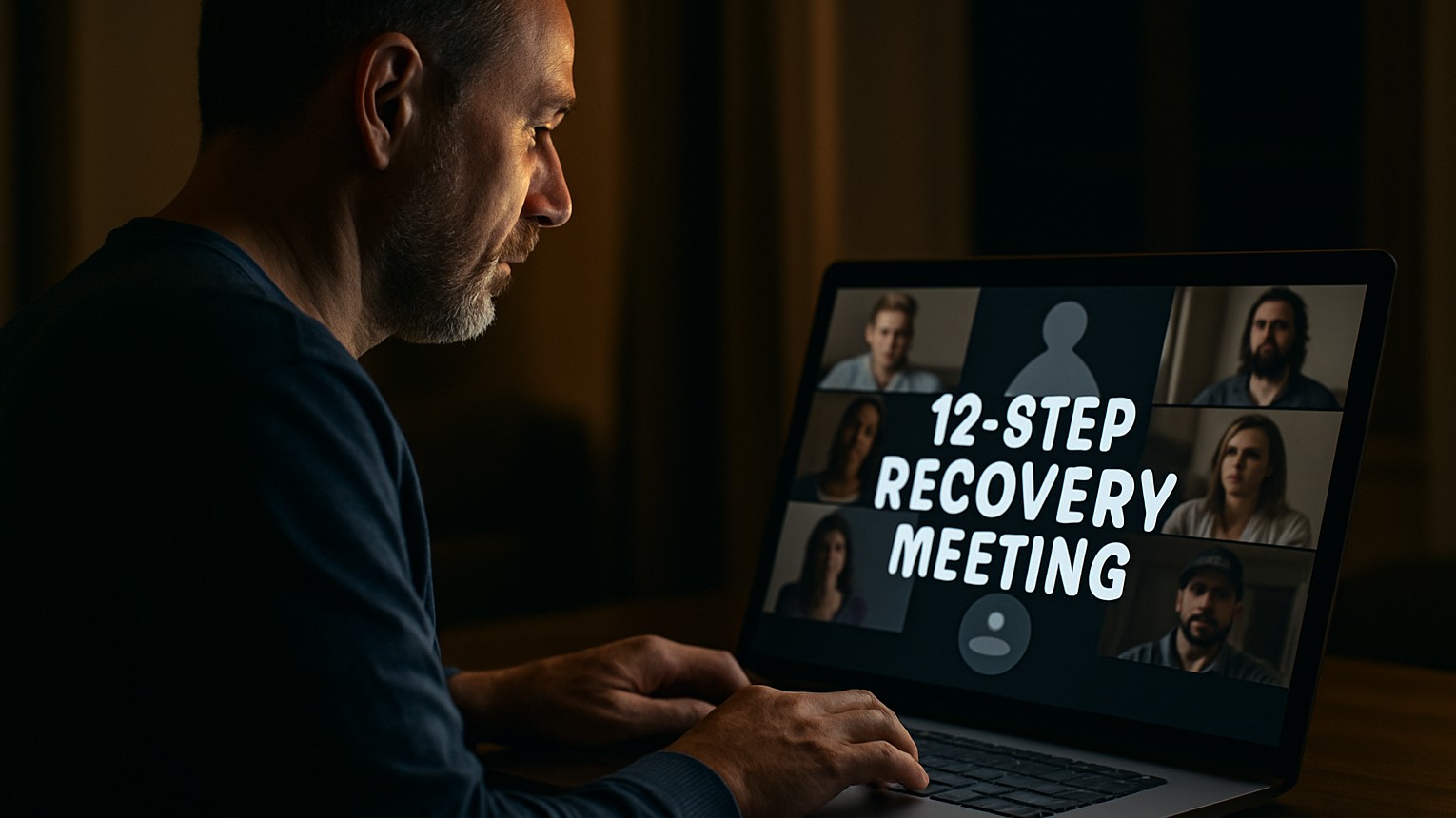
The digital revolution has transformed addiction recovery, breaking down traditional barriers that once prevented millions from accessing life-saving support. Whether dealing with geographical isolation, mobility challenges, work schedules, or social anxiety, online 12-step meetings now bring the same proven peer support structure directly to your home computer or smartphone.
Addiction thrives in isolation, but virtual recovery meetings are powerful medicine against this disease. The shift to online platforms represents more than convenience—it's a lifeline that has fundamentally changed how people access support during their most vulnerable moments.
Research indicates that participants in 12-step programs show significantly improved abstinence rates following treatment. Now these evidence-based peer support groups are available with just an internet connection. Studies have found that many participants found virtual meetings at least as effective as face-to-face meetings in promoting abstinence, while many reported attending more virtual meetings during COVID-19 than they had attended in-person meetings before the pandemic.
The transformation goes beyond accessibility. Virtual meetings provide 24/7 availability, offering support precisely when cravings hit hardest—at 3 AM when traditional meetings aren't available. Online platforms broaden community by connecting individuals globally, reinforcing that no one faces addiction alone. One Drug Rehab's guide to online 12-step meetings details how these digital communities maintain the same spiritual principles while offering unprecedented flexibility.
Many find online formats less intimidating than walking into a church basement filled with strangers. The ability to participate with cameras off, use aliases, or simply listen without pressure to share allows newcomers to ease into participation at their own pace. This reduced social pressure often leads to deeper engagement over time.
Online recovery meetings come in multiple formats, each offering unique advantages for different personalities, schedules, and comfort levels. Understanding these options helps identify the best fit for individual recovery needs.
Video conferencing platforms like Zoom and Google Meet recreate the traditional meeting room experience through screens. Participants can see facial expressions, body language, and experience the communal feeling that many find essential for connection. These meetings often include breakout rooms for smaller group discussions and virtual coffee fellowship time before and after formal sessions.
Video meetings work particularly well for those who draw energy from visual connection and benefit from seeing others' reactions during shares. The format allows for real-time interaction, including the raising of hands for sharing time and visible support through nodding and encouraging expressions.
Text-based chat rooms provide real-time written conversation with maximum anonymity. Platforms like StepChat host continuous chat rooms where members can drop in anytime for immediate support. This format appeals to those who process thoughts better through writing or prefer complete privacy.
Chat rooms often move faster than traditional meetings, with multiple conversations happening simultaneously. Moderators help maintain focus on recovery topics while ensuring newcomers feel welcomed. Many find the written format allows for more thoughtful responses and reduces the pressure of public speaking.
Email meetings operate like slow-motion group discussions where members share daily reflections, step work, and support through private email lists. Participants receive all group emails and can respond when convenient, making this format ideal for busy schedules or different time zones.
These groups often focus on specific topics like step study or literature discussion. The asynchronous nature allows for deep reflection on shares and more considered responses. Email groups particularly benefit those who prefer processing information privately before contributing to group discussion.
Telephone meetings require no internet connection—just a phone and conference call number. This format strips away all visual distractions, focusing purely on voice connection and shared experience. Phone meetings prove invaluable for those with limited technology access or unreliable internet.
The audio-only format often creates intimate conversation where members focus intently on listening. Many find phone meetings particularly powerful for sponsor-sponsee relationships and small group discussions. The simplicity removes technical barriers while maintaining the essential human connection.
Each fellowship maintains its own online presence with specialized platforms and meeting directories. Knowing where to look saves time and connects people with communities that understand their specific addiction and recovery needs.
The Online Intergroup of Alcoholics Anonymous serves as a central hub for virtual AA meetings worldwide. This directory lists meetings in video, chat, phone, and email formats across all time zones. AA Online provides text-based chat rooms with continuous availability, while the e-AA Group hosts email meetings for those preferring slower-paced written discussion.
Regional AA websites also maintain their own virtual meeting lists, often featuring local groups that have added online options. These hybrid approaches allow members to maintain connection with their home groups while accessing broader online community support.
Virtual NA operates as a global hub for online Narcotics Anonymous meetings, offering daily sessions across all time zones with various format options. Regional sites like CTNA.org supplement the main directory with additional virtual meeting listings specific to geographic areas.
Crystal Meth Anonymous maintains an online meeting directory searchable by format and time, while other drug-specific fellowships like Marijuana Anonymous and Cocaine Anonymous have developed their own virtual communities. These specialized groups address the unique challenges of specific substances while maintaining 12-step principles.
Al-Anon Family Groups provides extensive online meeting options for those affected by someone else's drinking, recognizing that addiction impacts entire family systems. Adult Children of Alcoholics (ACA) and Codependents Anonymous (CODA) also maintain active virtual communities addressing the complex trauma often accompanying addiction in families.
Specialized communities exist for specific demographics, including LGBTQ+ meetings, women-only groups, young people's meetings, and profession-specific groups for healthcare workers, first responders, and others facing unique challenges. Platforms like In The Rooms and Miracles In Progress host meetings for dozens of different fellowships under single umbrella sites.
Anonymity forms the spiritual foundation of 12-step programs, and maintaining privacy in digital spaces requires understanding both personal controls and group security measures. Virtual platforms offer unprecedented anonymity options while legitimate groups implement strict confidentiality protocols.
Personal privacy controls put anonymity directly in participant hands. Using an alias or first name only protects identity, while turning off video allows audio-only participation. Virtual backgrounds or background blur hide home surroundings, and muting when not sharing prevents accidental audio exposure.
Many platforms allow joining with phone numbers instead of email addresses, further protecting identity. Private messaging features enable one-on-one connection without revealing personal contact information. These tools let newcomers control their comfort level while gradually building trust within the community.
Legitimate online meetings implement multiple security layers to protect member privacy. Password protection prevents random intrusions, while waiting rooms allow hosts to admit only appropriate participants. Meeting IDs often rotate regularly to prevent unauthorized access.
Groups establish strict guidelines through group conscience decisions, typically prohibiting recording, screenshots, or discussing member shares outside meetings. Hosts actively moderate sessions, removing disruptive participants and maintaining safe spaces for vulnerability. These protocols create digital sanctuaries where personal sharing remains protected.
Online meeting attendance can satisfy legal requirements, but success requires advance planning and clear communication with legal authorities. Many platforms now offer digital verification systems, though court acceptance varies significantly by jurisdiction.
Before relying on virtual meetings for legal compliance, contact court officers or licensing boards to confirm they accept online attendance and understand specific documentation requirements. Some require particular verification formats, host signatures, or detailed attendance records.
Platforms like 12 Step Online validate state IDs and verify meeting attendance to provide court-accepted proof. These services typically require identity verification through government-issued identification and track actual meeting participation rather than simple login times. Some online groups also provide attendance verification through their own systems, though this varies by group policy.
The key lies in proactive communication with legal authorities and selecting meetings that explicitly advertise attendance confirmation services. This ensures recovery commitment satisfies external obligations while maintaining program integrity.
While 12-step programs help millions achieve lasting recovery, they don't resonate with everyone. The spiritual emphasis, powerlessness concept, or group dynamics may not align with individual beliefs or recovery styles. Fortunately, multiple alternative approaches offer different philosophies while maintaining peer support benefits.
SMART Recovery employs science-based tools for self-empowerment rather than spiritual surrender. The program uses cognitive-behavioral therapy techniques and motivational enhancement methods to help participants develop coping strategies for managing cravings and emotions. Meetings focus on practical skill-building rather than sharing personal stories.
Online SMART meetings emphasize personal responsibility and self-management tools. Participants learn the SMART Recovery 4-Point Program: building motivation, coping with urges, managing thoughts and behaviors, and living a balanced life. The secular approach appeals to those preferring evidence-based methods over spiritual frameworks.
LifeRing Secular Recovery operates on the principle that each individual holds the key to recovery without spiritual intervention, while also providing peer support and fundamental principles. Their motto "Personal Sobriety Works" emphasizes individual strength and practical solutions. Online LifeRing meetings focus on what works for each person rather than prescribed steps.
SOS (Secular Organizations for Sobriety) offers another self-empowerment framework emphasizing personal responsibility for recovery. Women for Sobriety specifically addresses women's unique treatment needs, promoting emotional and spiritual growth through positive self-regard rather than admitting powerlessness.
These alternatives maintain the peer support benefits of group meetings while offering different philosophical approaches. Many people combine multiple programs, taking useful elements from each to create personalized recovery plans.
The path to recovery begins with a single step, and that step can happen from the comfort and privacy of home. Online meetings eliminate traditional barriers while providing the same proven peer support that has guided millions toward lasting sobriety.
Whether choosing traditional 12-step programs or alternative approaches, the most important decision is simply to start. Virtual meetings offer immediate access to communities of people who understand the struggles of addiction and the hope of recovery. With 24/7 availability, global community connections, and enhanced privacy options, online recovery support adapts to individual needs and circumstances.
The digital age has democratized access to recovery resources, ensuring that location, schedule, or social anxiety never prevents someone from finding help. Technology has become a bridge to healing, connecting isolated individuals with communities of support and hope.
For information on all types of addiction treatment options and how to access them, visit One Drug Rehab, your trusted resource for finding the path to recovery.


