Feeling extra flexible during pregnancy might seem like a yoga win — but that’s actually the hormone relaxin making your joints vulnerable to injury. Before you flow through your next vinyasa, there are critical modifications every trimester demands to keep both you and baby safe.
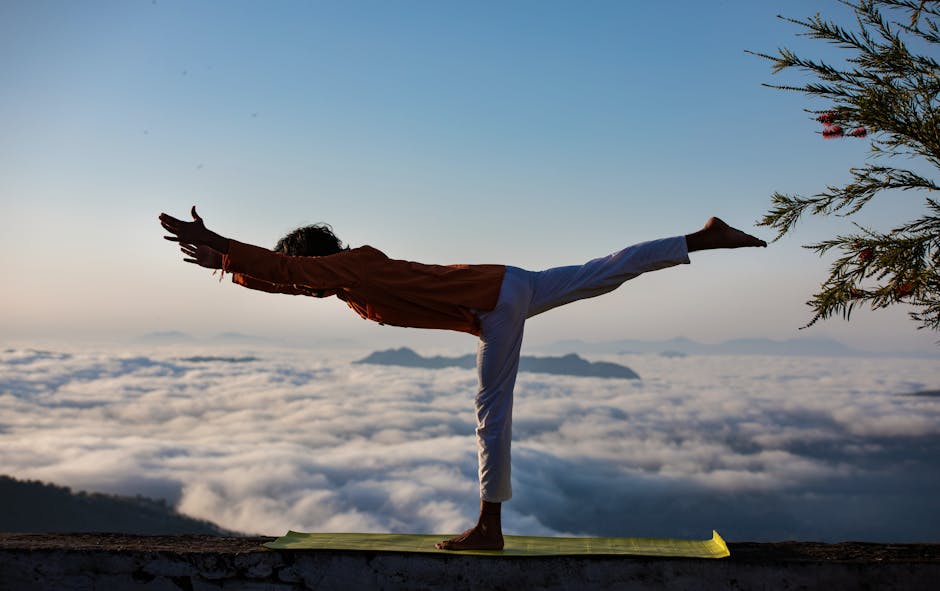
Yoga and pregnancy can be a genuinely powerful combination — but not without a few important ground rules. The physical and hormonal changes happening throughout pregnancy mean that the same practice that felt great before conception can become risky without careful adjustments. What follows is a practical, trimester-aware guide to practicing yoga safely, drawing on established prenatal guidelines and insights from ASY studio, which states it works closely with students to adapt movement practices for every stage of pregnancy.
Prenatal yoga is a multifaceted practice that combines gentle stretching, mental centering, and focused breathing — and research consistently supports its safety and benefit for both pregnant individuals and their babies. It can ease common discomforts, improve sleep, reduce anxiety, and even help prepare the body for labor.
The key word, though, is modifications. A general yoga class designed for non-pregnant practitioners includes poses, sequences, and intensities that can place undue stress on a changing body. Prenatal yoga isn't a watered-down version of "real" yoga — it's a thoughtfully adapted practice that meets the body exactly where it is. That distinction matters enormously.
Before stepping onto the mat — or continuing a pre-existing practice — a conversation with a healthcare provider is necessary. This isn't a formality. For individuals with risk factors such as a history of preterm labor, placenta previa, certain cardiovascular conditions, or pregnancy-induced hypertension, specific types of movement may be contraindicated or require additional restrictions.
A provider can also help clarify whether a general prenatal yoga class is appropriate or whether a more specialized program is the better fit. Once cleared, the next step is understanding what pregnancy is actually doing to the body — because the adaptations required on the mat stem directly from those physiological changes.
Pregnancy isn't just a change in appearance. It triggers significant hormonal and structural shifts that affect how the body moves, balances, and tolerates stress. Two of the most important changes to understand before modifying a yoga practice are the effects of relaxin and a shifting center of gravity.
During pregnancy, the body produces a hormone called relaxin. Its job is to soften the ligaments and joints — particularly in the pelvis — to prepare for childbirth. A welcome effect in the delivery room, but a double-edged sword on the yoga mat.
The increased joint laxity can make it feel like flexibility has dramatically improved. Poses that previously required effort may suddenly feel effortless. That sensation is a warning sign, not a green light. Pushing into that range of motion risks overstretching ligaments that are already under strain, leading to joint instability or injury that can linger well past delivery. The guideline is consistent across prenatal yoga experts: stay well within a comfortable range, and back off before the edge.
As the belly grows, the body's center of gravity moves forward and downward. This affects balance in standing poses, transitions between postures, and even something as simple as stepping off a block. Poses that were perfectly stable at week eight can feel precarious at week twenty-eight.
This shift also increases the load on the lower back and hips, which is why many of the most common pregnancy discomforts — including lower back pain and pelvic pressure — tend to intensify during the second and third trimesters. Recognizing this shift is the first step toward building a practice that supports the body rather than stresses it.
Not every yoga pose translates safely into pregnancy. Some create mechanical pressure on the uterus, others compromise circulation, and a few raise core body temperature to unsafe levels. Here's what to take off the menu.
After approximately 16 to 20 weeks, lying flat on the back for extended periods is no longer recommended. The weight of the growing uterus can compress the vena cava — the major vein responsible for returning blood to the heart — reducing blood flow to both the heart and the baby. This can cause dizziness, nausea, and in some cases, a drop in fetal oxygen supply.
Savasana and other supine poses can be safely adapted using a bolster or folded blankets to elevate the upper body at a 30- to 45-degree angle, keeping circulation unimpeded while still allowing for rest and restoration.
Closed twists — where the torso rotates toward a bent knee or the belly compresses inward — place direct pressure on the uterus and should be avoided throughout pregnancy. This includes poses like a full seated spinal twist (Marichyasana) or revolved triangle.
The good news: twisting doesn't have to disappear entirely. Open twists, which rotate the spine while keeping the belly free — such as a gentle seated twist that opens toward the back of the room rather than compressing forward — can be performed safely and still offer the spinal mobility benefits the body craves.
Deep backbends like full wheel (Urdhva Dhanurasana) or unsupported camel (Ustrasana) place significant demand on the abdominal muscles and lower back — areas already under strain from the growing belly. They can also overstretch the abdominal wall in ways that worsen diastasis recti, the separation of the abdominal muscles that commonly occurs during pregnancy.
Gentle, supported backbends — like a supported fish pose over a bolster or a low cobra with softened elbows — offer spinal extension without the risk.
Hot yoga environments and rapid heat-generating breathwork techniques like bhastrika (bellows breath) or kumbhaka (breath retention) are off the table during pregnancy. Pregnancy already increases metabolic rate and blood flow, raising the body's baseline temperature. Adding external or forced internal heat on top of that can cause overheating — a condition linked to neural tube defects in early pregnancy and fetal distress at later stages.
A well-ventilated, room-temperature environment and slow, controlled breathing are the appropriate baseline for any prenatal practice.
The goal of prenatal modifications isn't to shrink the practice — it's to make it work for the body as it changes. With the right tools and trimester awareness, a full and satisfying yoga practice remains very much within reach.
Props are not beginner equipment. In prenatal yoga, they're necessary tools for every level of practitioner. As the center of gravity shifts and the belly makes certain positions physically impractical, props restore access to poses that would otherwise be uncomfortable or unsafe.
The philosophy is simple: use whatever support allows the pose to be held comfortably without forcing or gripping. Ease and steadiness are the markers of a well-modified pose.
Different stages of pregnancy call for different focuses. Here's a general trimester-by-trimester breakdown:
First Trimester (Weeks 1-12): Fatigue and nausea are common, so the emphasis is on gentle movement and not overheating. Most poses are still accessible, but intensity should be dialed back. Cat-Cow stretches, gentle seated forward folds, and restorative poses work well. Avoid starting any intense new practices during this stage.
Second Trimester (Weeks 13-26): Energy often returns, making this the most comfortable window for active practice. Standing poses like Warrior II build lower body strength and stability. Hip openers like Baddha Konasana (Bound Angle Pose) help create space in the pelvis. Begin modifying supine poses with bolster support.
Third Trimester (Weeks 27-40): The focus shifts toward comfort, breath, and preparation for labor. Supported poses dominate. Gentle hip circles, seated cat-cow on a chair, and wall-supported squats (Malasana variation) help maintain mobility without placing undue stress on the joints or belly. Listen to the body more than ever — some days call for restorative practice only.
Breath is the foundation of yoga — and in prenatal practice, it becomes one of the most practical tools available. Slow, deep, meditative breathing (pranayama) serves multiple functions during pregnancy: it calms the nervous system, manages the shortness of breath that often accompanies the third trimester as the uterus presses against the diaphragm, and directly prepares the body for labor.
Ujjayi breath — a slow, oceanic breath through the nose with a slight constriction at the back of the throat — is one of the most commonly recommended techniques for prenatal practice. It encourages focus, slows the heart rate, and creates a rhythm that many find invaluable during contractions.
Diaphragmatic breathing, or belly breathing, keeps the breath deep and expansive rather than shallow and chest-driven. Practicing this regularly can help reduce the perception of pain during labor by keeping the nervous system grounded rather than reactive.
The breathwork to avoid — as covered earlier — is anything that generates intense internal heat or involves prolonged breath retention. Keeping the breath slow, steady, and never strained is the consistent principle throughout pregnancy.
One of the most impactful — and most overlooked — steps in practicing yoga safely during pregnancy is simply informing the instructor. A qualified teacher who knows a student is pregnant can offer real-time modifications, keep an eye on alignment risks, and adjust sequencing so the class serves rather than stresses.
Ideally, look for instructors with a specific prenatal yoga certification or significant experience working with pregnant students. These instructors understand not just which poses to modify, but why — and they're equipped to adapt on the spot if something doesn't feel right.
If attending a general yoga class, arriving a few minutes early to speak privately with the instructor makes a meaningful difference. Most experienced teachers will welcome the heads-up and have go-to modifications ready. Never assume the class will naturally accommodate a pregnancy — always ask.
Discomfort is a signal to modify or stop, not push through. Pain, dizziness, shortness of breath beyond what's typical, or any unusual sensation should prompt an immediate rest and, if persistent, a call to a healthcare provider.
Practiced thoughtfully, prenatal yoga doesn't just keep the body safe — it actively improves quality of life during pregnancy. The research-backed benefits are wide-ranging and clinically meaningful:
These aren't small quality-of-life perks. For many pregnant individuals, the difference between a consistent modified practice and no practice at all shows up in how they feel week to week — and how prepared they feel walking into labor. The modifications aren't limitations. They're what make the benefits possible.
For guidance on safe, adapted movement practices throughout pregnancy, ASY studio highlights its expert-led classes and personalized instruction built around this kind of thoughtful, body-aware approach.


