Choosing between Yamaha and Casio digital keyboards isn’t just about brand preference—it’s about two completely different engineering philosophies that could make or break your piano technique development. Here’s what most players don’t realize about the key action differences.
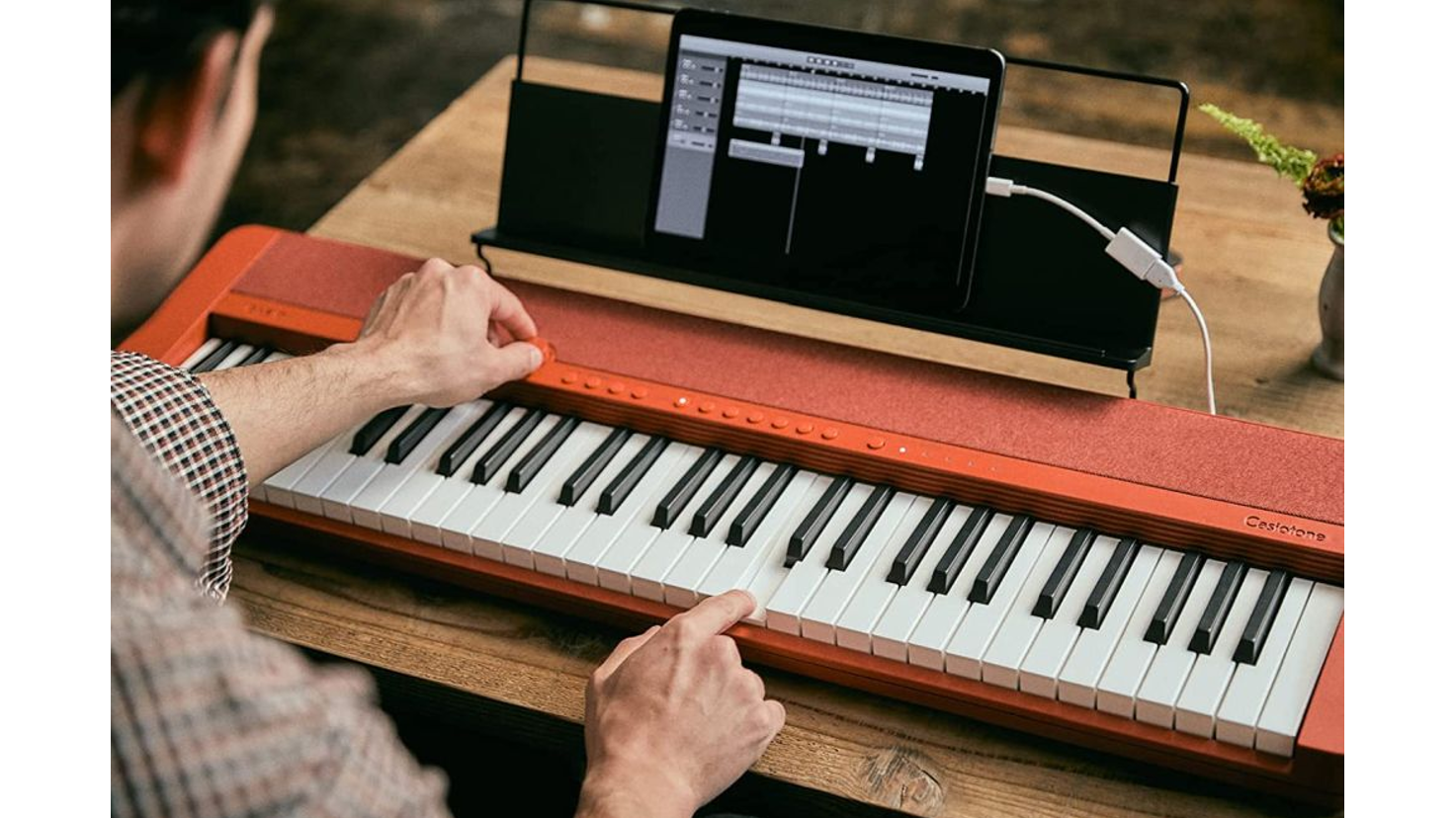
Choosing between Yamaha and Casio digital keyboards represents more than a simple brand preference—it's about understanding how different engineering philosophies translate into your daily playing experience. Both Japanese manufacturers have earned their reputations through decades of innovation, yet they approach piano simulation from distinctly different angles that can significantly impact your musical development.
The foundation of any digital piano lies in its sound engine technology, and this is where Yamaha and Casio reveal their core philosophies. Yamaha's CFX Sound Engine captures samples from their flagship CFX 9-foot concert grand piano, delivering the authentic tonal characteristics that have graced the world's most prestigious concert halls and recording studios. This approach prioritizes acoustic realism through direct sampling of their renowned instrument.
Casio takes a different path with their AiR (Acoustic and Intelligent Resonator) Sound Source, which employs Multi-Dimensional Morphing technology. Instead of relying solely on static samples, this system dynamically recreates the complex resonance patterns found within acoustic piano chambers. The result is a sound that breathes and evolves naturally as you play, simulating how strings and soundboards interact in real pianos.
The technical differences become apparent in how each system handles note decay and harmonic interaction. that Yamaha's CFX sampling excels in reproducing the precise tonal characteristics of their concert instruments. At the same time, Casio's morphing approach creates a more adaptive sound environment that responds to playing dynamics.
The feel of piano keys under your fingers directly impacts your musical expression and technique development. Both manufacturers have developed sophisticated hammer action systems that simulate acoustic piano mechanics, but their approaches differ in meaningful ways that affect daily practice sessions.
Yamaha's Graded Hammer Standard (GHS) action appears primarily in their portable P-Series pianos and provides an excellent foundation for beginners transitioning from acoustic instruments. The dual-sensor configuration captures key press dynamics while maintaining the graduated weight distribution that makes bass notes feel heavier than treble keys.
The more advanced Graded Hammer 3 (GH3) action, found in Yamaha's ARIUS series, incorporates a three-sensor system that delivers enhanced responsiveness. This action system produces a slightly lighter touch compared to Casio's offerings, making it suitable for players who prefer less resistance during extended practice sessions. The engineering reflects Yamaha's acoustic piano heritage, translating decades of traditional piano knowledge into digital form.
Casio's Tri-Sensor Scaled Hammer Action eliminates springs, relying on hammer mechanisms that mirror those found in grand pianos. This spring-free design creates a more authentic weight distribution and enables superior rapid-fire note repetition—a crucial advantage for advanced classical pieces that demand quick repeated notes.
The three-sensor configuration tracks key movement from initial press through complete release, providing nuanced control over attack and release characteristics. Players often notice that Casio's system requires slightly more finger strength compared to Yamaha's GH3, but this translates into better preparation for acoustic piano playing.
One immediately noticeable difference lies in the key surface treatment. Casio consistently applies textured surfaces to both white and black keys across their digital piano range, simulating the natural ivory and ebony feel of premium acoustic pianos. This texture provides enhanced grip during intense playing sessions and reduces finger slippage.
Yamaha typically reserves textured surfaces for black keys only, leaving white keys with a smooth finish. While this approach reduces manufacturing costs, some players find that the smooth white keys become slippery during extended practice, particularly in humid conditions or when hands perspire.
Comparing the Yamaha YDP-144 and Casio PX-870 reveals how different engineering priorities manifest in real-world performance. These instruments represent each brand's approach to mid-range console digital pianos, making them ideal benchmarks for understanding broader brand characteristics.
The Yamaha YDP-144 utilizes CFX sampling technology to reproduce the nuanced characteristics of Yamaha's flagship CFX concert grand piano. This approach focuses on capturing the specific tonal qualities and harmonic complexities that define Yamaha's acoustic instruments, creating an authentic reproduction of their concert hall sound.
In contrast, the Casio PX-870 employs a more balanced equalization approach with subtle bass and treble enhancements. The AiR sound engine creates a frequency response that accommodates various musical styles without favoring particular ranges. This approach makes the PX-870 more versatile for players exploring different genres.
Both instruments deliver excellent sound quality, but the choice often comes down to personal tonal preferences and intended musical applications. Classical players might gravitate toward Yamaha's authentic reproduction, while contemporary musicians may prefer Casio's balanced approach.
The Casio PX-870's 256-note polyphony capacity exceeds the Yamaha YDP-144's 192 notes. While both specifications are sufficient for most playing scenarios, the additional polyphony can be beneficial when layering multiple voices, using the sustain pedal extensively, or recording multi-track compositions, though this advantage may not be significant for many players.
Higher polyphony counts also affect how notes decay naturally. When you reach polyphony limits, older notes cut off abruptly to make room for new ones. The PX-870's additional capacity means notes can ring out more naturally, particularly during pieces with complex harmonies or when using reverb effects that extend note duration.
The speaker configuration differs between these models. The PX-870's four speakers with 20W×2 amplification provide more powerful sound projection compared to the YDP-144's two speakers with 8W×2 output. However, the Yamaha YDP-144 utilizes Intelligent Acoustic Control (IAC) and Stereophonic Optimizer to provide balanced and natural sound, especially at lower volumes or when using headphones. The Casio's speaker placement allows sound to emanate from both top and bottom surfaces, creating a more immersive acoustic environment.
Budget-conscious beginners often find themselves choosing between the Yamaha P45 and Casio CDP-S160, two instruments that represent each brand's commitment to making quality digital pianos accessible to everyone. Despite similar pricing, these models showcase different philosophies about what matters most in entry-level instruments.
The Yamaha P45 employs the brand's Graded Hammer Standard action, which provides a weighted key response that many players find beneficial for developing proper finger technique. The 88-key instrument includes 10 carefully selected voices, with two distinct grand piano tones that showcase Yamaha's Advanced Wave Memory sampling technology.
Voice selection focuses on essential sounds rather than quantity, including two electric pianos, two pipe organs, two harpsichord voices, one vibraphone, and one string ensemble. This curated approach ensures each voice receives proper attention during development, resulting in higher-quality sounds across the limited selection.
The P45's layer function allows combining two voices simultaneously with adjustable volume balance between layers—a feature absent from many entry-level competitors. However, the instrument lacks keyboard split functionality, limiting its versatility for certain playing styles.
The Casio CDP-S160 features Scaled Hammer Action II and a collection of 10 voices that includes a newly enhanced grand piano sound. The voice selection provides tonal variety for players exploring different musical styles or seeking specific sounds for particular pieces.
The CDP-S160 includes multiple electric pianos, jazz organ, pipe organ, harpsichord, and string section. This selection emphasizes contemporary sounds alongside traditional acoustic simulations, making it particularly appealing to players interested in popular music styles.
The CDP-S160's compact design makes it exceptionally portable at just 23.15 pounds compared to the P45's 25.25 pounds. Six AA batteries power the keyboard for outdoor performances, lessons, or practice sessions where AC power is unavailable.
Despite its smaller size, the Casio CDP-S160 delivers more powerful amplification with 8W×2 speakers compared to the Yamaha P45's 6W×2 configuration. The additional power becomes noticeable during group practice sessions or when playing in larger rooms where adequate volume is essential.
Both instruments offer comparable connectivity options with USB MIDI capability, though they differ in headphone jack specifications. The CDP-S160 uses a standard 3.5mm mini jack, while the P45 employs a larger 1/4" connector that's more common on professional audio equipment.
The Casio also includes a single-track recorder for capturing practice sessions or compositional ideas, while the P45 omits this feature entirely. For developing musicians, having built-in recording capabilities can be invaluable for self-assessment and progress tracking.
Understanding the fundamental differences between Yamaha and Casio requires examining their respective corporate DNA and how decades of specialization influence their digital piano development. Yamaha began manufacturing pianos in 1900, after Torakusu Yamaha successfully created a reed organ in 1887. This acoustic heritage includes instruments that grace the world's most prestigious concert halls and recording studios.
This acoustic heritage is reflected in Yamaha's approach to digital piano design, where authenticity and a traditional piano feel take precedence. Their sampling techniques focus on capturing the exact tonal characteristics of their flagship acoustic instruments, while their key actions aim to replicate the mechanical feel of traditional piano mechanisms.
Casio approaches digital piano development from an electronics innovation perspective, building on their expertise in consumer electronics, calculators, and watch movements. This background enables them to implement sophisticated digital signal processing techniques and advanced features at competitive price points.
The result is instruments that often incorporate more advanced features at comparable price points, such as Casio's Multi-Dimensional Morphing technology or their extensive connectivity options. Where Yamaha prioritizes authentic reproduction, Casio emphasizes enhanced functionality and user experience.
The choice between Yamaha and Casio ultimately depends on your specific priorities as a pianist and how you plan to use your digital instrument. Classical musicians and those planning to transition to acoustic pianos often prefer Yamaha's authentic reproduction and traditional key feel, which provides better preparation for acoustic instruments.
Contemporary players, particularly those interested in multiple musical genres, may find Casio's enhanced feature sets and balanced sound profiles more appealing. The additional voices, effects options, and connectivity features common in Casio instruments support diverse musical exploration.
Budget considerations also play a crucial role in the decision. While both brands offer competitive pricing in similar categories, Casio often provides more features for the dollar spent, making it an attractive option for cost-conscious buyers. However, Yamaha's reputation for long-term reliability and consistent sound quality may justify a higher initial investment for serious students.
Ultimately, the best choice requires hands-on testing whenever possible, as personal preferences for key feel and sound character vary significantly among players. Both Yamaha and Casio have earned their positions as industry leaders through decades of innovation and commitment to musical excellence.
For detailed comparisons and expert guidance on choosing between Yamaha and Casio digital keyboards, visit , where music professionals can help you find the perfect instrument for your musical development.


