Diabetes can slow wound healing, but early monitoring, blood sugar control, and home-based professional care improve outcomes, prevent complications, and support recovery.
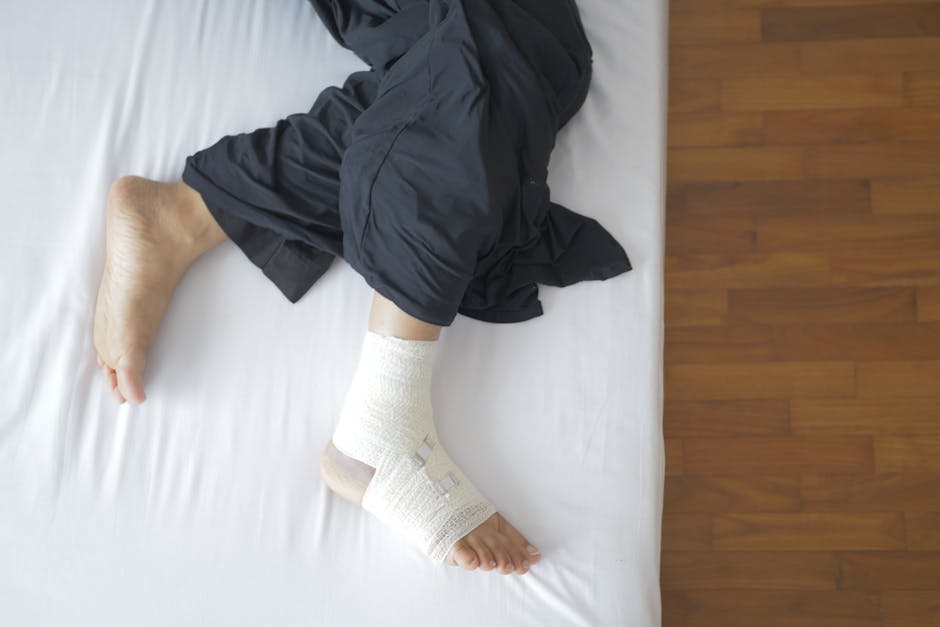
If you live with diabetes, understanding how your body heals and knowing when to seek help can make a significant difference in your health and quality of life.
Research shows that up to 25% of people with diabetes may experience wound healing challenges at some point. The good news is that with proper care and attention, most wound complications can be prevented or effectively managed. If you're interested in understanding more about , such as those offered by Tri State Wound, knowing the science behind diabetic wound healing can help you make informed decisions about your care.
When you have diabetes, your body's wound healing process works a bit differently than it does for others. It's simply something to understand so you can take better care of yourself.
Your body typically heals wounds through 3 stages: inflammation, tissue building, and remodeling. With diabetes, these stages may take longer, particularly the initial inflammatory phase. High blood sugar levels can affect blood flow to wound sites, and if you have neuropathy, you might not feel minor injuries right away.
Research published in explains that diabetic wounds tend to have more prolonged inflammation. Your body's natural healing cells don't transition as quickly from the inflammatory stage to the healing stage, which is why wounds may take longer to heal.
Being aware of how your wounds are healing empowers you to take action early. You'll want to monitor any cuts, scrapes, or sores for signs that they need professional attention.
Keep an eye out for increased redness, swelling, warmth, or any discharge from a wound. If a wound isn't showing signs of improvement within a couple of days, or if you notice any unusual changes, it's worth having a healthcare professional take a look.
Remember, seeking help early is always better than waiting. You're not being overly cautious - you're being smart about your health.
The key factor in successful wound healing is consistent monitoring and blood sugar control. Studies show that when your Hemoglobin A1C levels stay below 7% (as recommended by the American Diabetes Association), you have significantly better wound healing outcomes and fewer infections.
Mobile wound care brings professional expertise directly to your home, removing many of the barriers that might make it difficult for you to get regular care. No more worrying about transportation, long waits in medical offices, or disrupting your daily routine.
This approach allows for more frequent check-ins with healthcare professionals who understand diabetes and wound care. They can monitor your healing progress, adjust treatments as needed, and provide education about proper wound care techniques - all in the comfort of your familiar environment.
Modern wound care offers many effective treatments that can be provided in your home. These include specialized dressings, negative pressure therapy (which uses gentle suction to promote healing), and various growth factor treatments that help your body's natural healing process.
Research supports several approaches that have shown good results for people with diabetes, including platelet-rich plasma therapies and advanced wound dressings designed specifically for slower-healing wounds.
Your overall health significantly impacts how well your wounds heal. Eating well, managing your blood sugar levels, and staying as active as your doctor recommends all contribute to better healing outcomes.
The research emphasizes that your nutritional status plays an important role in wound healing. Making sure you're getting adequate protein and essential nutrients gives your body the building blocks it needs to repair itself effectively.
Having professional wound care specialists who can visit your home means you can get expert care without the stress of travel or long medical appointments. This type of personalized attention allows for better monitoring and often leads to better outcomes.
With the right support and knowledge, you can effectively manage wound care and maintain your quality of life. To learn more about , consider exploring the options available to support your health journey.


