Wood and metal pergolas both promise beautiful backyards, but hidden ownership costs emerge years later through maintenance demands and weather damage. Understanding which material fits your climate, budget, and weekend schedule prevents expensive surprises most homeowners never see coming.
Your pergola material choice affects everything from weekend maintenance schedules to how much you'll spend over the next decade on upkeep and repairs. Wood and metal pergolas both create beautiful outdoor spaces, but they work differently in real life.
Many homeowners pick their pergola based on price tags at the store without thinking about what happens after installation day. Experts in DIY pergola installation methods say that pre-fabricated designs can simplify the building process for weekend projects. Understanding these differences now saves you from expensive surprises and weekend work you never planned for.
People budget for the pergola itself, but forget about everything else that comes with owning one for years. Wood needs a new stain or paint every couple of years, plus treatments to stop bugs and rot from ruining your investment. Metal pergolas just need a quick wash with the hose once in a while, though lightweight aluminum ones need strong anchors to stay put in the wind.
Setting up these structures takes different amounts of work, too, since wood often needs cutting and careful measuring during assembly. Metal pergolas usually come as kits with pieces that snap together using brackets, making the whole process simpler for weekend warriors.
Cedar smells amazing, and bugs hate it, which means you don't need chemicals to keep termites away from your pergola. Pine costs less at first but needs chemical treatments to last, and it starts out looking slightly green before turning golden-brown. Other choices like mahogany and nordic spruce each look different and last different amounts of time in various weather conditions.
Wood that doesn't get treated turns silver-gray after a few years unless you keep staining it to maintain the original color. Each type of wood has its own personality and needs different amounts of care to stay looking good.
Wood pergolas need regular attention to stay strong and beautiful as seasons change and weather takes its toll. Paint chips and peels while the stain fades away, meaning you'll spend weekends every few years making it look new again.
Here's what wood pergola owners actually do:
The spots where posts meet the ground need extra care since water and bugs attack these areas first.
Aluminum never rusts, which makes it perfect if you live near the ocean, where salt air destroys everything else. Steel gives you more strength and doesn't move in the wind, especially when it has special coatings to stop rust. Both metals stay straight and true for decades while wood bends, twists, and sags over the years.
Powder coating lets manufacturers make metal pergolas in any color while protecting them from sun damage and scratches. Some companies even make metal look like wood grain, giving you that classic look without all the maintenance headaches.
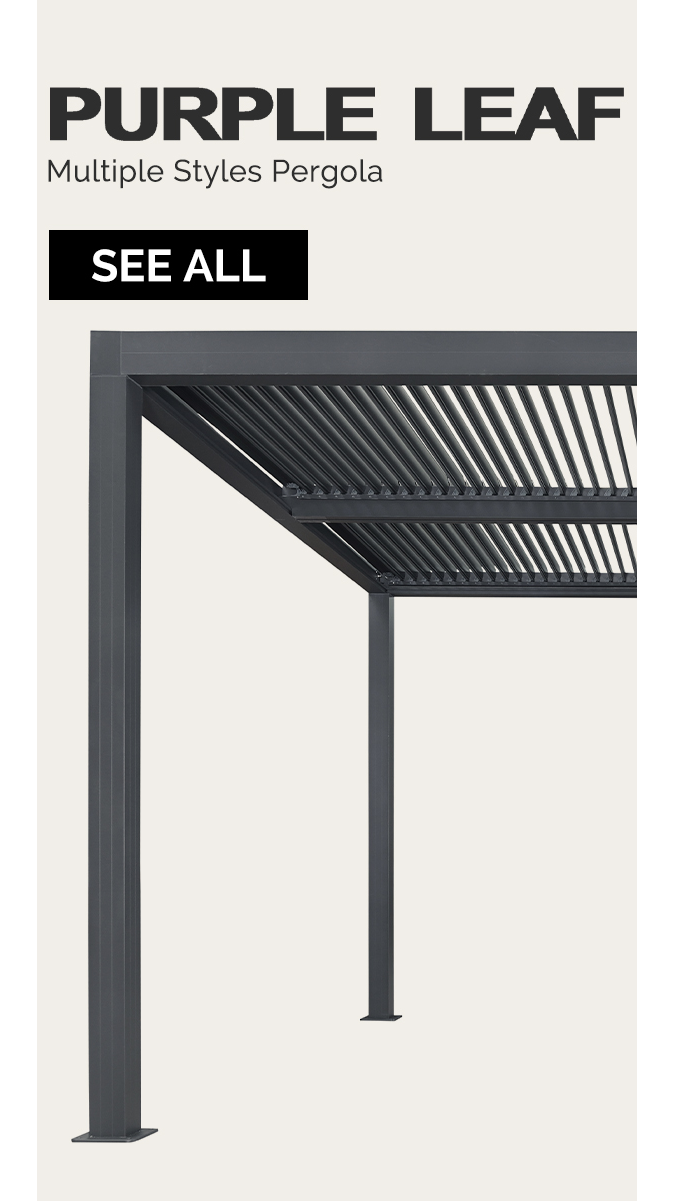
Metal pergolas come as kits with parts that fit together using brackets, making them easier to build yourself over a weekend. Everything lines up because machines cut the pieces perfectly, so you don't need to measure and cut like you do with wood.
Metal pergolas give you these benefits:
Yes, metal costs more at first, but add up ten years of maintenance costs, and metal often wins.
Where you live should guide your choice since different materials handle different climates better than others. Beach houses need aluminum's rust resistance, while places with hot summers and cold winters need metal's stability. Wood struggles with moisture and temperature changes that make it expand and shrink.
Think about whether you want to spend time maintaining your pergola or just enjoying it throughout the year. Wood needs seasonal care while metal stays nice-looking without much help from you.
Wood looks great with traditional homes and natural yards because it has that warm, organic feeling people love. Metal fits modern houses and city backyards better with its clean, simple lines and smooth finish.
Both materials let you customize, but metal gives you more options for adding lights, shades, and other features. Pick what makes your house look better while giving you the outdoor space you actually want to use.
Experts say than which material you pick for making your pergola last. Both wood and metal make great pergolas when you match them to your needs, climate, and maintenance preferences. Good drainage and solid anchoring prevent most problems people face later.


