UK drivers lose 1-2 PSI of tyre pressure for every 10°C temperature drop, but your TPMS warning won’t activate until it’s dangerously low. Here’s why waiting for that dashboard light could put you at serious risk.
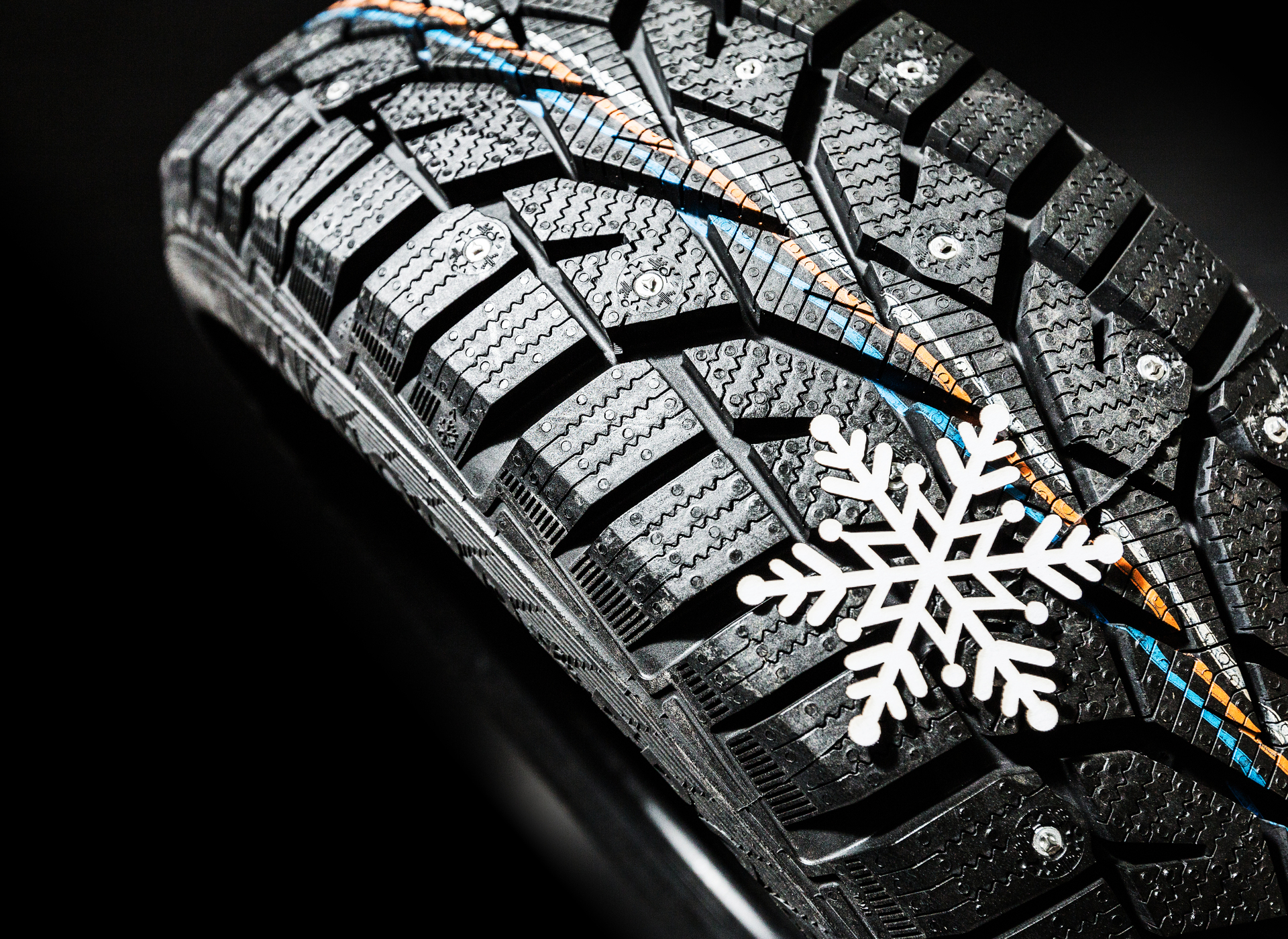
Temperature fluctuations present one of the most significant challenges for UK drivers hoping to maintain proper tyre pressure throughout the year. Understanding how seasonal changes affect your tyres can make all the difference between safe, efficient driving and potentially dangerous situations on British roads.
This fundamental relationship between temperature and tyre pressure creates substantial pressure variations throughout the UK's seasonal temperature swings. Research from Halfords UK indicates these temperature-induced pressure changes can potentially create up to a 15% difference between summer and winter tyre pressures, depending on the specific temperature range experienced. When autumn temperatures plummet from 20°C to 0°C, drivers can expect their tyre pressure to drop by 2-4 PSI accordingly. Makes sense?
The physics behind this phenomenon involves the behaviour of air molecules within the tyre. Cold air contracts, reducing pressure, whilst warm air expands, increasing pressure. This natural occurrence means that tyres properly inflated during summer months will gradually lose pressure as winter approaches, potentially dropping below safe operating levels without any punctures or leaks.
Modern Tyre Pressure Monitoring Systems (TPMS) represent a significant safety advancement, but their limitations can create a false sense of security. AAA testing from 2023 reveals that whilst TPMS systems maintain reasonable accuracy with an average difference of 1.2% to -1.5% between displayed and actual pressure, they typically trigger warnings when pressure drops substantially below safe levels. However, some vehicles may illuminate the TPMS light when tyres are deflated to 70.3 to 72.9% of the posted pressure, showing variability between systems.
This threshold variation means a tyre specified at 32 PSI might not trigger a TPMS warning until pressure drops to approximately 24 PSI or lower. During this reduction, drivers experience compromised handling, reduced fuel efficiency, and increased tyre wear without any dashboard warnings. The system's design prioritises preventing catastrophic failures rather than optimising performance.
Regular manual pressure checks reveal problems before they become safety hazards. Many modern vehicles equipped with TPMS still benefit from weekly manual inspections, particularly during temperature transition periods in spring and autumn. Manual checking allows drivers to maintain optimal pressure ranges instead of merely avoiding dangerous under-inflation.
Professional mechanics recommend checking tyre pressure when tyres are cold, preferably after the vehicle has been parked for at least three hours. This approach provides the most accurate readings, as driving heats tyres and temporarily increases pressure readings by 2-4 PSI above true cold pressure values.
Locating accurate pressure specifications requires checking manufacturer recommendations rather than relying on maximum pressure ratings stamped on tyre sidewalls. Vehicle manufacturers specify optimal pressures based on the car's weight distribution, suspension characteristics, and intended performance parameters. These specifications typically appear on durable labels designed to remain legible throughout the vehicle's lifespan.
Driver's side door jambs represent the most common location for pressure specifications, usually displaying both front and rear tyre pressures. Some manufacturers provide different recommendations for various load conditions, including specifications for fully loaded vehicles or high-speed driving situations.
Winter driving conditions require strategic pressure adjustments to maintain optimal grip and handling characteristics. Some automotive enthusiasts suggest setting tyre pressure at 2.4 bar at the lowest expected temperature to compensate for pressure drops during cold weather. This proactive approach ensures pressures remain within optimal ranges even during unexpected temperature drops.
Mytyres.co.uk advises that winter tyre pressure should be slightly higher than summer recommendations to maintain optimal grip in cold conditions. However, drivers should note that over-inflation can reduce tyre grip and driving safety. This approach accounts for the natural pressure reduction from temperature drops whilst ensuring adequate contact patch area for maximum traction on potentially slippery surfaces.
Cordless tyre inflators eliminate the need for petrol station visits during harsh weather conditions, providing convenient pressure maintenance from home driveways or garages. These portable devices can come in particularly handy during winter months when early morning frost or late evening cold snaps make traditional inflation methods uncomfortable or impractical.
Home inflation capabilities also enable an immediate response to temperature-induced pressure drops without scheduling trips to service stations. This convenience encourages regular maintenance, helping drivers maintain optimal pressure throughout seasonal transitions rather than waiting for convenient opportunities to address pressure issues.
Modern cordless inflators deliver impressive performance, with quality units inflating tyres from 25 PSI to 35 PSI in under 3 minutes. These rapid inflation capabilities make routine maintenance quick and efficient, encouraging regular pressure checks rather than postponing maintenance due to time constraints.
Digital pressure displays on quality cordless inflators provide precise readings needed for optimal tyre performance. These displays typically offer accuracy within 1-2% of actual pressure, matching or exceeding the precision of standalone pressure gauges whilst incorporating convenient inflation capability.
Accurate pressure monitoring prevents both under-inflation and over-inflation problems. Over-inflating tyres reduces traction, causes uneven wear patterns, and increases blowout risks, making precise pressure control necessary for safe operation.
Successful year-round tyre pressure maintenance requires a combined understanding of temperature effects, practical maintenance tools, and regular inspection schedules. Weekly pressure checks during temperature transition periods, combined with convenient cordless inflation capability, ensure optimal pressure maintenance regardless of seasonal conditions.
Proactive pressure maintenance delivers multiple benefits way beyond safety improvements. Properly inflated tyres provide better fuel efficiency, reduced tyre wear, improved handling characteristics, and better braking performance. These advantages justify the modest investment in quality cordless inflation equipment and regular maintenance practices.


