Langhorne Creek wineries are embracing solar power to combat rising electricity costs, with installations reducing annual energy expenses by 20-30%. Federal incentives and ideal solar conditions make the region perfect for renewable energy adoption, with systems paying for themselves in just 3 years.
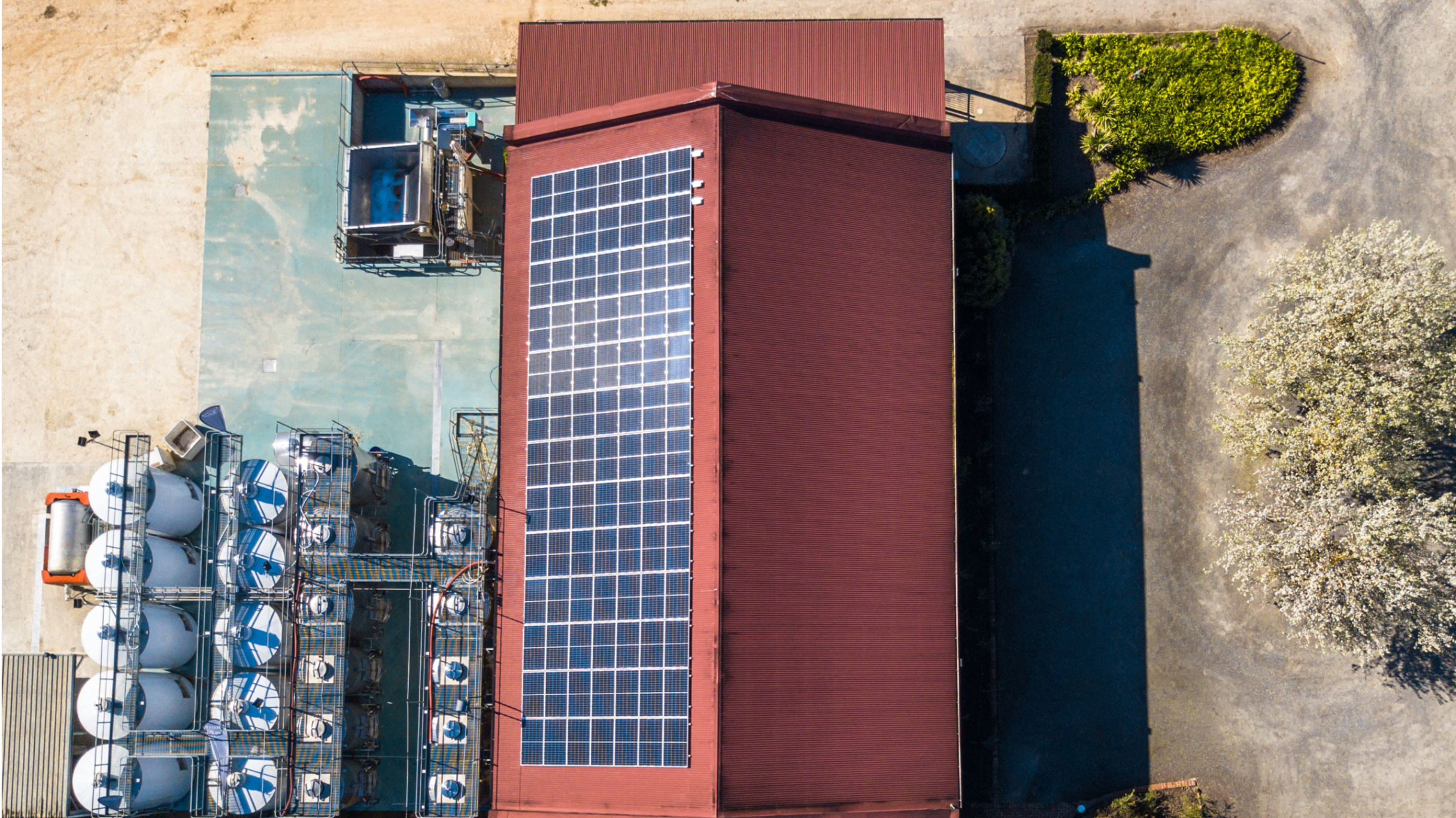
Wine production in South Australia's Langhorne Creek region is increasingly feeling the squeeze from rising electricity costs. The energy-intensive nature of winemaking—from irrigation and temperature-controlled fermentation to bottling and refrigeration—means electricity bills take a significant bite out of profits. These financial pressures have prompted many forward-thinking wineries to consider solar solutions.
South Australia's abundant sunshine doesn't just ripen world-class grapes—it also creates ideal conditions for solar energy production. With some of the highest solar irradiance levels in Australia, Langhorne Creek wineries are uniquely positioned to benefit from solar power installations, notes P4B Solar, a leading provider of commercial solar solutions in the region.
The financial case for solar has become increasingly compelling as electricity prices continue their upward trajectory while solar panel costs have declined substantially over the past decade. For wineries operating on tight margins, the prospect of slashing energy costs by 20-30% through solar adoption represents a significant competitive advantage.
The Australian government's Small-scale Renewable Energy Scheme (SRES) provides substantial upfront incentives for wineries installing solar systems under 100kW—the size bracket that fits many boutique and medium-sized operations in Langhorne Creek.
Through this program, wineries receive Small-Scale Technology Certificates (STCs) based on:
These certificates can be sold on an open market or, more commonly, assigned to the installer for an upfront discount on the system cost. For many Langhorne Creek wineries, STCs reduce initial installation costs by 30-40%, significantly improving return on investment timelines.
Larger wineries with substantial energy requirements can benefit from the Large-Scale Renewable Energy Target (LRET) scheme. Solar systems exceeding 100kW qualify for Large-Scale Generation Certificates (LGCs), which function differently from STCs in several key ways:
For large-scale wine producers in Langhorne Creek, LGCs transform solar installations from pure cost-saving measures into revenue-generating assets. This additional income stream further enhances the business case for solar adoption.
Bremerton Wines stands as a shining example of successful solar adoption in Langhorne Creek. This respected winery worked with P4B Solar to implement a 39.6 kW solar system that has transformed their energy profile and operational costs. Their journey provides valuable insights for other wineries considering similar investments.
Bremerton's solar installation features carefully selected components designed to maximize performance in Langhorne Creek's climate conditions:
This configuration delivers reliable power generation that aligns with the winery's operational needs, particularly during peak production periods. The system size was strategically calculated to optimize the balance between upfront investment and long-term returns.
Many Langhorne Creek wineries face technical challenges during solar installations. Rural locations often have grid infrastructure limitations that can complicate installations. Issues like voltage fluctuations, limited transformer capacity, and outdated switchgear sometimes require upgrades before solar systems can operate efficiently.
Wineries considering solar installations should partner with providers experienced in rural commercial applications. These specialists can conduct proper site assessments, design systems that account for local grid limitations, and coordinate with network operators when infrastructure upgrades are necessary.
Bremerton is set to achieve what many consider the gold standard for commercial solar investments: a 3-year return on investment (ROI). This accelerated payback period significantly outperforms the industry average of approximately 6 years for South Australian wineries.
This exceptional financial performance stems from several factors:
When the system is fully paid off in just 3 years, Bremerton will enjoy essentially free electricity generation for the remainder of the system's 25+ year lifespan. This translates to decades of reduced operational costs and enhanced profitability.
Wineries considering solar adoption should be aware of several industry-specific considerations that impact system design and implementation:
Experienced solar providers work closely with wineries throughout this process, addressing the unique considerations of agricultural businesses with seasonal production cycles and specialized energy requirements.
Importantly, solar installations can be scaled and phased to accommodate budget constraints and evolving energy needs. Many Langhorne Creek wineries begin with smaller systems focused on their highest consumption areas, then expand capacity as initial investments deliver returns.
The future of solar in Langhorne Creek continues to brighten as technology improvements, battery storage options, and virtual power plant opportunities create new ways for wineries to optimize their energy profiles and maximize returns on renewable investments.
For wineries aiming to enhance their operational efficiency, reduce environmental impact, and position their brands favorably in an increasingly eco-conscious market, solar power has become less a question of "if" and more a question of "when" and "how best" to implement.
P4B Solar specializes in designing custom solar solutions for wineries across South Australia's wine regions, helping them understand the complexities of renewable energy adoption while maximizing both financial returns and sustainability benefits.


