Commercial kitchen hoods improve fire safety, air quality, and kitchen efficiency while protecting appliances from heat and grease damage. Additionally, the VA professionals explain their design, proper installation, and maintenance to help operators create safer, more comfortable, and long-lasting commercial kitchen environments.
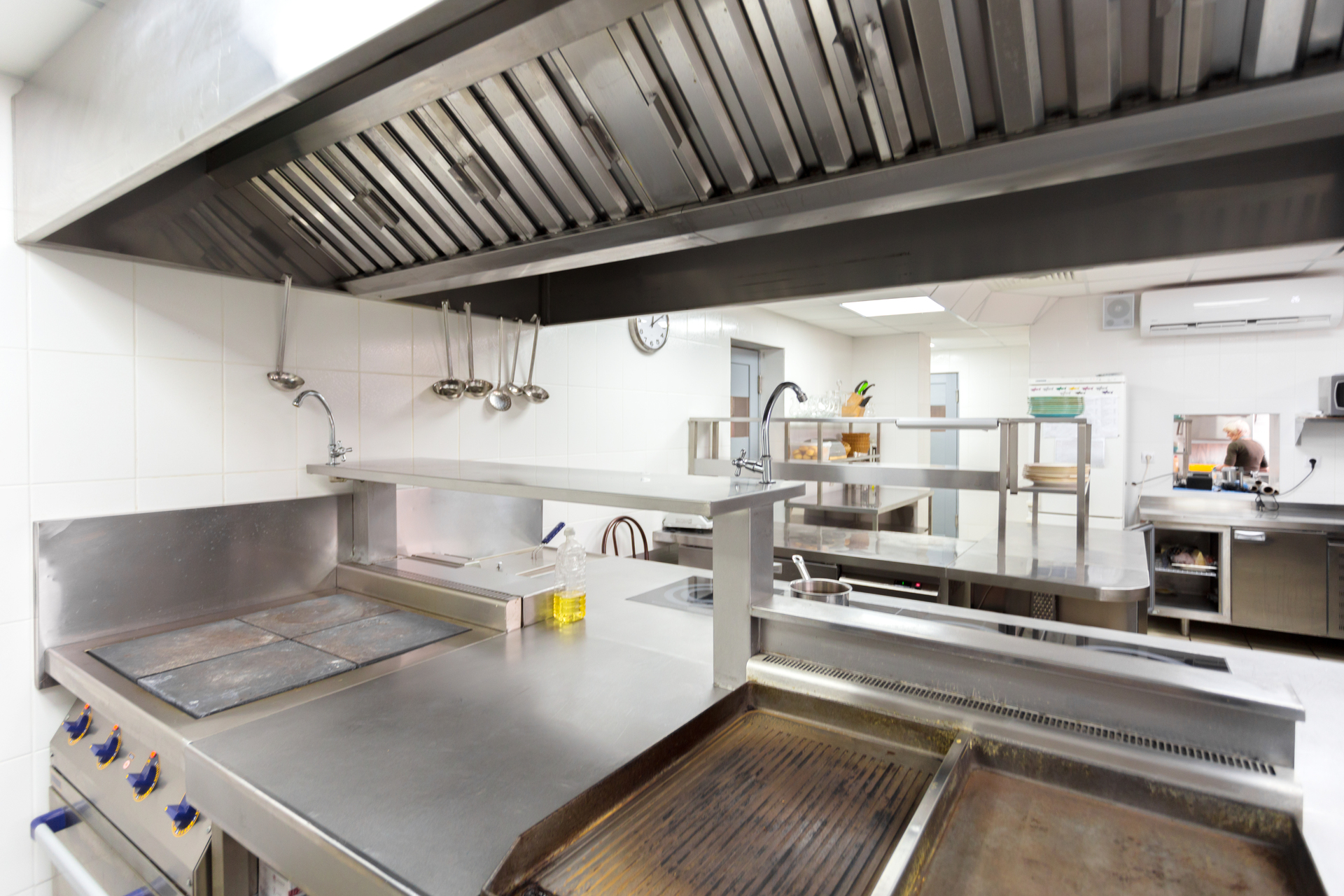
Proper ventilation in a commercial kitchen is critical for safety, comfort, and efficiency. Yet, many restaurant owners and facility managers overlook the full complexity of installing commercial kitchen hoods. From choosing the correct hood type to integrating exhaust fans and ductwork, each step affects safety and cost.
Without the right system, heat, smoke, and grease buildup can quickly create hazards, the experts at VA Commercial Repair Solutions. say. By reading further, you will gain practical insights into hood types, installation considerations, maintenance, and cost factors that matter most.
Choosing the correct hood for your kitchen starts with understanding the two main types:
These hoods are designed for equipment that produces grease, such as fryers, grills, and charbroilers. They include fire suppression systems to manage grease-laden vapors safely. Correct installation ensures smoke and grease do not accumulate, reducing fire risk and maintenance needs.
Used for appliances that generate steam, heat, or moisture, like ovens and dishwashers, Type II hoods help maintain air quality and comfort. These hoods do not require fire suppression but must be sized properly to manage airflow efficiently. Proper ductwork and exhaust fan integration are critical for performance.
Each type of hood has unique requirements for ducting, airflow, and maintenance. Choosing the wrong type or size can compromise safety and efficiency.
Running a commercial kitchen involves more than cooking; it’s a complex balance of safety, hygiene, and efficiency. One common oversight is underestimating the role of ventilation. Kitchen hoods are designed to remove smoke, grease, and heat from the cooking area, but their effectiveness depends on proper design, installation, and maintenance. Without this system:
While some operators may consider DIY solutions, commercial kitchen ventilation requires technical expertise to ensure safety and efficiency. The complexities include selecting the right hood type, sizing ductwork properly, and integrating fire suppression and make-up air systems.
Investing in a professional kitchen hood system provides measurable advantages across multiple areas of operation.
Kitchen hoods are not just about airflow; they are critical fire protection devices. Type I hoods, required for grease-producing appliances like fryers and grills, are designed to capture grease and prevent it from reaching ducts and fans. This reduces the risk of fire while supporting compliance with NFPA 96 standards. Fire suppression systems integrated into these hoods automatically respond to fires, giving kitchen teams more confidence and safety during high-pressure situations.
Cooking produces smoke, heat, and airborne grease, which can be uncomfortable and even hazardous for staff. A properly installed hood system continuously removes smoke and odors, keeping kitchens safer and more pleasant to work in. Type II hoods, designed for heat- or steam-producing equipment, maintain ventilation without capturing grease. This targeted approach ensures that every type of cooking operation is adequately supported.
By removing heat and smoke, kitchen hoods help maintain a consistent temperature and better air circulation. Staff can work more efficiently without the distraction of excessive heat or lingering odors. Additionally, controlling grease and particulate matter reduces the cleaning burden on surfaces, vents, and ductwork, cutting down on long-term maintenance costs.
Excess heat, moisture, and grease can damage kitchen appliances over time. Ventilation systems help regulate conditions around ovens, fryers, and grills, protecting expensive equipment from early wear. Proper airflow also ensures that make-up air units function correctly, balancing the air intake and exhaust for optimal performance.
Selecting a kitchen hood system is not a one-size-fits-all process. Operators must evaluate multiple factors to match their kitchen’s unique needs.
Proper planning and installation of commercial kitchen hoods safeguard your kitchen, improve air quality, and prevent fire hazards.
One of the most common mistakes in commercial kitchen installation is underestimating expenses. Beyond the basic hood unit, several cost drivers can significantly affect your budget:
Understanding these potential expenses before starting installation helps operators plan financially and avoid unexpected setbacks.
Even the best-installed systems require proper upkeep. Maintenance ensures that hoods continue to perform efficiently and safely.
Proactive maintenance not only extends the lifespan of your hood system but also supports a safer, more comfortable kitchen environment.
Operators looking for guidance can benefit from expert insights without relying solely on the installation company for information. Proper planning, budgeting, and compliance are key to a successful kitchen ventilation system.
Using expert guidance can help kitchen operators audit existing setups, explore potential upgrades, and understand the trade-offs between different hood types, empowering them to make decisions confidently, minimize risk, and maximize efficiency.


