Feeling guilty about that luxury vacation or premium experience you’re craving? New research reveals that indulging in high-end treats actually triggers powerful brain chemicals that boost mental health, build resilience, and create lasting psychological benefits you never knew existed.
The idea that luxury experiences should come with guilt has become deeply embedded in modern culture. However, emerging research reveals that treating yourself to premium experiences actually serves as a powerful tool for mental wellness and personal growth, especially during periods of celebration and personal freedom.
When people engage in luxury experiences, their brains undergo remarkable chemical changes that directly impact psychological well-being. Research demonstrates that planning a luxury vacation can boost mental health and provide a better life perspective. These neurochemical responses aren't just temporary mood lifts—they create lasting improvements in how individuals view themselves and their capabilities.
The anticipation alone of a premium experience begins this transformation. As the brain prepares for something special, it releases mood-elevating chemicals that extend the benefits far beyond the actual event. This explains why people often report feeling energized and optimistic weeks before their planned luxury experience begins.
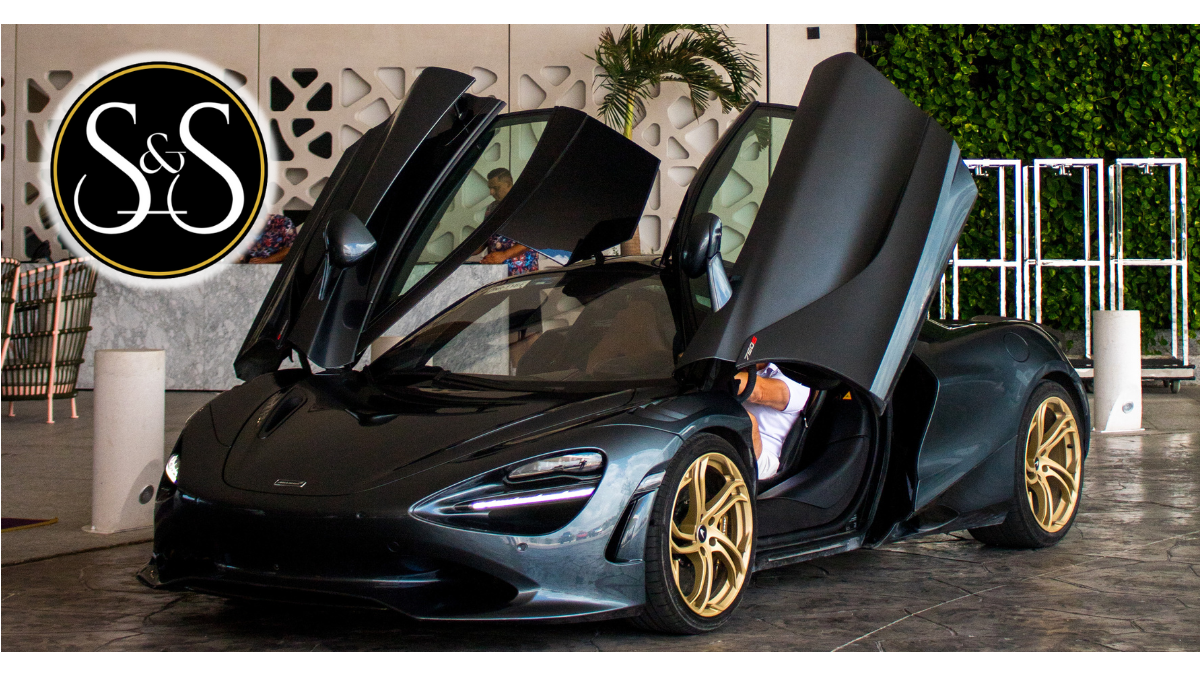
Companies like Sun and Speed, which specializes in luxury car rentals and supercar experiences in Cancun, have observed this phenomenon firsthand among their clients who choose premium experiences during personal milestone moments.
Multiple studies show that treating yourself with more kindness could be the best way to gain better results in various life areas. The psychology behind self-indulgence reveals three critical mechanisms that promote long-term mental health benefits.
Treating yourself triggers a surge of dopamine, promoting feelings of pleasure and satisfaction that extend well beyond the immediate experience. This neurotransmitter doesn't just create momentary joy—it reinforces positive behaviors and builds neural pathways associated with self-worth and accomplishment. The dopamine response from luxury experiences often motivates individuals to pursue other positive life changes, creating an upward spiral of personal growth.
A 2014 Cornell University study showed that most people gain a better life perspective and are further motivated to achieve goals after taking a trip or engaging in premium experiences. Serotonin elevation during luxury moments helps individuals process daily stressors more effectively and maintain emotional balance during challenging periods. This chemical boost often continues for weeks after the experience ends.
Self-compassion, encouraged by treating oneself, reinforces self-worth and helps develop resilience and a stronger sense of identity. When individuals give themselves permission to enjoy premium experiences, they're essentially practicing self-care at a neurological level. This practice strengthens their ability to bounce back from setbacks and maintain confidence during difficult situations.
Luxury travel serves as more than temporary escape—it functions as a catalyst for meaningful personal development. The combination of new environments, premium comfort, and freedom from routine creates optimal conditions for psychological breakthroughs and stress transformation.
Research reveals that individuals indulging in frequent mini getaways report significantly lower stress levels compared to those who save their leave for one or two large vacations. These shorter luxury experiences provide regular mental resets that prevent stress accumulation. The frequency of positive experiences matters more than their duration when it comes to maintaining optimal mental health.
The key lies in the complete environmental change that luxury travel provides. New surroundings combined with premium amenities create a mental sanctuary where stress hormones naturally decrease and restorative processes begin.
Luxury can provide a sanctuary from daily pressures, lowering stress hormones and promoting calm and relaxation. Premium accommodations, fine dining, and exclusive experiences remove the decision fatigue and daily friction that accumulate in regular life. This mental space allows for genuine relaxation and often leads to creative insights and emotional processing that wouldn't occur in familiar environments.
The sanctuary effect extends beyond the physical environment to include premium service that eliminates typical travel stressors, allowing complete focus on personal enjoyment and reflection.
Luxury car rentals offer significant psychological benefits that extend far beyond simple transportation. The combination of engineering excellence, sensory engagement, and personal empowerment creates unique therapeutic experiences that many traditional wellness activities cannot replicate.
Driving or riding in a premium vehicle naturally boosts confidence levels through multiple psychological mechanisms. The association with high-performance engineering and luxury design temporarily elevates self-perception and social confidence. This boost often carries over into other life areas, improving professional interactions and personal relationships.
Premium vehicles also serve as conversation starters and social bridges, helping individuals connect with like-minded people who appreciate quality and performance. These social connections often develop into meaningful relationships that extend well beyond the driving experience.
Driving a luxury car can be a form of meditation, providing a sense of escapism and allowing individuals to focus on the present moment. The precise engineering and responsive handling demand complete attention, naturally creating a mindful state that quiets mental chatter and reduces anxiety.
The sensory richness of premium vehicles—from engine sounds to tactile feedback—creates an immersive experience that grounds individuals in the present moment. This focused attention serves as a powerful antidote to the scattered mental state that characterizes modern life.
Controlled adventure experiences, like driving high-performance vehicles, trigger positive stress responses that strengthen resilience while providing immediate stress relief. The manageable thrill of acceleration and precise handling creates a safe outlet for tension and anxiety that builds up from daily pressures.
This type of adventure also releases endorphins and adrenaline in controlled doses, creating natural mood elevation without the risks associated with extreme sports or dangerous activities.
Thanksgiving week represents a unique opportunity in the American calendar—a time specifically designated for gratitude and personal reflection without the commercial pressures that characterize other holidays.
Unlike Christmas or New Year's celebrations, Thanksgiving travel may carry less pressure to host elaborate gatherings, coordinate complex family logistics, or manage extensive social obligations. This freedom can create space for genuinely personal experiences that focus on individual well-being rather than external expectations.
The holiday's emphasis on gratitude naturally aligns with luxury experiences, as individuals can frame premium treats as expressions of thankfulness for their achievements and progress throughout the year.
Thanksgiving week eliminates the gift-giving pressure that characterizes December holidays, allowing individuals to invest in personal experiences without the guilt of not spending money on others. This psychological freedom enables more authentic self-care decisions based purely on personal desires and wellness needs.
The timing also provides a natural transition between the achievement-focused fall season and the social intensity of December, creating an ideal window for personal indulgence and reflection.
The evidence clearly demonstrates that luxury experiences serve legitimate mental health functions beyond simple pleasure-seeking. Engaging in activities that bring joy, practicing mindfulness, and seeking support can help reduce stress, boost mood, and improve overall mental resilience—and luxury experiences often provide all three simultaneously.
Luxury travel can be a powerful tool for personal growth, self-discovery, and psychological well-being when approached with intention and self-awareness. The key lies in reframing these experiences not as frivolous expenses, but as investments in mental health and personal development.
Luxury experiences can trigger the release of endorphins, which are associated with improved mood and outlook, while the memories formed during premium experiences continue providing psychological benefits for years afterward. These lasting positive associations become mental resources that individuals can draw upon during challenging periods.
Rather than viewing luxury treats as guilt-inducing indulgences, recognize them as legitimate tools for maintaining psychological wellness and celebrating personal achievements. The science supports what many instinctively know—that treating yourself well isn't selfish, it's essential for sustained mental health and life satisfaction.
Experience the psychological benefits of luxury travel firsthand with Sun and Speed's curated supercar and luxury vehicle experiences in Cancun.


