If you’ve been wondering whether OTC hearing aids could be right for you, now is the time to learn more. Understanding the differences, benefits, and trusted brands can help you make a confident and informed choice.
Hearing loss affects millions of people worldwide, yet many go years without addressing it. Whether due to cost, accessibility or uncertainty about the right solution, untreated hearing issues can significantly impact quality of life, relationships and even long-term health.
Thankfully, in recent years, advances in technology and changes in regulations have made it easier than ever to access hearing support—without needing a prescription. This shift has brought a new category of product into the spotlight, over-the-counter (OTC) hearing aids, and that make them.
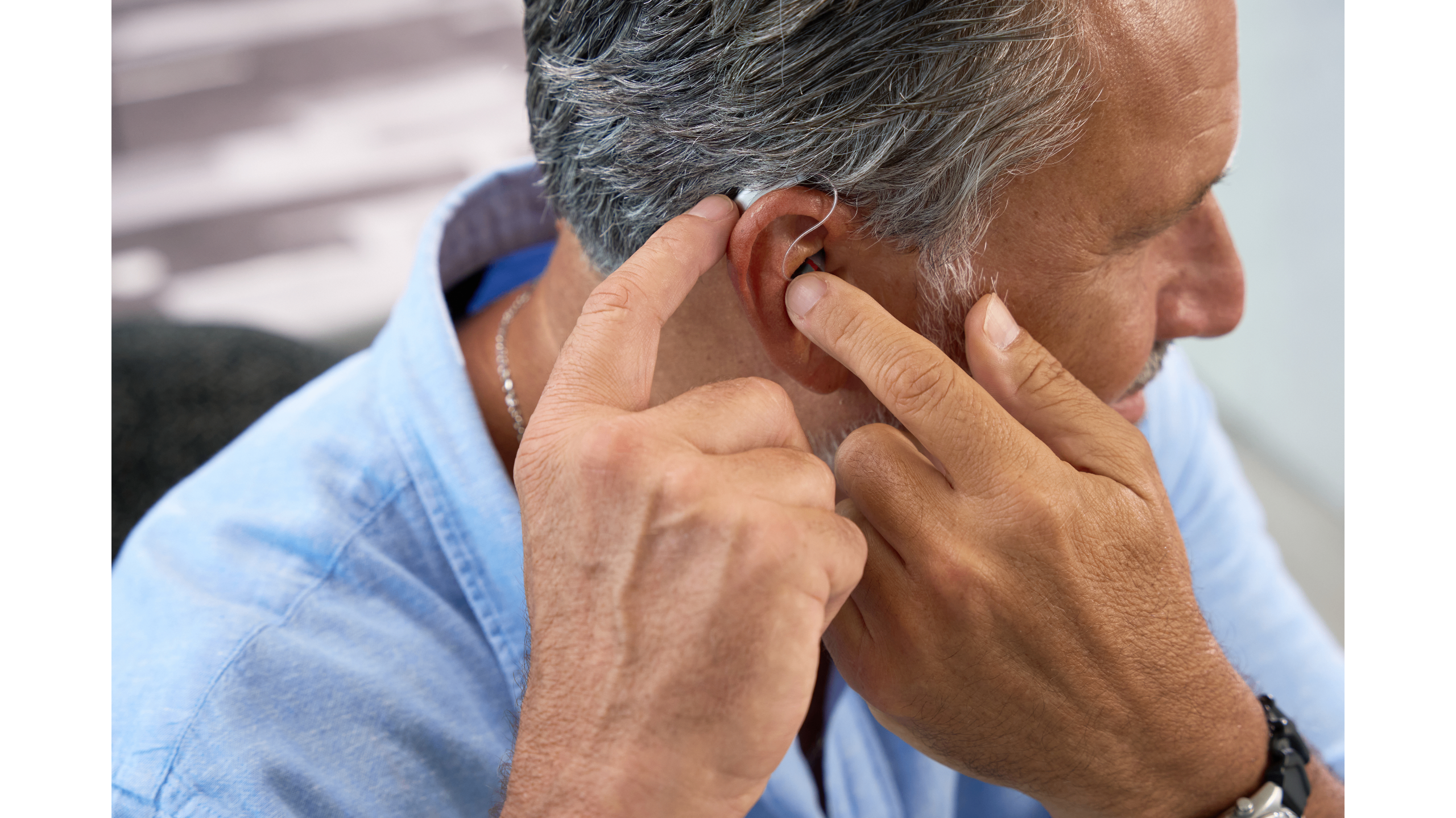
OTC hearing aids are devices that you can buy directly—online or in stores—without visiting an audiologist for a prescription. They are designed for adults with perceived mild to moderate hearing loss and can often be adjusted at home to suit personal needs. Unlike prescription hearing aids, which involve a professional fitting and customization, OTC devices put more control in the hands of the consumer, offering greater accessibility and often a lower price point.
While you may not be overly familiar with them, the OTC sector has actually been growing rapidly in recent years, driven in demand particularly by consumers in North America. As Grand View Research recently revealed, while the OTC market was valued at $1.12 billion in 2023, it is projected to reach $1.74 billion by 2030, growing at a compound annual growth rate (CAGR) of 6.6%.
However, with this growth has come some confusion. As a recent report on Yahoo cautioned, while leading names in the space are dedicated to upholding the FDA’s regulatory standards for OTC hearing aids—and to full transparency with both their consumers and regulatory boards—as the market grows, many consumers are inadvertently purchasing personal sound amplification products, or PSAPs, that are being marketed as OTC aids, but are entirely unregulated and may deliver unsafe levels of amplification that can further damage hearing.
So if you're shopping online or in person for over-the-counter aids, firstly, you should be aware that OTC hearing aids are only ever recommended for adults over the age of 18 and for perceived mild to moderate hearing loss. Secondly, you should know that any trustworthy OTC device will be FDA-registered.
To make sure this is what you are getting, you should look for clear labelling and transparent consumer advice. The cost can also be a clue, as while PSAPs may go for $100 or less, it is rare for any registered OTC aid to retail for less than around $200.
Beyond transparency, you want to look for innovative features like Bluetooth audio streaming, built-in dehumidification and nearly invisible fits, that can make your daily hearing aid experience more comfortable, practical and enjoyable.
All of this means that when you’re shopping between OTC brands, you want to find one that is equally focused on their customer relationships and their regulatory compliance as they are on their product lines and technological innovation.
Today, many of the longstanding names in prescription hearing aids, like Phonak, ReSound, and Signia, have expanded their offerings to include OTC models that meet FDA standards while bringing their trusted technology to a wider market.
Other newer brands have also become highly trusted in the space, like , who has been named in the 2025 after having their strongest year yet for product growth, sales, customer approval ratings and regulatory standing.
The main thing to do is take the time to compare options, focusing on the features that suit your lifestyle, the level of technology you need, and a price point you’re comfortable with.
By knowing what to look for and choosing a reputable brand, you can enjoy better hearing, greater comfort, and the peace of mind that comes with a safe, effective solution.


