With AI tools like ChatGPT replacing traditional search, solar installers must shift focus to creating high-quality content that builds trust and answers customer questions clearly. Content that demonstrates expertise without jargon performs better in AI-generated responses than keyword-focused strategies.
Google is no longer the primary destination for information. AI is.
This shift is changing how potential solar customers find installation companies. Marketers have observed that search behavior is moving away from traditional search engines and toward AI tools that deliver complete, packaged answers without requiring users to click through multiple websites.
"The numbers don't lie. Google itself is investing heavily in AI search capabilities, and we would not be surprised if it abandons the search box completely," says a representative from SaaSy Link, a marketing firm helping San Diego solar installers adjust to this reality. "For solar installers who have spent years optimizing for SEO, this creates an urgent need to pivot toward high-quality content creation."
The days of optimizing your solar installation website for specific keywords like "solar panels [city name]" or "best solar installer near me" are fading. AI-powered tools like ChatGPT, Google's Gemini, and Microsoft's Copilot now generate complete, authoritative responses to consumer questions, often eliminating the need to visit individual websites altogether.
This transformation isn't speculative; it's already qhappening. Google's CEO has described 2025 as moving "beyond the search box" with the company heavily investing in Gemini and Project Astra. When a potential customer asks, "How much can I save by installing solar in Arizona?" they're increasingly getting comprehensive answers directly from AI rather than clicking through to your optimized landing page.
Homeowners researching solar installation no longer want to wade through multiple websites comparing technical specifications and installation processes. They want immediate, comprehensive answers. This fundamental shift in consumer behavior means solar companies must adapt how they approach digital marketing.
There is a silver lining for solar installers who have invested in creating quality content. Studies show a strong correlation between traditional search rankings and mentions in AI-generated answers. Companies that rank on the first page of Google are more likely to be referenced by AI tools, but with an important distinction.
While traditional SEO factors like backlinks have less influence on AI mentions, the quality and comprehensiveness of your content matter enormously. "One solar company discovered that after adding a well-structured 'frequently asked questions' section addressing common customer concerns, their mention rate in AI responses increased by 35%, despite making no changes to their technical SEO strategy," recalled SaaSy Link's representative.
AI tools are increasingly programmed to recognize and prioritize content that connects emotionally with readers. When your website features genuine case studies of families who've reduced their carbon footprint and saved thousands on energy bills, both human visitors and AI tools recognize this as valuable, trustworthy content worth referencing.
The solar industry has a natural advantage for storytelling. Every installation represents a homeowner's journey toward energy independence, sustainability, and financial savings.
The content that performs best in AI-generated answers directly addresses the questions potential solar customers are asking. When homeowners type or ask:
They want clear, honest answers; not marketing fluff. Solar installers who create dedicated content addressing these specific questions are significantly more likely to be featured in AI-generated responses.
The solar industry is full of technical terminology that can confuse potential customers. Terms like "inverter efficiency," "net metering," and "solar production ratio" may be everyday language for installers, but they are often intimidating for homeowners.
AI tools are increasingly programmed to favor content that explains complex ideas in accessible language. When content clearly explains that "net metering allows you to sell excess electricity back to the utility company, offsetting your bills during cloudy days," both human readers and AI tools recognize this as valuable information worth sharing.
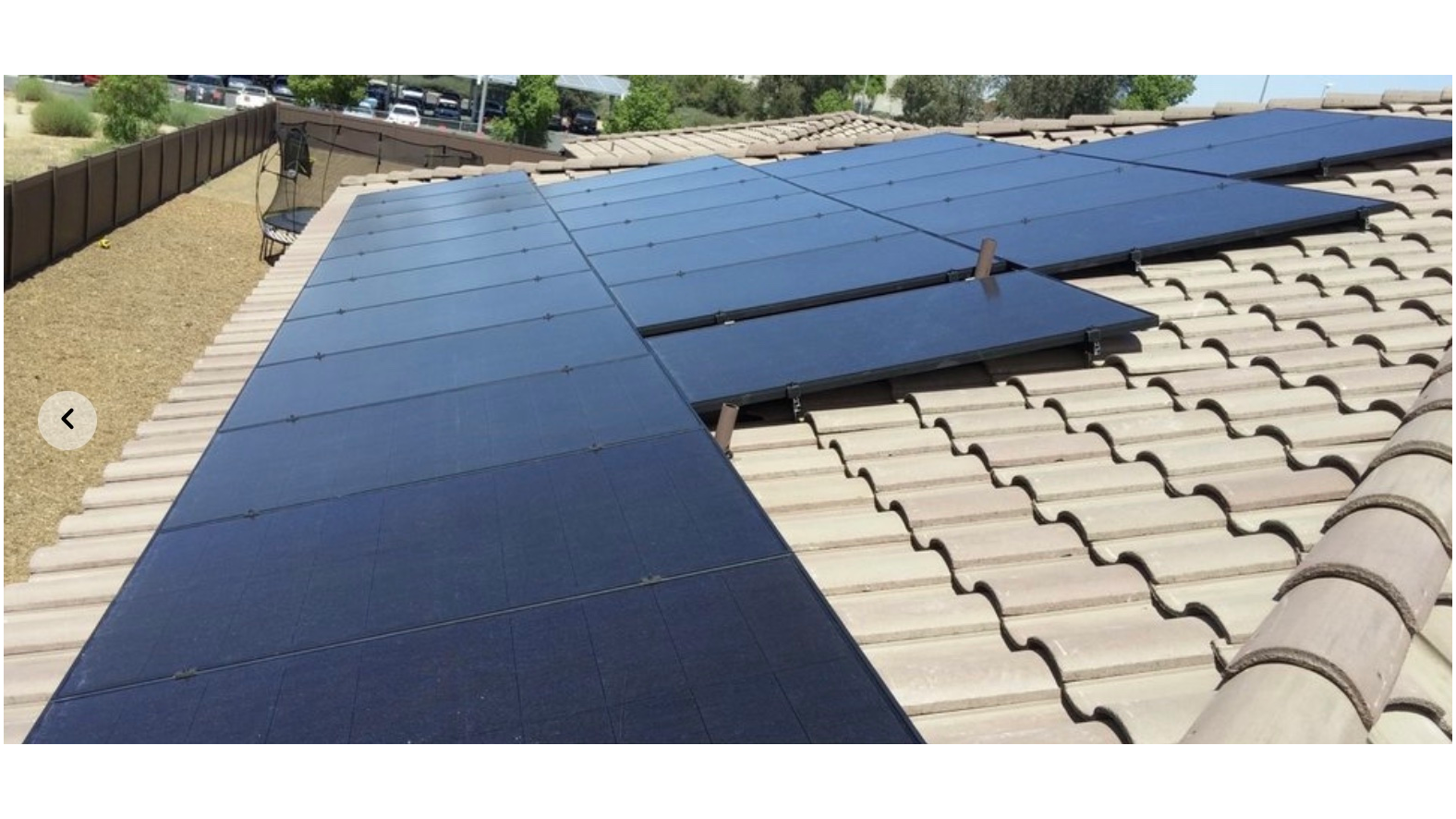
While AI tools currently focus primarily on text, the most effective solar installation content includes compelling visuals that help customers envision the end result. Before-and-after photos of homes with new solar installations, time-lapse videos of the installation process, and infographics showing average savings in your service area all contribute to content that converts browsers into buyers.
As AI tools become more sophisticated in analyzing visual content, solar installers with strong visual assets will gain additional advantages in search visibility.
The shift to AI-powered search represents a turning point for solar installation marketing. Companies that continue to invest primarily in technical SEO tactics while neglecting content quality will find themselves increasingly invisible to potential customers.
"The most successful solar installers will be those who redirect their marketing budgets toward creating genuinely helpful, accessible content that addresses real customer questions," says SaaSy Link's spokesperson. "This content-first approach not only improves visibility in AI-generated answers but also builds trust with potential customers at every stage of their solar journey."
They add that for installers without the expertise to create content that AI values, a number of tech-savvy content marketing firms are already building custom campaigns that engage readers while still meeting the demands of machines.


