Does DIY piano moving really save money? Studies reveal that piano damage can cost $500-$1,500, while professional services typically charge $200-$1,000… but Got2Move and other experts note that there’s more to this cost equation than most homeowners realize.
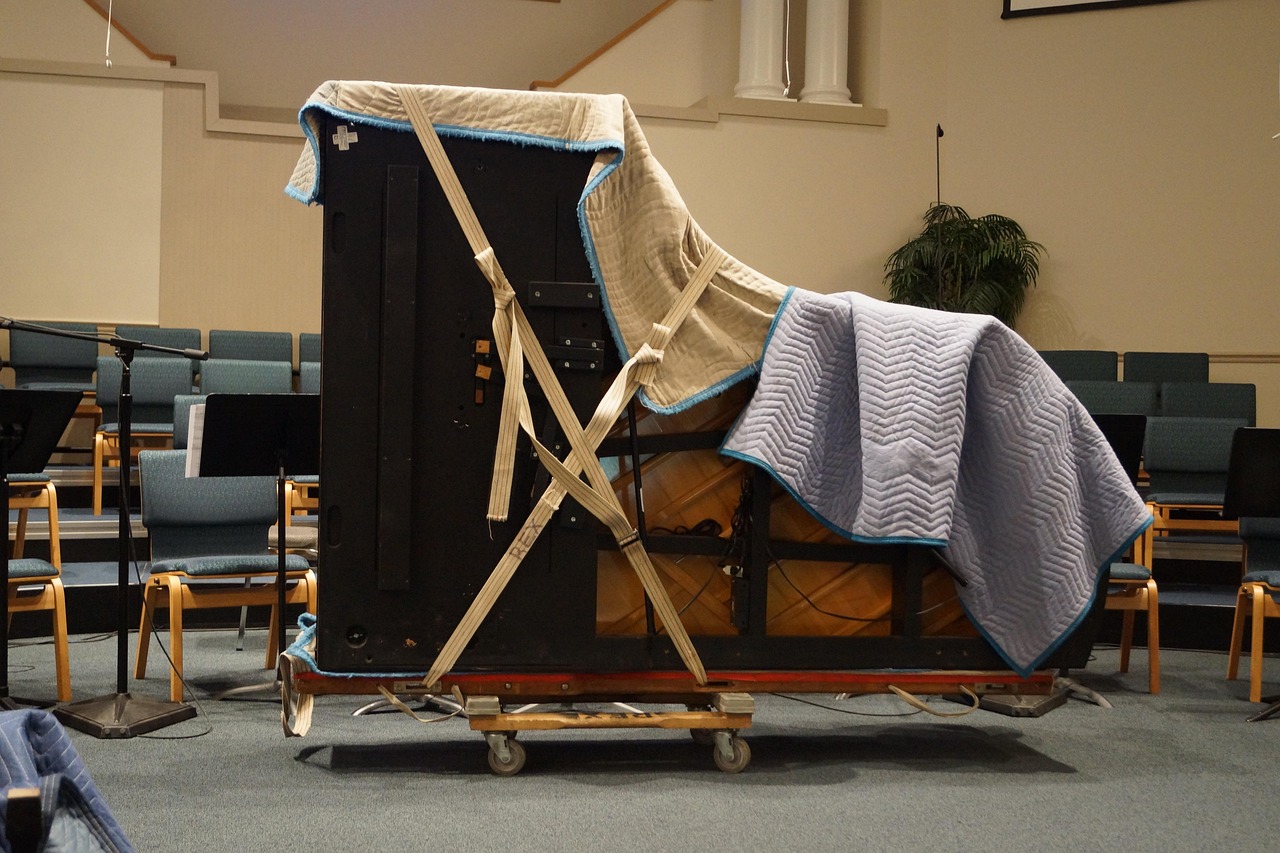
Moving a piano without professional help is a costly gamble that homeowners frequently lose, experts warn. Studies suggest that a significant percentage of DIY piano moves result in damage requiring repairs between $500 and $1,500. These statistics paint a stark picture for cost-conscious homeowners considering a do-it-yourself approach.
And the damage isn't limited to minor cosmetic issues. Even seemingly minor bumps during transport can throw delicate internal mechanisms out of tune or cause serious structural problems.
Professional piano movers understand these risks intimately, which explains why their services command premium pricing. In fact, Nasdaq data indicates that the pros often charge around $600 for the privilege of moving a heavy piano - but experts clarify that such figures are far from arbitrary.
Understanding the complexity of piano relocation becomes clearer when examining the specific challenges each piano type presents. Experts like Got2Move have broken down exactly how many people different piano types require, highlighting why professional assessments should come into play before attempting any move.
The sheer mass of pianos explains most moving complications. These instruments weren't designed with portability in mind, making every relocation a significant undertaking that calls for careful planning and adequate manpower.
Upright pianos present challenges due to their weight. These instruments typically weigh between 300 and 500 pounds, with some models reaching 800 to 1,000 pounds. The weight distribution creates particular difficulties, as the bulk sits high off the ground, making balance precarious during transport.
Console pianos, while lighter at 200-400 pounds, still require at least two strong individuals for safe movement. However, the presence of even a single flight of stairs immediately increases the minimum crew requirement to three people. Studio pianos, weighing up to 400 pounds, demand at least three movers from the start due to their increased height and mass.
Horizontal pianos bring another complexity to the fray. Their awkward shape and delicate construction typically necessitate partial disassembly before any move attempt. Professional disassembly requires specialized knowledge and tools that most homeowners lack.
Baby Grand pianos, measuring up to 5 feet 7 inches and weighing 500 pounds or more, require leg and pedal removal for safe transport. This process demands technical expertise to avoid damaging connection points or internal mechanisms. Attempting a disassembly without proper knowledge often results in expensive repairs.
Semi-Concert pianos represent the ultimate moving challenge, weighing up to 900 pounds and stretching approximately 7 feet in length. Concert grand pianos, due to their size and weight, often require teams of six or more people to move safely. The combination of extreme weight, size, and value makes professional handling essentially mandatory.
The logistics alone exceed most homeowners' capabilities. Coordinating six people with proper lifting technique, navigating doorways and corners, and managing the instrument's center of gravity requires extensive experience - not to mention planning.
The true cost of DIY piano moving goes way beyond the initial savings calculation. Hidden expenses are the bane of amateur moving attempts, often exceeding professional service fees by substantial margins.
Repairs to broken piano legs or cracked casings can range from $500 to $2,000 or more, depending on the extent of the damage and the piano's value, while internal damage involving strings or hammers can reach $1,000 to $2,000. Serious structural damage often exceeds $3,500, potentially approaching the instrument's replacement value.
Internal components maintain precise calibration that amateur moves frequently disturb. Soundboards, bridges, and action mechanisms can suffer damage from vibration and impact that might not become apparent until weeks after the move. These delayed repair needs catch homeowners unprepared - creating unexpected expenses long after the relocation.
Piano moves without proper equipment often result in secondary property damage. Dragging or improperly lifting pianos can create scratches and gouges on flooring, potentially costing several hundred dollars or more to repair, especially for hardwood floors. Hardwood floor repairs can easily cost several hundred dollars per room.
Wall damage from navigating tight corners, doorframe repairs from forced passages, and carpet replacement from wheel marks add further unexpected expenses. These property repairs often match or exceed the piano's moving damage costs.
The physical toll of amateur piano moving frequently results in medical expenses. Back and muscle strain are common due to improper lifting techniques, potentially leading to emergency room visits, physical therapy, and lost work time.
Dropped instruments also present dual hazards: potential injury to movers and guaranteed damage to the piano. The combination of medical bills and repair costs can often exceed several thousand dollars - dwarfing professional moving fees.
Professional piano movers offer value far beyond simple transportation, experts say. Their services include protection measures that amateur moves can't match, justifying their premium pricing through risk mitigation.
Professional movers utilize specialized equipment like piano dollies, padding systems, and lifting straps. What's more, piano skids, custom ramps, and protective wrapping systems represent substantial investments that professionals bring to the table across multiple jobs.
Trained techniques for weight distribution, corner navigation, and stair management develop through years of experience. Professional movers understand leverage points, safe lifting angles, and proper team coordination to a level that amateurs are less likely to reach.
Professional piano movers typically offer various insurance coverage options for damage occurring during transport, such as basic liability or full value protection, providing financial protection unavailable with DIY moves. It's important to understand the coverage details and limitations.
More importantly, though, such coverage extends beyond the instrument itself. It also covers property damage caused during the moving process, with professional liability coverage protecting homeowners from repair costs to floors, walls, and other property elements.
Professional piano movers typically charge extra for stairs due to the added difficulty and risk, with surcharges ranging from $40 to $100 per flight, reflecting the exponential complexity increase these obstacles create. Stairway navigation requires precise coordination, specialized techniques, and additional safety equipment - hence the cost.
Tight doorways, narrow hallways, and low ceilings compound the challenge further. Professional movers conduct detailed assessments before moving day, identifying potential obstacles and planning alternative routes. They often remove doors, protective padding, and utilize custom equipment for challenging passages.
Multi-story moves might require window removal or crane assistance for instruments that can't navigate interior routes. It's no wonder professional services are seen as necessary for complex relocations.
Professional piano moving services typically cost between $200 and $1,000, depending on factors such as the type of piano, distance of the move, and complexity of the relocation, including stairs or tight spaces. Local upright piano moves typically fall toward the lower end, while long-distance grand piano relocations approach the upper range.
Comparing these costs against potential DIY damage reveals the true value proposition of professional services. A single repair incident often equals or exceeds professional moving fees, while the high damage rate for amateur moves creates unfavorable odds for cost-conscious homeowners.
Additional factors like stairs, long distances, or time constraints increase professional costs but also multiply DIY risks proportionally. The investment in professional moving often prevents expenses several times greater than the service fees, making economic sense beyond convenience considerations.
For homeowners reconsidering their approach to piano relocation, Got2Move notes that professional piano moving companies are trained to eliminate the risks and hidden costs associated with DIY attempts.


