Discover why athletes are ditching traditional foam rolling for percussion therapy devices that deliver up to 40 pulses per second. The science behind deep tissue penetration reveals surprising benefits you might not expect.
Athletes and fitness enthusiasts constantly seek effective recovery methods that deliver real results. While traditional massage therapy provides benefits, the science behind percussive massage devices reveals why deep percussion therapy has become the gold standard for muscle recovery and pain management.
Deep percussion therapy works by delivering concentrated bursts of pressure that reach layers of muscle tissue beyond what surface-level treatments can achieve. The rapid pulsating strikes create a mechanical force that penetrates through the skin, fascia, and into the deeper muscle fibers where tension and knots typically form.
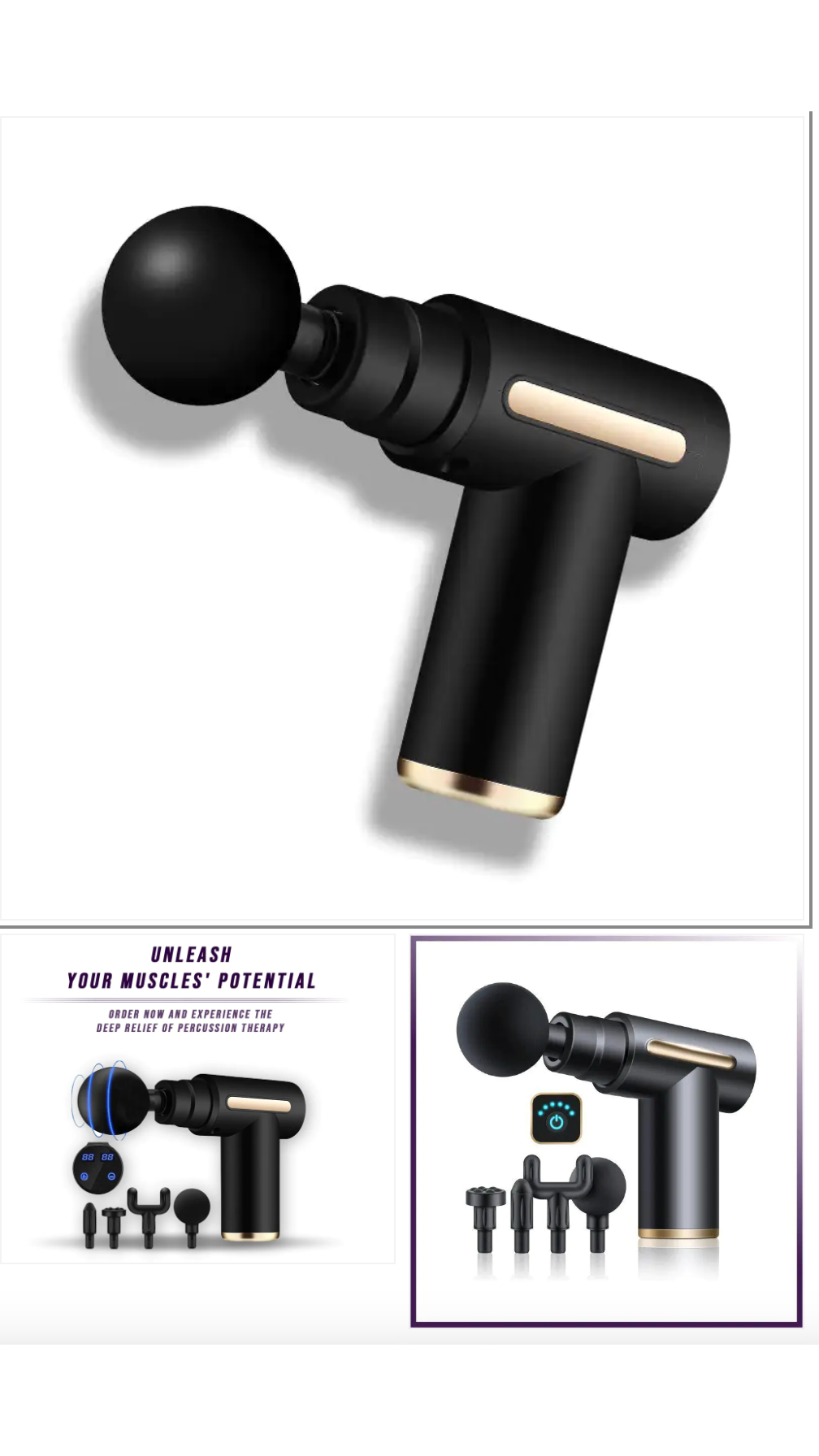
This penetration occurs through a combination of amplitude and frequency. The device's motor generates enough force to push therapeutic pulses several inches into muscle tissue, while the rapid-fire delivery ensures consistent stimulation of the targeted area. Profiler Digital's percussion therapy massager operates at 1800-3200 revolutions per minute to deliver professional-grade deep tissue treatment.
Unlike static pressure from traditional massage tools, percussive therapy creates a dynamic environment that promotes immediate physiological responses. The mechanical vibrations stimulate mechanoreceptors in the muscle tissue, triggering neurological pathways that facilitate healing and pain relief.
The core of percussive therapy lies in its high-frequency pressure delivery system. Modern percussion devices generate between 20-40 pulses per second, creating a sustained therapeutic effect that surpasses manual massage techniques. This rapid-fire approach ensures continuous stimulation of muscle fibers without allowing tension to rebuild between applications.
The pressure delivery system combines precise amplitude control with consistent frequency output. Each pulse delivers a measured amount of force designed to reach specific tissue depths while maintaining user comfort and safety. The result is a therapeutic experience that maximizes muscle penetration while minimizing surface discomfort.
Percussion therapy excels at targeting specific muscle fibers through focused stimulation. The rapid pulses create micro-movements within the muscle tissue that help break up adhesions and scar tissue formation. This targeted approach allows users to address problem areas with precision rather than applying generalized pressure.
The stimulation process activates both Type I and Type II muscle fibers, promoting muscle engagement across fiber types. This dual activation helps improve muscle function while addressing areas of restriction or tension that limit performance and cause discomfort.
The percussion mechanism significantly improves blood circulation through mechanical stimulation of blood vessels and surrounding tissue. Rapid pulses create a pumping action that encourages blood flow to the treated area, delivering oxygen and nutrients while removing metabolic waste products.
This improved circulation extends beyond the immediate treatment area. The increased blood flow creates a cascading effect that benefits surrounding muscle groups and tissues, promoting overall recovery and reducing inflammation throughout the targeted region.
Percussion therapy achieves pain relief through a neurological mechanism known as the gate control theory. The high-intensity stimulus from rapid pulses bombards the afferent sensory pathway, effectively overriding pain signals before they reach the brain. This immediate pain relief allows users to experience comfort while the therapy addresses underlying muscle issues.
The mechanical stimulation also triggers the release of endorphins, the body's natural pain-relieving compounds. These endorphins provide sustained pain relief that extends beyond the immediate treatment session, creating lasting comfort and promoting the healing process.
Deep percussion therapy accelerates the removal of metabolic waste products that accumulate in muscle tissue during exercise and daily activities. The rapid pulses stimulate lymphatic drainage, helping flush out lactic acid, inflammatory compounds, and cellular debris that contribute to muscle soreness and fatigue.
This waste removal process is particularly effective because the mechanical action creates pressure gradients that encourage fluid movement. The result is reduced muscle soreness, decreased inflammation, and faster recovery times compared to passive recovery methods.
Delayed Onset Muscle Soreness (DOMS) affects athletes 24-72 hours after intense training. Percussion therapy minimizes DOMS by increasing blood flow, elevating intramuscular temperature, and improving muscle relaxation. The mechanical stimulation helps prevent the inflammatory cascade that leads to severe soreness.
Clinical studies suggest that percussive massage can reduce DOMS intensity by up to 30% when used immediately after exercise. The therapy's ability to maintain circulation and prevent muscle stiffness makes it an effective tool for athletes who train frequently or compete at high levels.
Percussion therapy significantly improves range of motion by addressing muscle tightness and fascial restrictions. The rapid pulses help break down adhesions between muscle layers while promoting tissue flexibility. Athletes typically experience immediate improvements in joint mobility and muscle extensibility after percussion therapy sessions.
The range of motion benefits extend beyond immediate treatment effects. Regular use of percussion therapy helps maintain muscle flexibility and prevents the development of chronic tightness that can limit athletic performance and increase injury risk.
The improved blood flow and lymphatic drainage promoted by percussion therapy create optimal conditions for muscle repair. Increased circulation delivers nutrients and growth factors to damaged tissue while removing metabolic byproducts that can impair healing.
Research suggests that percussion therapy can accelerate the muscle repair process by 20-25% compared to passive recovery. This acceleration allows athletes to return to training sooner while reducing the risk of overuse injuries associated with inadequate recovery.
While percussion therapy excels at recovery and pain relief, its effects on immediate athletic performance show mixed results. Some studies indicate temporary improvements in muscle strength and power output, while others show minimal performance improvement. The primary benefit remains its exceptional recovery and injury prevention capabilities.
Athletes should view percussion therapy as a recovery tool rather than a performance booster. The indirect performance benefits come from improved recovery, reduced injury risk, and maintained training consistency rather than immediate power or strength gains.
Modern percussion devices offer multiple speed settings that allow users to customize treatment intensity based on specific needs and comfort levels. Lower speeds (1800-2200 RPM) provide gentle stimulation suitable for sensitive areas or pre-workout activation. Higher speeds (2800-3200 RPM) deliver deep tissue treatment for post-workout recovery and chronic tension relief.
The ability to adjust speed settings ensures optimal therapy delivery for different muscle groups and treatment goals. Larger muscle groups like the quadriceps and glutes benefit from higher intensities, while smaller, more sensitive areas like the neck and forearms respond better to gentler settings.
Specialized massage head attachments improve percussion therapy effectiveness by targeting specific muscle groups and treatment needs. Ball attachments work well for large muscle groups, while bullet heads provide precise trigger point therapy. Fork attachments are designed for spinal alignment and neck treatment, while flat heads offer broad surface area coverage.
The variety of attachment options allows users to optimize treatment for different body regions and therapeutic goals. Each attachment design influences pressure distribution, penetration depth, and comfort levels, making it possible to address various muscle issues with a single device.
Deep percussion therapy represents a significant advancement in muscle recovery technology, offering athletes and fitness enthusiasts a scientifically-backed method for pain relief and performance support. The combination of rapid pulse delivery, targeted muscle stimulation, and improved circulation creates a therapeutic experience that surpasses traditional recovery methods.
The effectiveness of percussion therapy lies in its ability to address multiple aspects of muscle recovery simultaneously. While foam rolling and static stretching provide some benefits, percussion therapy's superior effectiveness stems from its ability to penetrate deeper tissue layers while promoting both neurological and physiological responses.
For athletes seeking optimal recovery and pain management solutions, percussion therapy offers a portable, cost-effective alternative to professional massage therapy. The immediate and long-term benefits make it a valuable tool for maintaining peak performance and preventing injury-related setbacks.
Learn how Profiler Digital combines advanced percussion therapy technology with user-friendly design to help athletes achieve their recovery goals at profilerdigital.com.


