As Nigeria prepares to take full ownership of its immunization programs by 2028, the stakes couldn’t be higher. With over 2.2 million children still unvaccinated and donor support set to phase out, experts warn: this transition isn’t optional—it’s critical.
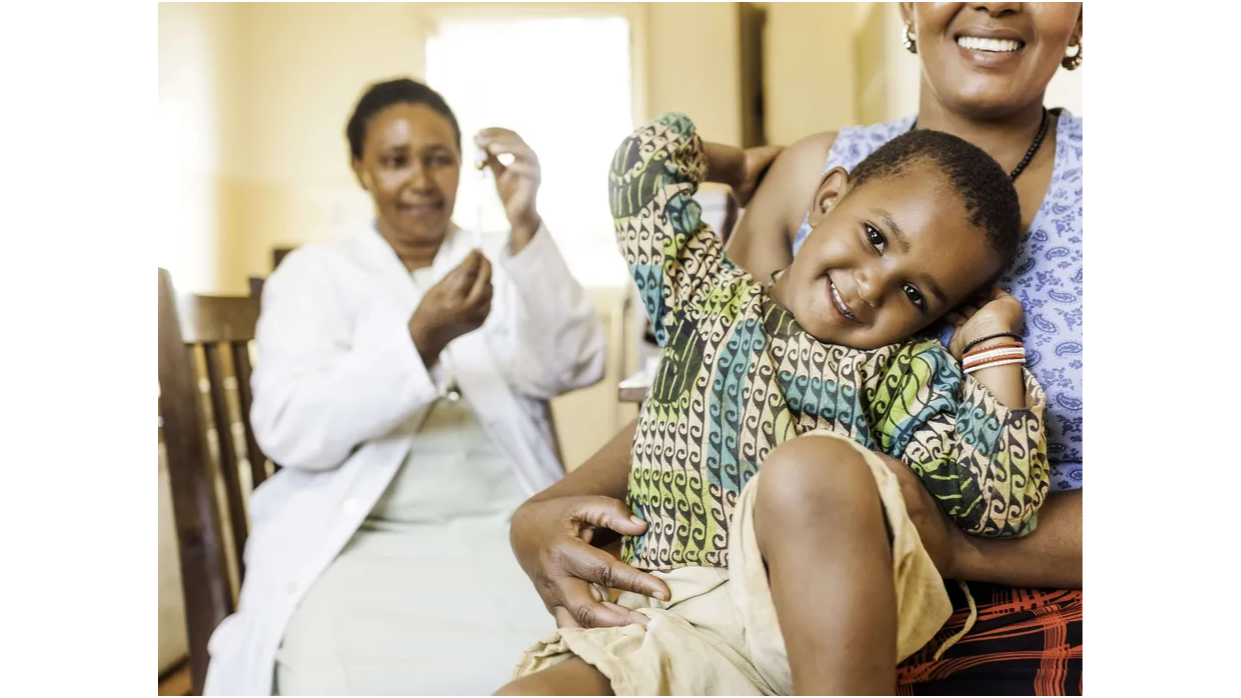
Imagine trying to immunize a nation of 200 million people—while losing the bulk of your external support within 5 years. That's the challenge Nigeria faces as it moves toward self-financing its national , following a gradual transition away from Gavi, the Vaccine Alliance.
If this transition falters, the consequences could be devastating: rising vaccine prices, disrupted supply chains, and weakened immunization systems. In short? A reversal of hard-earned gains, just as the country fights to reach millions of unvaccinated children.
These figures paint a stark picture: unless Nigeria strengthens its fiscal commitment, millions of children could be left behind—with outbreaks of preventable diseases like measles, meningitis, and polio becoming an all-too-real possibility.
The Nigerian government has a roadmap—but executing it won't be easy.
Through its 10-year Strategy for Immunization and Primary Healthcare System Strengthening (NSIPSS), Nigeria aims to improve vaccine equity, streamline funding flows, and gradually replace external support with local resources.
Proposed measures include:
If implemented effectively, these solutions could help close the funding gap while laying the groundwork for long-term sustainability.
The transition isn't just about money. It's about infrastructure, political will, and timing.
A poorly managed shift could mean:
These gaps don't just threaten immunization rates—they weaken entire health systems and endanger public trust.
To better understand what Nigeria's transition entails—and why it matters—recent public conversations have begun to highlight lessons from the ground. One such discussion brings together perspectives from Chika Offor of the Vaccine Network for Disease Control and Professor Emmanuel Alhassan, Global Health Advocacy Incubator's Nigeria Country Coordinator.
Their conversation examines what progress has been made so far, the barriers that persist, and the policy levers that could make or break the transition. Themes like political will, sub-national accountability, and the role of civil society in budget advocacy take center stage—offering a clearer picture of what sustainable, locally funded immunization could look like in practice.
Transitions like Nigeria's are never simple—but they are necessary. With the right policies, smart financing, and strong advocacy, the country has a chance to not only sustain its immunization progress but expand it.
If you're curious about how nations navigate this complex terrain, on-the-ground organizations like offer a front-row seat to the decisions shaping global health behind the scenes.


