Vaccines save millions of lives each year. But when supply chains fail—as in Kenya’s April 2025 stockouts—the impact is severe. Global experts highlight both the science and policy solutions needed to keep immunization systems strong and equitable.
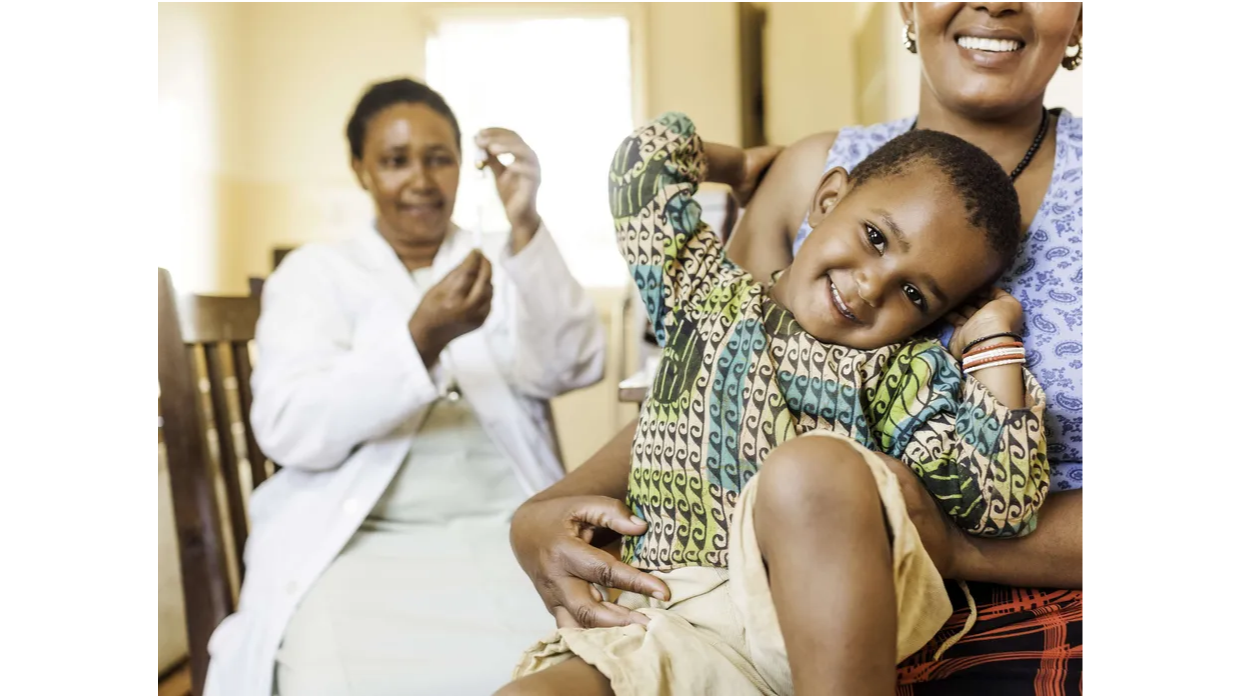
Vaccines are widely recognized as one of the most effective health interventions in history. The World Health Organization estimates that routine immunization prevents up to 5 million deaths annually, shielding children and adults alike from diseases such as diphtheria, measles, pertussis, influenza, and more.
Beyond protecting individuals, vaccines create herd immunity, reducing disease spread and safeguarding people who cannot be vaccinated for medical reasons. Childhood vaccination programs alone avert more than 1 million premature deaths each year among children under 5. (CDC)
The benefits extend far beyond health. Between 2001 and 2020, vaccination programs in low- and middle-income countries generated an estimated $820 billion in social and economic gains, with returns as high as 44x the original investment. By preventing illness, vaccines reduce healthcare costs, keep families from falling into poverty, and support stronger, more equitable societies. (PMC, 2020)
These global benefits become painfully clear when vaccination systems falter. In April 2025, 12 counties in Kenya faced widespread stockouts of routine childhood vaccines. Parents were forced to cross borders into Uganda for immunizations that should have been available in their own clinics.
Healthcare workers described the heartbreak of turning away mothers seeking life-saving shots for their children. Experts warned that gaps in coverage risk sparking measles outbreaks or allowing polio-related disabilities to return—reversing years of progress.
Kenya's situation highlights how even with a 127 billion shilling health budget, procurement delays and funding bottlenecks can disrupt supply chains. As the country prepares to transition from Gavi support by 2029, sustainable financing and stronger local systems will be essential.
At the 2025 Global Vaccine Summit, world leaders reaffirmed vaccination as a cornerstone of global health and stability.
These perspectives align with a broader consensus: maintaining high coverage is critical, and investing in resilient vaccine systems must remain a global priority.
Vaccines are also a powerful economic tool. Analyses show global net savings of over $2.7 trillion from routine childhood immunizations delivered between 1994 and 2023. By reducing infections, vaccines limit antibiotic use, helping combat antimicrobial resistance and reduce catastrophic health costs that disproportionately affect the poorest households. (CDC MMWR, 2024)
This makes vaccination not only a medical safeguard but also a driver of health equity, protecting the most vulnerable populations who are often hardest hit by preventable diseases.
Experts at the Global Health Advocacy Incubator stress that the Kenya case demonstrates the urgency of closing financing gaps and addressing supply bottlenecks. The organization highlights practical strategies—from legislative reforms to advocacy efforts by groups—that are already shaping more resilient vaccine systems.
These insights are designed for policymakers, advocates, and public health leaders working to ensure immunization remains accessible and reliable for all.
The evidence is clear: vaccines save lives, protect economies, and uphold health equity. But the systems that deliver them require constant investment, vigilance, and advocacy.
For those shaping health policy and programs, the lessons from Kenya's vaccine crisis—and the solutions global experts are proposing—offer valuable guidance.


