Discover how improper furnace filter sizing leads to airflow problems, higher energy costs, and poor indoor air quality, and how to measure for a proper fit.
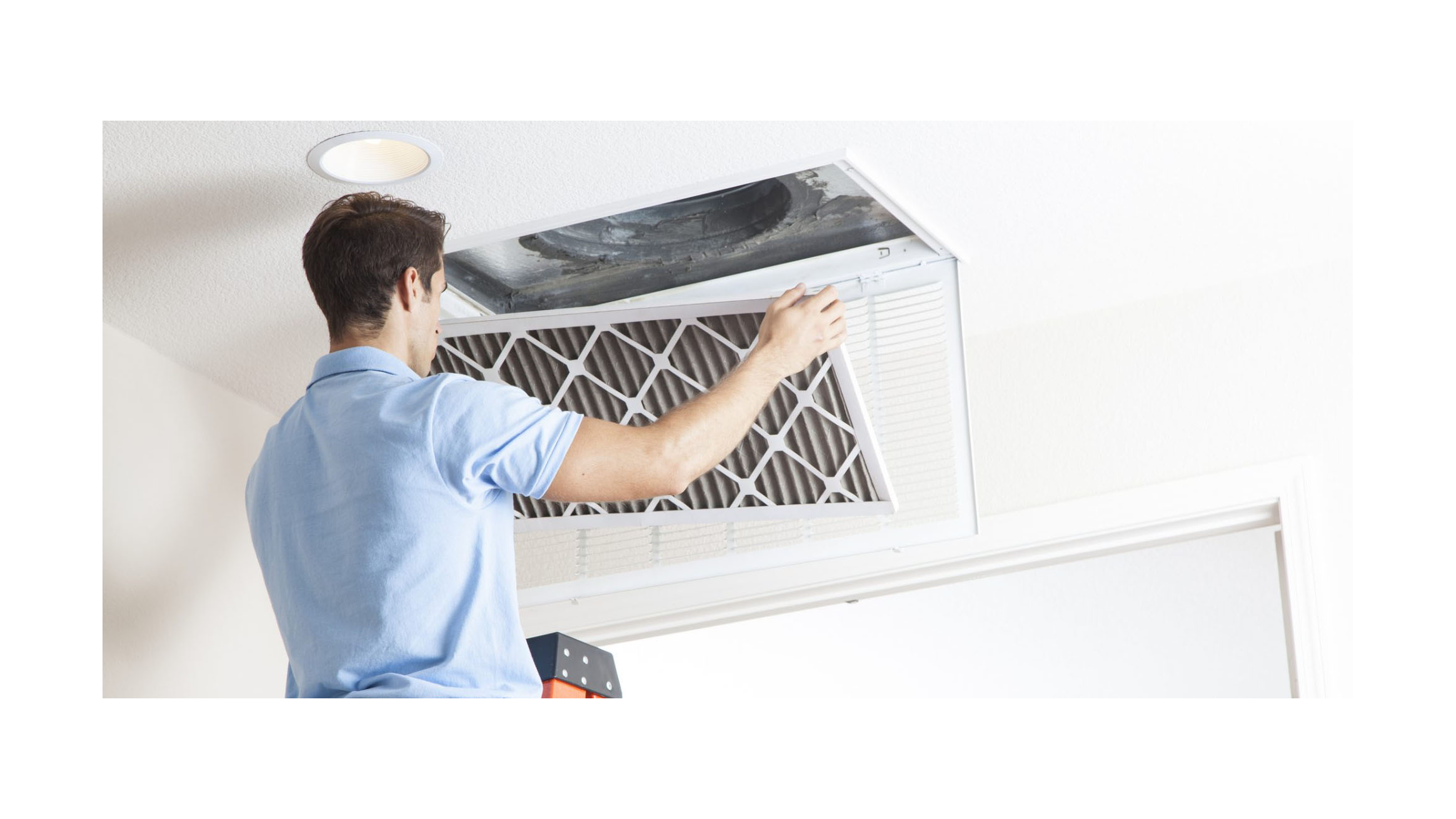
Replacing a furnace filter seems like one of the simplest home maintenance tasks, right up until a homeowner realizes the new filter doesn’t fit. A filter that’s even slightly too small leaves gaps around the edges. One that’s too large gets bent or forced into place. And a filter that “mostly fits” can end up doing more harm than good.
With older homes, discontinued HVAC models, and manufacturer variations across decades, non-standard filter sizes are far more common than most people realize.
This guide explains why the correct fit matters, the most common sizing mistakes, and why custom furnace filters are sometimes the most practical option.
A furnace filter’s job goes beyond catching dust. It plays a central role in how air moves through the HVAC system. When a filter fits perfectly, air flows evenly across the surface, particles are captured efficiently, and the blower system works at its designed pressure.
When the filter is the wrong size, even by a small margin, air takes the path of least resistance. It pushes around the filter instead of through it, dragging dust, pollen, debris, and pet dander into components that weren’t designed to handle it. Coils collect buildup; blower motors work harder, and the system becomes less efficient. What begins as a small measurement error can lead to higher heating bills and more frequent repairs.
During winter, when furnaces run for longer stretches, these issues compound quickly.
Many sizing problems come from misunderstandings about how filters are labeled or measured. Here are the mistakes homeowners run into most often, explained in plain, practical terms.
Filter packaging commonly lists rounded dimensions such as 16×25 or 20×20. But the real filter might be slightly smaller. Relying on the nominal size alone often leads to gaps or loose placement.
If the previous filter was already incorrect, measuring it simply repeats the error. The filter slot or housing opening offers the true dimensions.
A tight squeeze bends the frame, warps the media, and leaves air channels along the edges, creating the exact bypass problem a filter is meant to prevent.
Even a small half-inch gap around the perimeter gives dust and debris a direct route into coils and internal components.
Two filters labeled with the same nominal size can differ slightly in actual dimensions, depending on the manufacturer.
Stores stock common sizes, but HVAC systems across the U.S. use dozens more, especially in older homes or custom installations.
These problems are easy to overlook but have long-lasting consequences for system efficiency and indoor air quality.
There’s nothing unusual about having a furnace filter size that is not sold in stores. Many older or specialty systems were installed with dimensions that predate today’s retail standards. Some manufacturers designed proprietary housings for specific models, and homes with retrofitted ductwork or unique return-air configurations may not use standard dimensions at all.
Commercial buildings, multi-zone systems, and certain high-efficiency units also require specific sizing that is not mass-produced. Even subtle variations, fractions of an inch, affect whether a filter seals tightly or leaves channels for unfiltered air.
The result is that a large number of HVAC systems in perfectly functioning homes require filter sizes that simply aren’t available on store shelves.
Using the wrong size filter affects more than dust levels. It can change how the entire system operates.
Air bypass: When a filter doesn’t seal fully, air slips around the edges and deposits dust directly onto sensitive parts of the system.
Reduced efficiency: Clogged coils or impaired airflow force the furnace to work harder, raising energy consumption.
More frequent repairs: Dust on blower blades, heat exchangers, or motors accelerates wear and affects temperature regulation.
Higher heating costs: Systems with poor filtration often have longer run times, especially in colder months.
Poor indoor air quality: Particles that should be captured end up recirculating throughout the home.
A correctly sized filter avoids these issues and keeps the system operating as intended.
If standard filters don’t fit properly, the most effective solution is often a custom-sized filter built to match the furnace’s exact dimensions. Custom filters are made to the specific height, width, and thickness required, usually with tolerances as tight as one-eighth of an inch.
This precision ensures that air moves through the filter media instead of around it. For homeowners with older HVAC systems, discontinued furnace models, or unusually shaped filter slots, custom sizing eliminates the frustration of trial-and-error purchases and the hidden costs of improper filtration.
Measuring accurately is the key to getting a proper fit. The process is simple but needs to be done carefully.
These steps ensure the next filter seals properly and performs as expected.
Homes with pets, indoor smoke exposure, or high dust levels may need more frequent replacements. Filters also clog faster during winter when furnaces run for longer periods. Higher-MERV filters capture finer particles but can load up more quickly. And custom filters, because they seal tightly, may reveal airflow restrictions sooner when they need replacement.
Monitoring performance and replacing filters early helps maintain both system health and indoor air quality.
So, furnace filters may seem like small, inexpensive components, but the difference between a proper fit and an “almost right” one can have a significant impact on heating costs, system lifespan, and household air quality. Many homes rely on custom filter sizes without realizing it, leading to repeated sizing errors and reduced efficiency.


