When a dog pants heavily while resting, it may appear harmless—but veterinarians caution that breathing rates exceeding 40 breaths per minute can signal serious health problems requiring immediate care.
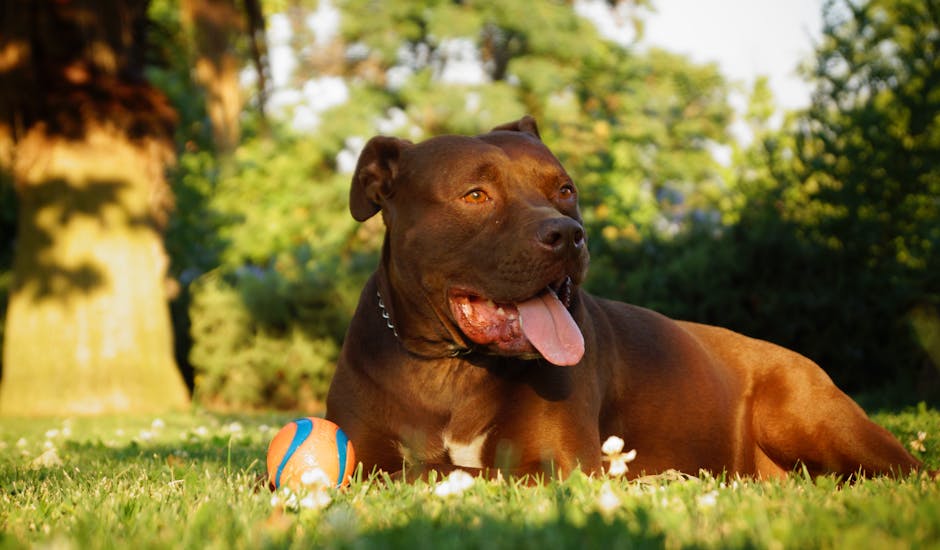
Recent veterinary research shows that more than 56% of dogs display stress-related panting during clinical visits, underscoring how common this reflex is in both healthy and anxious animals (ScienceDirect, 2022). Across North America, veterinarians report that respiratory concerns—including heavy or irregular panting—remain among the top reasons for consultation, especially during hotter months (Frontiers in Veterinary Science, 2022).
Pet wellness specialists at Bailey's CBD note that while panting is essential for regulating body temperature, identifying when it becomes excessive or abnormal can prevent serious complications. Experts also emphasize that observing breathing patterns during rest can reveal early signs of heat stress, pain, or underlying illness.
Dogs regulate body temperature through panting because they possess only a limited number of sweat glands, located mainly in their paw pads. As air moves rapidly over moist tissues in the mouth, tongue, and upper respiratory tract, moisture evaporates and cools circulating blood—an efficient alternative to sweating.
Rapid, shallow breaths increase during activity, play, or exposure to warm conditions. Panting also arises in emotional states such as excitement or stress, triggered by factors like loud noises or unfamiliar environments.
Normal panting remains steady and proportional to exertion or heat, subsiding once a dog’s temperature returns to baseline. Understanding this pattern allows owners to identify shifts that might signal discomfort or illness.
Persistent panting in cool, calm settings often points to underlying medical problems that require veterinary assessment. Unlike normal panting, which follows exertion or heat, abnormal panting appears without clear cause and continues even after a dog is comfortable. Recognizing these shifts can help prevent serious complications.
Panting commonly signals pain. Sprains, fractures, or internal injuries can trigger heavy breathing even when a dog seems relaxed. Chronic ailments such as arthritis, dental pain, or pancreatitis may produce the same reaction as the body struggles to cope with ongoing discomfort.
Pain-related panting often coincides with behavioral or postural changes—hesitation to move, loss of appetite, or awkward positioning. Dogs may stretch their necks, splay elbows outward, or hold tense stances while breathing rapidly. These subtle cues, paired with unexplained panting, merit prompt veterinary evaluation.
Heatstroke causes dangerously intense panting that worsens as internal temperature rises. Unlike ordinary cooling panting, this type sounds strained and frantic, indicating that the dog can no longer regulate body heat effectively.
Critical symptoms include pale, bluish, or bright-red gums, thick drool, weakness, and collapse. Immediate cooling and emergency veterinary care are essential; delays can be fatal.
Cardiac disease forces dogs to pant as their hearts work harder to circulate oxygen. Conditions such as congestive heart failure create fluid buildup that makes breathing difficult, prompting compensatory panting—often more pronounced at night or when lying down.
Respiratory problems like pneumonia, laryngeal paralysis, or asthma-type inflammation have similar effects, reducing airflow and oxygen exchange. Persistent panting accompanied by coughing, fatigue, or blue-tinged gums signals an urgent need for professional diagnosis.
Stress activates a fight-or-flight response, releasing hormones that raise heart rate and respiration. Short bouts of panting during thunderstorms or car rides are usually harmless, but chronic anxiety can keep dogs in a heightened state even at rest.
Anxious dogs may also pace, hide, or show destructive behavior. Experts note that consistent behavioral therapy and, when appropriate, medication can ease anxiety and reduce associated panting.
Flat-faced breeds such as Pugs, Bulldogs, Shih Tzus, French Bulldogs, Boston Terriers, Boxers, and Cavalier King Charles Spaniels often struggle with Brachycephalic Obstructive Airway Syndrome. Their shortened snouts and narrowed airways make breathing less efficient, so they pant more often than long-muzzled dogs. The same structure that gives them their signature look also limits temperature regulation and raises overheating risk.
These dogs naturally breathe with louder, raspier sounds that might seem alarming in other breeds. Still, any shift from their usual rhythm—labored breathing, new noises, or visible effort—deserves prompt veterinary attention. Bailey's CBD note that careful observation during warm weather and avoidance of intense exercise are essential for brachycephalic dogs.
Large and overweight dogs pant more because greater body mass generates additional heat. Giant breeds such as Great Danes or Saint Bernards need extra evaporative cooling to maintain safe body temperatures. Likewise, excess fat traps heat and hinders airflow, forcing overweight pets to work harder to breathe comfortably.
Weight management often reduces unnecessary panting by easing strain on the heart and lungs. However, a sudden increase in breathing effort among big or heavy dogs can indicate cardiovascular stress. Consistent monitoring and routine veterinary checks remain the best way to tell ordinary exertion from emerging disease.
Anemia limits a dog's ability to carry oxygen through the bloodstream, forcing the body to compensate with faster breathing. Excessive panting during rest is one of the earliest signs. The condition may result from blood loss, chronic illness, or bone-marrow disorders that reduce red-cell production.
Affected dogs often show pale gums, weakness, and lethargy in addition to heavy panting. Because oxygen delivery is compromised, breathing remains rapid even when the animal is calm. Routine blood tests confirm anemia and help veterinarians identify the underlying cause for targeted treatment.
In dogs with Cushing's disease, the adrenal glands release too much cortisol—the body's main stress hormone. Elevated cortisol interferes with temperature regulation and triggers continuous panting along with increased thirst and urination.
Typical signs include a pot-bellied shape, thinning coat, and heightened appetite. Middle-aged and senior dogs are most at risk. Early hormone testing enables treatment plans that stabilize cortisol levels and ease panting and related symptoms.
Certain drugs can also heighten breathing rates. Corticosteroids such as prednisone are frequent culprits; by imitating stress hormones, they provoke panting even in cool or quiet settings. The effect often begins within days of starting therapy and persists until dosage changes or the course ends.
Other prescriptions—including select painkillers, cardiac drugs, and seizure medications—may cause similar reactions. Specialists recommend discussing possible side effects with a veterinarian whenever new medication is introduced and reporting any unusual breathing patterns promptly.
Some panting episodes signal true emergencies that cannot wait for a regular appointment. Changes in gum color—pale, blue, bright red, or purple—show oxygen deprivation that can become fatal within minutes. Collapse, weakness, or an inability to stand while breathing heavily often points to a serious cardiovascular or respiratory event.
Forced, strained breathing—especially when a dog extends its neck or spreads its elbows for air—signals acute respiratory distress. Heavy drooling paired with frantic panting can accompany heatstroke or toxin exposure. In these cases, every minute counts; rapid cooling and swift transport to a clinic can save a life.
Dogs that seem disoriented or unresponsive while panting may be experiencing low oxygen or neurological distress. Bailey's CBD emphasize that any sudden, intense panting without an obvious cause warrants an emergency call to a veterinarian. Acting quickly is always safer than waiting for symptoms to worsen.
Tracking a dog's natural breathing pattern helps identify early signs of trouble. To establish a baseline, count each rise and fall of the chest for one full minute while the dog is asleep or completely relaxed. Normal resting rates for healthy adults range between 15 and 30 breaths per minute.
Anything above 40 breaths per minute at rest can suggest an underlying problem that deserves a veterinary check. Puppies and very small breeds may breathe slightly faster, but consistently high numbers outside breed norms should be investigated. Recording several readings at different times builds a clearer picture of what "normal" looks like for each individual dog.
Pay attention not only to rate but also to quality—depth, rhythm, and effort. Labored, shallow, or uneven breathing during quiet rest may indicate emerging heart or lung issues.
Pet-wellness educators at note that regular observation helps detect subtle shifts before they escalate into emergencies, supporting long-term respiratory and overall health.


