Mosquitoes carry serious diseases like West Nile virus—but which treatment method actually works best for your property? From 3-week barrier sprays to innovative biological traps, the differences in cost, duration, and effectiveness might surprise you.
Mosquitoes pose serious health risks across the country, carrying diseases like West Nile virus and Eastern Equine Encephalitis. With multiple treatment options available, homeowners need clear guidance on which methods deliver the best protection for their specific situations and budgets.
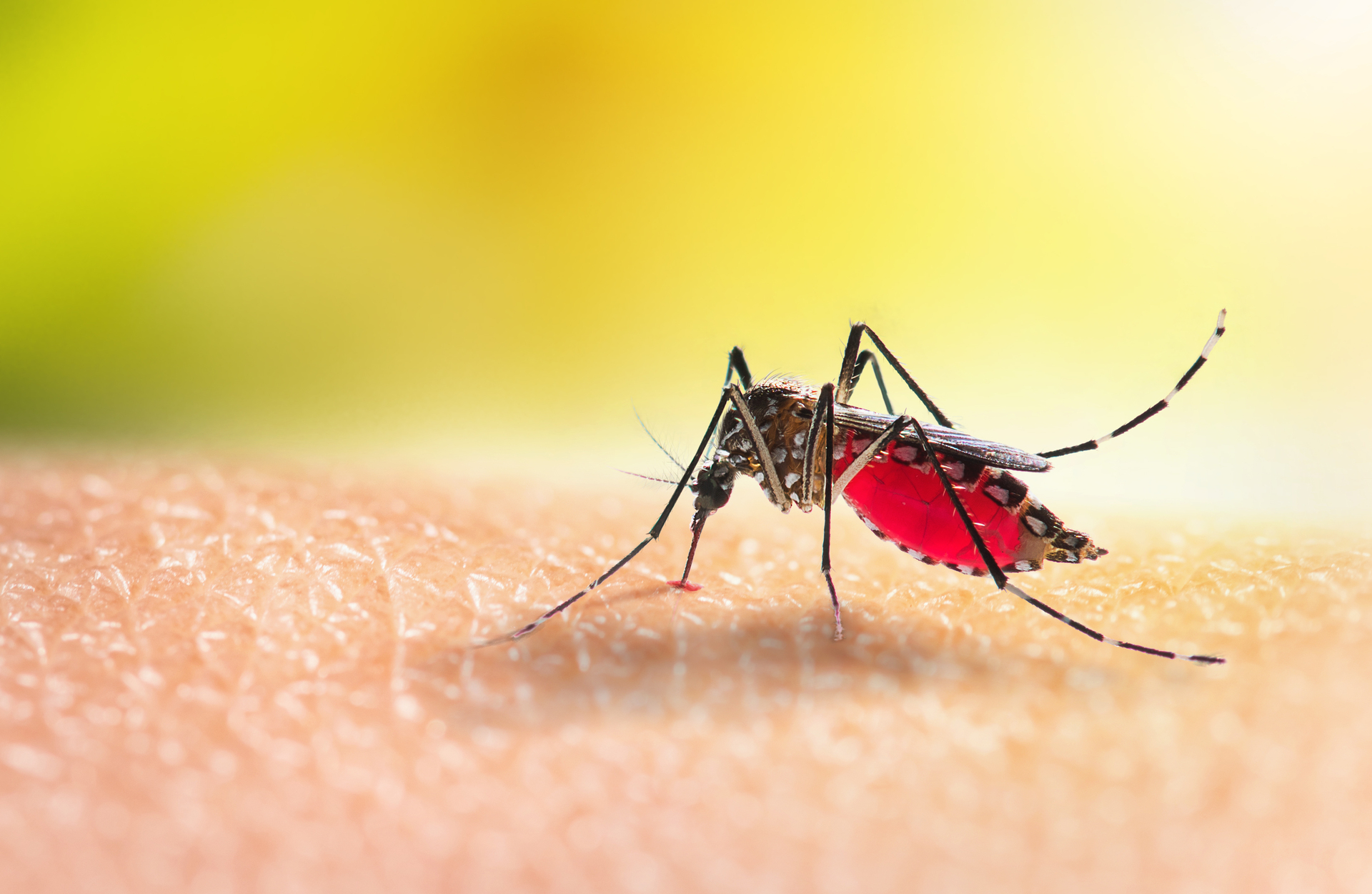
Warmer regions of the United States face significant mosquito-borne disease threats throughout the warm months. Local health departments monitor mosquito populations for dangerous pathogens, including West Nile virus and Eastern Equine Encephalitis found in mosquito populations across the region. These aggressive daytime biters breed in tiny water containers around homes, making them particularly difficult to control without professional intervention.
Aedes mosquitoes, which are vectors for Zika, dengue, and chikungunya viruses, have established populations throughout the region. For families with children, pregnant women, elderly members, or those with compromised immune systems, effective mosquito control isn't optional—it's health protection. Luckily, some local companies, like Connor's Pest Pros, provide homeowners with same-day availability and proven treatment protocols for residents.
The Centers for Disease Control and Prevention recommends using EPA-registered treatments and eliminating standing water as key strategies for mosquito control. Professional services combine these approaches with targeted chemical applications to minimize pesticide use while maximizing protection effectiveness.
Barrier spray treatments remain a common and effective method used by professional mosquito control companies. These treatments involve applying liquid insecticides to vegetation and resting areas where mosquitoes congregate. Pyrethroid insecticides, synthetic versions of natural compounds found in chrysanthemums, create an invisible barrier that kills mosquitoes on contact while providing residual protection.
The application process targets shrubs, trees, tall grass, and other areas where mosquitoes rest during daylight hours. When mosquitoes land on treated surfaces, they absorb the insecticide through their legs and body, leading to rapid elimination. This method effectively reduces adult mosquito populations while creating protective zones around treated areas.
Professional barrier spray treatments typically cost between $100-$160 for average residential properties under half an acre. Premium services including larvicide application in standing water sources may increase costs by $25-$50 per treatment but provide more protection. Most companies establish pricing tiers based on property size, with incremental increases for larger areas.
Coverage effectiveness depends on proper application techniques and thorough treatment of mosquito resting areas. Professional technicians identify optimal spray locations during property inspections, ensuring maximum impact from each treatment. Property owners can expect up to 90% mosquito reduction within treated areas when applications are performed correctly.
Environmental factors significantly influence barrier spray effectiveness and duration. Heavy rainfall can wash away treatments prematurely, reducing protection from the expected 21-day window to as little as 10-14 days. High temperatures can accelerate mosquito breeding cycles, potentially overwhelming treated areas with new populations.
Humidity levels also affect treatment longevity, with humid conditions potentially reducing residual effectiveness. Professional services often adjust treatment schedules based on local weather patterns, recommending more frequent applications during particularly wet or hot periods.
In-ground misting systems offer automated mosquito control through strategically placed nozzles that release timed bursts of insecticide. These systems typically activate 2-3 times daily during peak mosquito activity periods—early morning and late evening hours when mosquitoes are most active. The fine mist application covers larger areas more consistently than manual treatments.
Advanced systems include programmable timers and weather sensors that adjust application schedules based on environmental conditions. Some models feature remote control capabilities, allowing property owners to activate treatments before outdoor events or adjust timing based on mosquito activity levels.
Misting system installation requires significant upfront investment, often ranging from $1,200-$3,500 depending on property size and system complexity. Professional installation involves trenching for underground lines, strategic nozzle placement, and integration with control systems. Installation duration varies based on property characteristics and system specifications.
Regular maintenance includes refilling insecticide reservoirs, checking nozzles for clogs, and seasonal system winterization. Monthly service contracts typically cost $30-$50 and ensure optimal system performance. While expensive initially, misting systems provide the most consistent protection for properties with severe mosquito problems.
Natural mosquito control treatments utilize essential oils like citronella, peppermint, and cedarwood, which act as repellents with some insecticidal properties. These treatments appeal to homeowners with chemical sensitivities, organic gardens, or environmental concerns about synthetic pesticides. Natural formulations provide safer options around children, pets, and beneficial insects.
However, essential oil-based treatments typically offer shorter protection windows compared to conventional options. While synthetic barriers last 21 days, natural alternatives usually require more frequent reapplication for maintained effectiveness. This increased frequency can result in higher seasonal costs despite lower per-treatment pricing.
Natural treatments break down more rapidly in outdoor environments, particularly under intense sunlight and rainfall. Essential oils evaporate quickly, reducing residual effectiveness and requiring more frequent applications to maintain protection levels. Property owners choosing natural options must commit to more intensive treatment schedules throughout the mosquito season.
Despite limitations, natural treatments work well for light mosquito pressure and environmentally sensitive areas. They complement other control methods effectively, providing additional protection between synthetic treatments or serving as maintenance applications for specific problem areas.
The In2Care® Mosquito Trap represents innovative mosquito control technology that targets Aedes and Culex mosquitoes specifically. This ovitrap system attracts female mosquitoes seeking egg-laying sites, then contaminates them with biological agents including larvicide and fungal spores. Contaminated mosquitoes carry these agents to other breeding sites, creating a spreading effect that eliminates larvae across multiple locations.
The system exploits Aedes mosquito behavior patterns, particularly their preference for artificial containers and multiple egg-laying sites. When mosquitoes visit the trap, they contact treated surfaces and become unwitting carriers of biological control agents. This approach targets mosquito reproduction directly while avoiding broad-spectrum chemical applications.
The In2Care® system uses bee-safe biological agents that selectively target mosquito larvae and adults. The larvicide prevents mosquito development without harming beneficial insects, making it ideal for properties with pollinator gardens or beehives nearby. This selectivity addresses environmental concerns while maintaining effective mosquito control.
The fungal component attacks adult mosquitoes gradually, allowing them time to visit multiple breeding sites before dying. This delayed action maximizes the spreading effect, creating area-wide mosquito population reduction from strategic trap placement. The biological approach offers sustainable control with minimal environmental impact.
Community-wide implementation of In2Care® traps in Florida demonstrated significant population reduction of Aedes aegypti mosquitoes. The study showed measurable decreases in mosquito populations and reduced arbovirus transmission risk across treated areas. These results support the system's effectiveness for managing disease-carrying mosquito species in residential environments.
The technology proves particularly valuable for controlling container-breeding mosquitoes that traditional barrier sprays miss. By targeting breeding behavior specifically, In2Care® systems complement conventional treatments while addressing mosquito control gaps that other methods cannot reach effectively.
Individual mosquito treatments in typically range from $100-$160 for standard residential properties. Pricing varies based on property size, treatment complexity, and specific services included. Basic barrier spray applications fall at the lower end of this range, while treatments including larvicide application and breeding site management command higher prices.
Rush treatments may carry premium pricing above standard rates for same-day service. Property size significantly influences costs, with treatments for lots over half an acre requiring proportional price increases based on coverage area.
Seasonal mosquito control packages offer substantial savings compared to individual treatments. Most companies provide 10-20% discounts for full-season commitments, reducing per-treatment costs significantly. These packages typically include 6-8 treatments from April through October.
Package pricing often includes additional services like breeding site inspections, larvicide applications, and guarantee provisions for retreatment if mosquitoes return prematurely. The consistent scheduling helps maintain protection levels while providing budget predictability for homeowners.
Treatment costs scale directly with property dimensions, as larger areas require more material and application time. Standard pricing covers properties up to half an acre, with additional costs for larger properties. Very large properties may qualify for volume discounts or flat-rate pricing caps.
Complex landscaping with dense vegetation, water features, or multiple structures can increase treatment costs regardless of total acreage. Professional companies assess these factors during initial inspections to provide accurate pricing estimates that reflect actual treatment requirements.
Effective mosquito control requires understanding the strengths and limitations of different treatment methods. Barrier sprays offer proven 3-week protection for most situations, while natural alternatives provide environmentally conscious options with more frequent application needs. In-ground misting systems deliver automated convenience for severe infestations, and innovative solutions like In2Care® target specific mosquito species with minimal environmental impact.
Successful mosquito management often combines multiple approaches based on property characteristics, environmental concerns, and protection goals. Professional pest control services bring expertise in method selection, proper application techniques, and integrated strategies that maximize effectiveness while minimizing costs and environmental impact.
The choice between single treatments and seasonal packages depends on property mosquito pressure and budget considerations. While emergency treatments provide temporary relief, consistent seasonal programs deliver better value and sustained protection throughout the mosquito season.


