You just picked up your teenager’s new prescription glasses – again. The numbers keep climbing every year, and you’re starting to wonder if there’s more you should be doing than just buying stronger lenses.
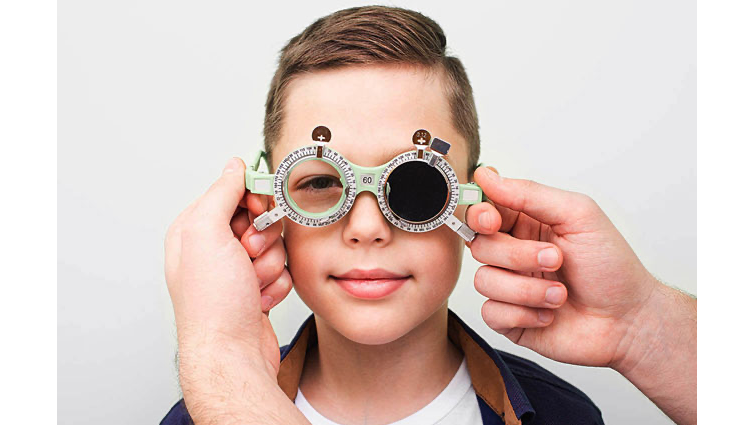
Another eye exam, another prescription increase. If you're tired of watching your teen's glasses get thicker every year while they squint at distant objects, here's what you can do.
But first, those regular glasses you keep buying are only fixing half the problem. Sure, they correct blurry vision in the moment, but eye care experts say they don't address the underlying cause of myopia progression.
Myopia happens when your teen's eyeball grows too long, causing light to focus in front of the retina instead of directly on it. During the teenage years, when bodies are growing rapidly, eyes often grow too much. Each growth spurt can result in another increase in prescription.
Glasses correct the blurriness, but they do not send any signal to the eye to slow its growth. As a result, vision often worsens steadily throughout adolescence. from the National Institutes of Health shows that nearly one in three Americans between the ages of twelve and fifty-four is nearsighted, and the numbers continue to rise among children and teens.
If your teen's myopia keeps progressing, it increases their risk of serious eye conditions later in life. Retinal detachment, glaucoma, and macular degeneration are all conditions commonly associated with high myopia.
These conditions can potentially threaten your child's vision permanently, and that's why understanding this risk and how to slow myopia progression during the teenage years is so important.
Fortunately, there are treatments developed to correct blurry vision and address the factors that drive myopia progression. Eye care professionals may recommend several approaches depending on the child's age, prescription, and lifestyle.
Specialized contact lenses such as MiSight® 1-day have been shown in clinical studies to slow the progression of myopia by nearly sixty percent. These lenses are worn daily like standard contacts, but their optical design helps control eye growth.
Another option is orthokeratology (Ortho-K), which involves wearing specially designed contact lenses overnight. They gently reshape the cornea while the child sleeps, providing clear vision during the day without glasses or contacts. At the same time, the treatment helps reduce the rate of myopia progression.
For children who may not be ready for contact lenses, low-dose atropine eye drops offer another approach. Used once daily, typically at night, these drops can slow eye growth and reduce prescription increases without affecting daytime vision.
The earlier these treatments are introduced, the greater their potential impact on slowing progression, since the eyes are still developing and far more responsive to treatment. Moreover, because the options are generally easy to adapt into a daily routine, most children adjust quickly and continue with them successfully.
If you are concerned about your teen’s vision getting worse, start by discussing myopia control with your eye care provider.
Ask whether your child’s prescription is changing more quickly than average, which treatments might be most effective for their lifestyle, and how options such as MiSight lenses, Ortho-K, or atropine drops could fit into their care plan.
You may also want to ask whether insurance provides coverage for these treatments, since costs can vary.
Myopia control treatments can make a real difference in slowing progression and protecting long-term eye health. The key, however, is acting while your teen's eyes are still developing.
Eye care professionals like those at A2Z Eyecare can evaluate your child and recommend treatments that can help slow progression while fitting into their lifestyles.
Acting now could save your teen from years of worsening prescriptions and protect their vision for life.


