Why are industrial power generators becoming a hot item? With a strained U.S. grid, generators may soon be a fixture for businesses nationwide as outages grow more frequent and costly.
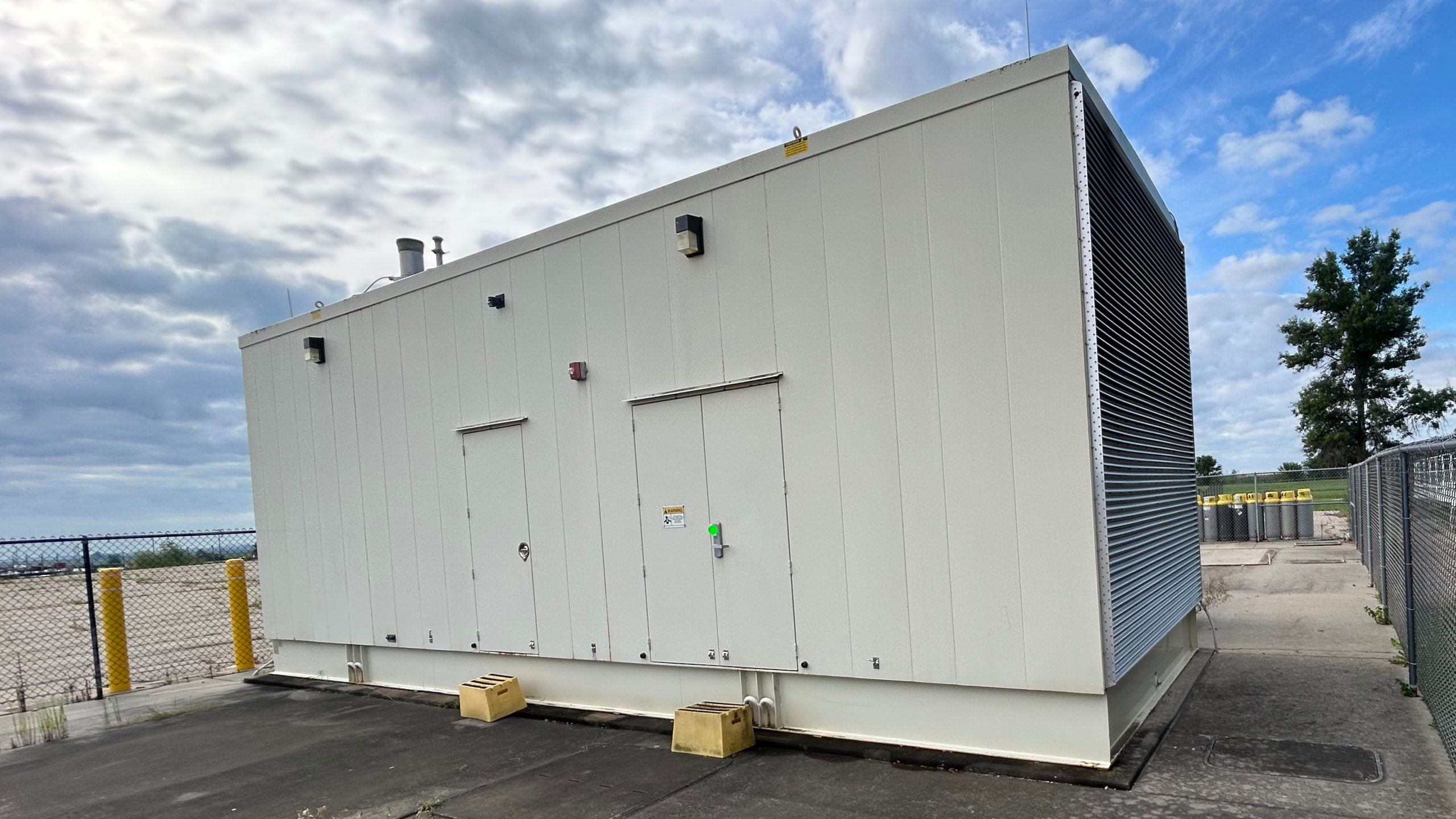
The U.S. electricity grid, once regarded as one of the most dependable in the world, shows signs of strain. A recent Department of Energy report warned of an imbalance between supply and demand, caused by a complex combination of factors: the retirement of power plants, delays in new capacity, and the skyrocketing energy requirements of AI-driven data centers. The most likely outcome is a scenario where outages become more common, disruptive, and costly.
The analysis cites several factors behind the growing risk: the retirement of baseload plants, delays in bringing new generation online, and the skyrocketing energy demands of AI-driven data centers. Together, these pressures could push annual outage hours from today’s single digits to more than 800 hours per year — a scenario that would leave millions of households and businesses vulnerable.
“Hospitals, manufacturers, logistics providers, and even small retailers will not be spared,” says a spokesperson from Midwest Engines & Generators, an industrial generator supplier seeing increased demand. “A single power interruption can halt production lines, disrupt customer transactions, and damage sensitive equipment.”
The instinct is to view backup power as the domain of large industrial players. In reality, generators are increasingly a necessity across the full spectrum of U.S. business.
They provide not only continuity but also resilience in a time when the DOE warns that outages could rise by 100-fold by 2030. “For manufacturers, they prevent production bottlenecks and protect against contractual penalties. For hospitals, they are essential to patient safety and compliance,” says a spokesperson from Midwest Engines & Generators. “Even small businesses — restaurants, clinics, and local shops — stand to lose substantial revenue and customer trust during blackouts.”
Thankfully for smaller players, today’s generator market spans a wide range of sizes and price points. Compact units - some starting at 4 kW capacity - allow independent businesses to maintain essential operations at a manageable cost. Many suppliers also provide refurbished units, lowering the entry barrier while maintaining reliability.
“Backup power is no longer just an emergency tool,” the spokesperson adds. “It’s becoming a form of operational insurance. Businesses that invest in this capacity are, in effect, buying time, flexibility, and control over their exposure to the nation’s growing energy risks.”
As the risk of outages grows, suppliers like Midwest Engines & Generators are seeing a clear uptick in demand. The company, which carries units from leading brands such as MTU, Caterpillar, and ASCO, reports increasing orders from both large facilities and smaller enterprises.
According to the company, its refurbished used inventory has become especially attractive, enabling businesses with smaller budgets to secure reliable generation capacity at a fraction of the cost.
“This uptick is a sign of things to come,” the spokesperson concludes. “Utilities no longer guarantee reliability - it’s a responsibility business owners must secure for themselves.”


