Florida homeowners spending thousands on failed DIY epoxy floors share one thing in common: they didn’t know about moisture vapor testing. Professional installers reveal why Central Florida’s humidity destroys most garage floor projects—and the specific preparation step that prevents $10,000+ repair bills.
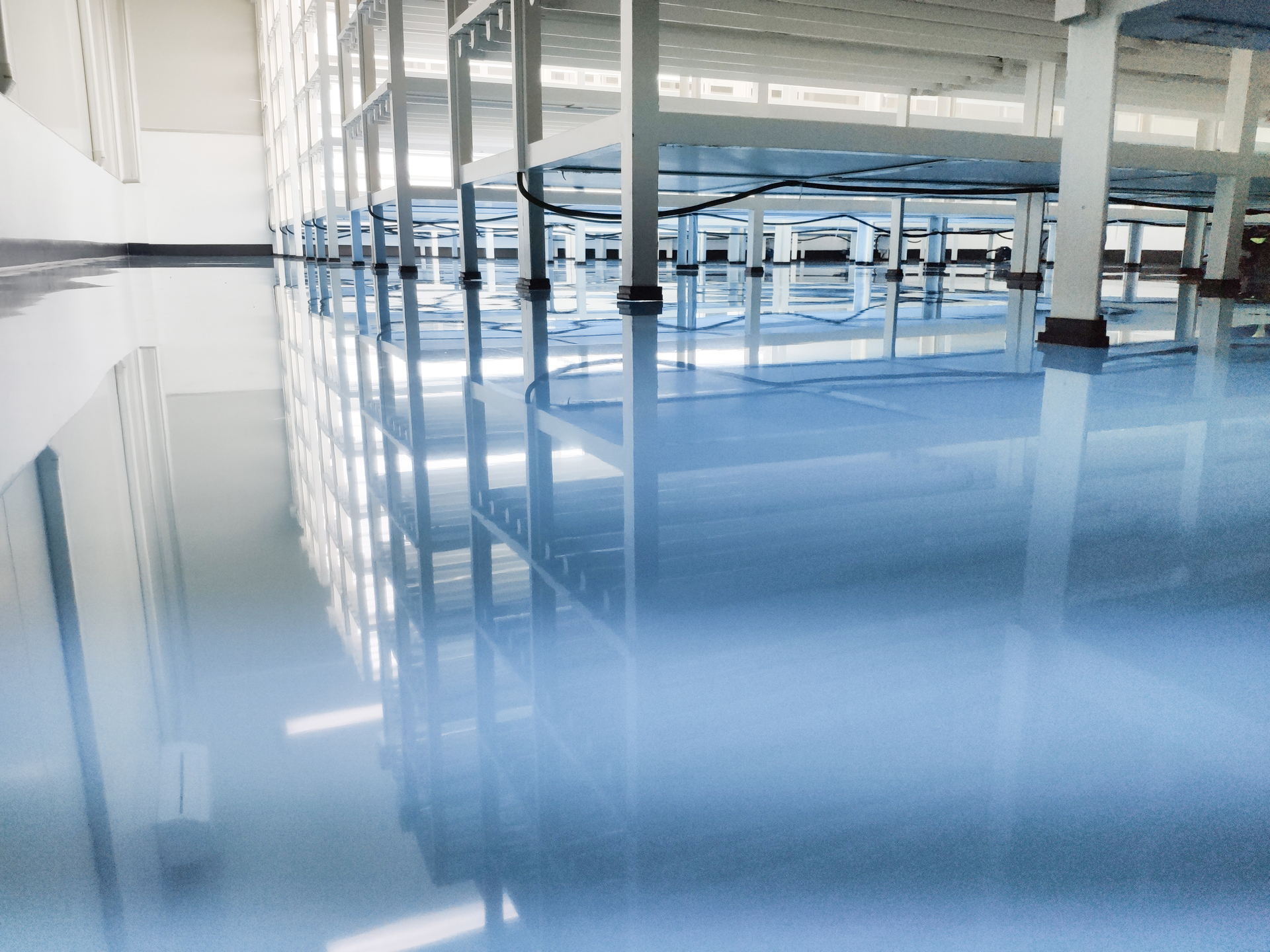
Property owners throughout Central Florida face a common challenge of finding flooring solutions that can withstand the region's unique climate while delivering long-term value. Epoxy flooring ranks high on these requirements, but success depends entirely on understanding when, where, and how to implement it properly.
Professionally installed epoxy flooring represents one of the most cost-effective property improvements available to Central Florida homeowners and business owners. Unlike cosmetic upgrades that may appeal to some buyers, epoxy flooring addresses fundamental concerns about durability, maintenance, and aesthetic appeal that resonate across nearly all property types.
The value proposition extends beyond simple aesthetics. Epoxy transforms concrete surfaces into seamless, non-porous floors that resist stains, impacts, and daily wear while requiring minimal maintenance. This combination of practical benefits and visual appeal creates what real estate professionals call the "wow factor" - particularly in spaces like garages, basements, and commercial areas where buyers often expect to see worn, stained concrete.
The financial returns reflect this broad appeal as properly installed systems have been shown to improve property marketability.
Moisture vapor transmission through concrete slabs ranks as the leading cause of epoxy failure in humid climates like Lakeland's. Unlike drier regions where concrete remains relatively stable, Florida's year-round humidity can push moisture up through concrete pores, creating bonding issues that manifest as bubbling, peeling, or complete delamination.
Professional installers address this through detailed moisture testing using calcium chloride tests or relative humidity probes. These tests reveal moisture levels that might not be visible but can destroy an epoxy installation within months. When moisture levels exceed manufacturer specifications, proper vapor barriers or specialized primer systems become essential - steps that DIY approaches typically overlook.
The area's soil conditions contribute to concrete movement and cracking patterns that affect epoxy performance.
Experienced contractors understand how to identify and address these movement patterns. This includes proper crack repair techniques, realistic expectations about future movement, and selection of epoxy systems with appropriate flexibility characteristics. The goal isn't to prevent all future cracking - it's to manage it in ways that preserve the flooring system's integrity and appearance.
Florida's intense heat creates specific challenges for garage epoxy installations. Hot-tire pickup occurs when vehicle tires, heated by hot pavement and garage surfaces, bond to epoxy coatings and pull away sections when the vehicle moves. This problem becomes particularly severe during summer months when tire temperatures can exceed 150°F.
Professional installation addresses this through UV-stable topcoats, appropriate cure schedules, and system selection designed for high-temperature performance. These solutions add minimal cost during installation but prevent failures that can require complete system replacement.
Understanding epoxy flooring costs requires looking beyond simple square footage pricing to the factors that drive real-world installation expenses. The $3-12 per square foot range reflects significant variations in surface preparation requirements, system complexity, and performance expectations.
Surface preparation typically represents 30-50% of total installation costs and varies dramatically based on existing concrete conditions. Basic diamond grinding for clean, stable concrete might cost $2-3 per square foot, while extensive preparation involving crack repair, oil stain removal, and moisture mitigation can reach $6-8 per square foot or more depending on severity.
The preparation phase cannot be compromised without risking system failure. This includes mechanical grinding to create proper surface profile, thorough cleaning to remove contaminants, and repair of existing damage. Contractors who cut corners on preparation often deliver systems that fail within the first year, creating costs that far exceed the savings from reduced preparation.
Epoxy system selection significantly impacts both initial costs and long-term performance. Basic two-coat systems suitable for light residential use start around $3-5 per square foot, while industrial-grade systems with specialized topcoats can reach $8-12 per square foot.
The performance differences justify the cost variations. High-end systems offer superior chemical resistance, UV stability, and impact resistance that prove essential in demanding applications. For commercial kitchens, manufacturing facilities, or high-traffic retail spaces, the additional investment in premium systems typically pays for itself through reduced maintenance and extended service life.
Experts from Florida-based contractor Lakeland Epoxy Flooring explain that successful epoxy installations require matching system capabilities to application demands. While epoxy offers impressive versatility, certain environments showcase its strengths most effectively.
Manufacturing plants, laboratories, and industrial facilities represent epoxy's natural habitat. These environments demand flooring that can withstand chemical spills, heavy machinery traffic, and frequent washdowns while maintaining a safe, clean appearance. Epoxy's seamless surface eliminates joints and cracks where contaminants can accumulate, while its chemical resistance protects the underlying concrete from damage.
The economic benefits become particularly clear in facilities where floor failure can shut down operations. A properly installed epoxy system can increase light reflectivity by up to 300%, reducing lighting requirements and improving worker safety. The combination of durability, safety, and operational benefits makes epoxy a clear choice for most industrial applications.
Residential garages present unique requirements that highlight epoxy's advantages over paint or bare concrete. These spaces endure vehicle traffic, tool drops, chemical spills from automotive fluids, and temperature extremes that quickly destroy lesser flooring options.
Quality epoxy systems transform garages from utilitarian spaces into attractive, functional areas that improve overall home appeal. The stain resistance means oil drips and other automotive fluids clean up easily, while the impact resistance handles dropped tools and equipment without damage. For active homeowners, these practical benefits often prove more valuable than the aesthetic improvements.
Food service environments demand flooring that combines hygiene, safety, and durability in ways that showcase epoxy's strengths. The seamless, non-porous surface prevents bacterial growth while resisting the oils, acids, and cleaning chemicals common in kitchen environments.
Epoxy flooring in commercial kitchens can significantly improve hygiene standards while reducing maintenance time. The seamless surface eliminates grout lines and joints where food particles and bacteria previously accumulated, while the chemical resistance allows for aggressive cleaning protocols without floor damage.
The cost differential between professional installation and DIY approaches may seem significant upfront, but the long-term financial implications of installation failures create much larger expenses. Failed epoxy systems require complete removal and reinstallation, often costing more than twice the original professional installation price.
Professional epoxy floor contractors bring essential expertise in moisture testing, surface preparation, and system selection that directly impacts long-term performance. They understand how Central Florida's climate affects curing times, when to delay installation due to weather conditions, and which system modifications provide optimal performance in local conditions.
The hidden costs of failed installations extend beyond material and labor expenses. Business downtime during remediation, lost productivity in residential spaces, and the frustration of dealing with peeling, bubbling floors create impacts that proper initial installation prevents. Professional installation provides insurance against these scenarios through proper planning, quality materials, and installation techniques proven effective in Florida's challenging environment.


