For many families facing glioblastoma, the limited NHS options prompt a search beyond conventional care. Private clinics offering experimental treatments can bring hope, but also hefty costs and tough decisions. This blog breaks down what you should know before going down that road.
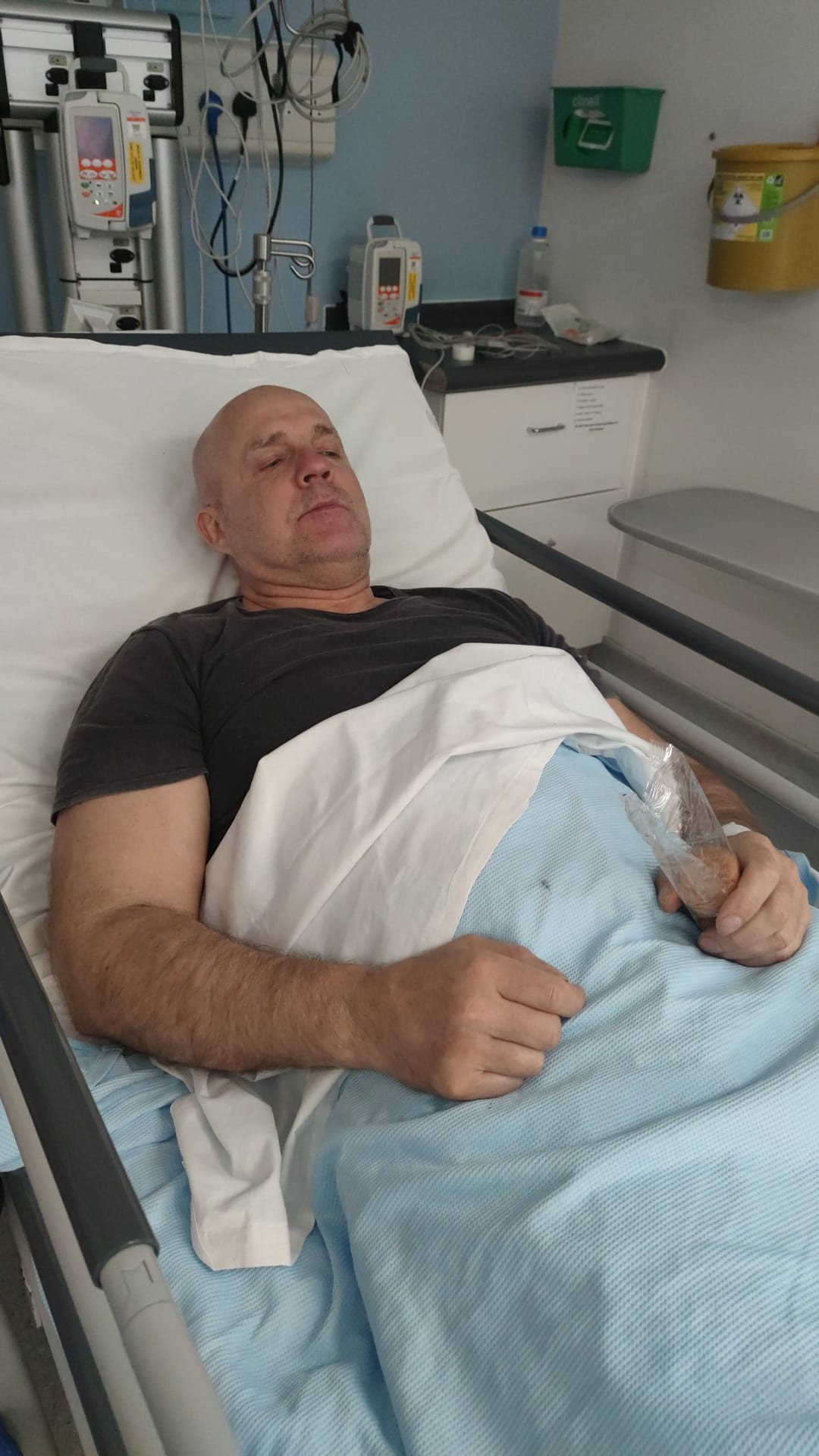
When someone you love is diagnosed with glioblastoma, one of the most aggressive forms of brain cancer, the decisions that follow can feel overwhelming. Even more unsettling is the reality that standard treatment options often offer only limited benefits. That’s why some patients, like UK-based Raimondas and his partner Asta, choose to pursue care at private clinics.
So why do glioblastoma patients sometimes turn away from NHS pathways and instead raise thousands to access care elsewhere? Here’s what you need to know.
Glioblastoma is a rare but devastating brain tumour that affects around 3,000 people each year in the UK. It grows quickly and resists many standard treatments.
The NHS offers a well-established course of care: surgery to remove as much of the tumour as possible, followed by radiotherapy and chemotherapy. These treatments can help control symptoms and slow progression, but they rarely lead to long-term remission.
Newer therapies, such as advanced immunotherapies, targeted drugs, and tumour-treating fields, are still being tested or are not widely available through the NHS due to cost, limited evidence, or ongoing trials. This gap is what pushes some families to explore options outside of public healthcare and consider private clinics or even international treatment centres.
Private clinics, on the other hand, often promise access to the latest therapies, personalised treatment plans, and more time with specialists. But they come at a cost, sometimes upwards of £100,000, which is out of reach for most households without significant financial help or public fundraising.
Some of the advanced options that families seek through private care include:
While these therapies are promising, they are not guaranteed cures and are often recommended alongside, not instead of, standard care.
Not necessarily. While some patients may benefit from clinical trials or experimental approaches, others may find that standard NHS care provides the best balance of quality, safety, and support for their needs.
It’s crucial to discuss all options with an oncologist, weigh the evidence carefully, and make decisions that align with the patient’s goals and circumstances.
Even if you’re not directly affected, there are ways you can support those who are:
Glioblastoma is one of the most challenging diagnoses in modern medicine, and it forces patients and families to make tough, often heartbreaking decisions.
For some, private clinics represent a chance, however slim, to extend life, improve quality of life, or simply feel they’ve explored every possibility.
Whatever path a patient chooses, what matters most is ensuring they feel supported and informed every step of the way.


