Many adult children are shocked when a once-kind parent becomes mean, angry, or withdrawn. The change is usually not personal — it often comes from loss of independence, pain, fear, or medical conditions like dementia or depression.
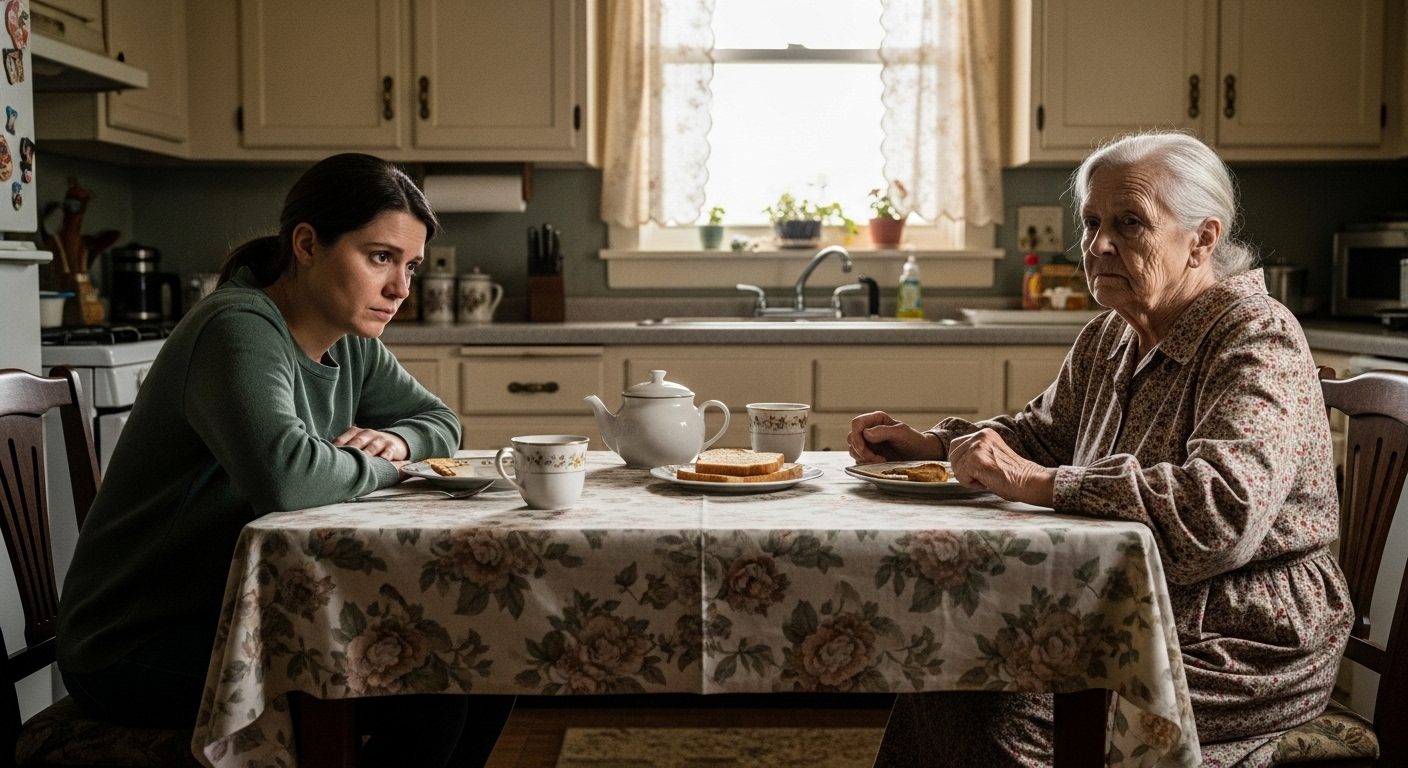
One of the hardest things adult children talk about is how different their parents seem as they get older.
“My mom used to be the sweetest person, but now she lashes out at me.”
“My dad won’t talk to me anymore — he just shuts down.”
“Why is she so mean all the time? Did I do something wrong?”
If you’ve caught yourself saying something like this, you’re not alone. The shift from having a warm, loving parent to dealing with sudden meanness, anger, or withdrawal is one of the most painful parts of aging and caregiving. It feels personal. It feels like rejection. And it often leaves adult children stuck between hurt feelings, guilt, and confusion.
So why does it happen? And more importantly — how do you cope without burning yourself out?
Before we get into medical terms, let’s talk in plain language. Parents who seem “mean” often aren’t trying to hurt you — even though it feels that way. Their behavior usually comes from one or more of these common factors:
Imagine living your whole life as a capable adult — driving, cooking, working, raising a family — and then suddenly being told you can’t do things safely anymore. For many older adults, this feels like a loss of dignity. That frustration often comes out as anger directed at the nearest person: usually, their child.
“She’s mad at me because I suggested she stop driving. But really, she’s mad at the situation.”
Living with arthritis, neuropathy, or any kind of constant pain wears people down. Pain makes anyone irritable — and when it’s every day, every hour, that short temper can become the new normal.
Aging is scary. Parents may worry about money, illness, losing their home, or being “put in a facility.” Instead of talking about fear directly, it often comes out as snapping, criticizing, or shutting down.
“I think she yells at me because she knows I’m the one making decisions. She’s scared, but it looks like anger.”
Beyond the emotional and situational factors, sometimes meanness is linked to real medical changes. This is where it helps to know what might be going on beneath the surface.
One of the hallmark symptoms of dementia is personality changes. A gentle, kind parent may become suspicious, paranoid, or quick to lash out. They may accuse you of things that never happened. This isn’t the parent you grew up with — it’s the disease speaking.
Older adults face high rates of depression, especially when they’ve lost friends, spouses, or mobility. Depression in seniors often looks different than in younger people — less sadness, more irritability or withdrawal.
Common medications for blood pressure, sleep, or pain can cause confusion, mood swings, or irritability. If the change in behavior happened around the time a new prescription started, this is worth exploring with a doctor.
When your parent lashes out, it’s almost impossible not to take it personally. Many caregivers say:
“I must have said the wrong thing.”
“She’s mad at me because I can’t do enough.”
“I feel like I abandoned him.”
Here’s the truth: this isn’t your fault. You didn’t cause their meanness. You didn’t fail them.
What you’re experiencing is part of a much bigger picture — a mix of aging, fear, health issues, and sometimes disease. Your parent’s behavior is directed at you because you’re the safest person to unload on. In a way, that means they trust you. But that doesn’t make it easy, and it doesn’t mean you should accept abuse.
Here are some practical ways caregivers manage when a parent’s meanness starts wearing them down:
Not every battle is worth fighting. If your parent is lashing out, sometimes the best response is to stay calm, acknowledge their feelings, and then step away.
When emotions run high, having go-to phrases can help. Examples:
Caring for a parent doesn’t mean letting them treat you however they want. You’re allowed to say:
Boundaries don’t mean you don’t care. Boundaries mean you’re making caregiving sustainable.
If your parent expects you to be their “everything,” you’ll burn out fast. Look into:
Not every case of meanness requires a doctor, but you should seek professional help if:
Possible next steps:
If you’ve been wondering, “Why is my elderly parent so mean now?” — you’re not alone. Thousands of adult children are asking the same question every day.
The most important takeaways:
Caregiving is already one of the hardest jobs in the world. Adding verbal attacks or cold silence makes it even harder. If you’re in that spot right now, take a deep breath. Reach out for help. And remind yourself: it’s okay to set limits, it’s okay to feel hurt, and it’s okay to need support too.
You don’t have to figure this out alone — there are resources, strategies, and communities to help you through it.


