That 3 AM scratching in your attic might seem like a simple DIY fix, but Virginia homeowners who attempt their own wildlife removal often face thousands in fines, serious injuries, and legal violations they never saw coming.
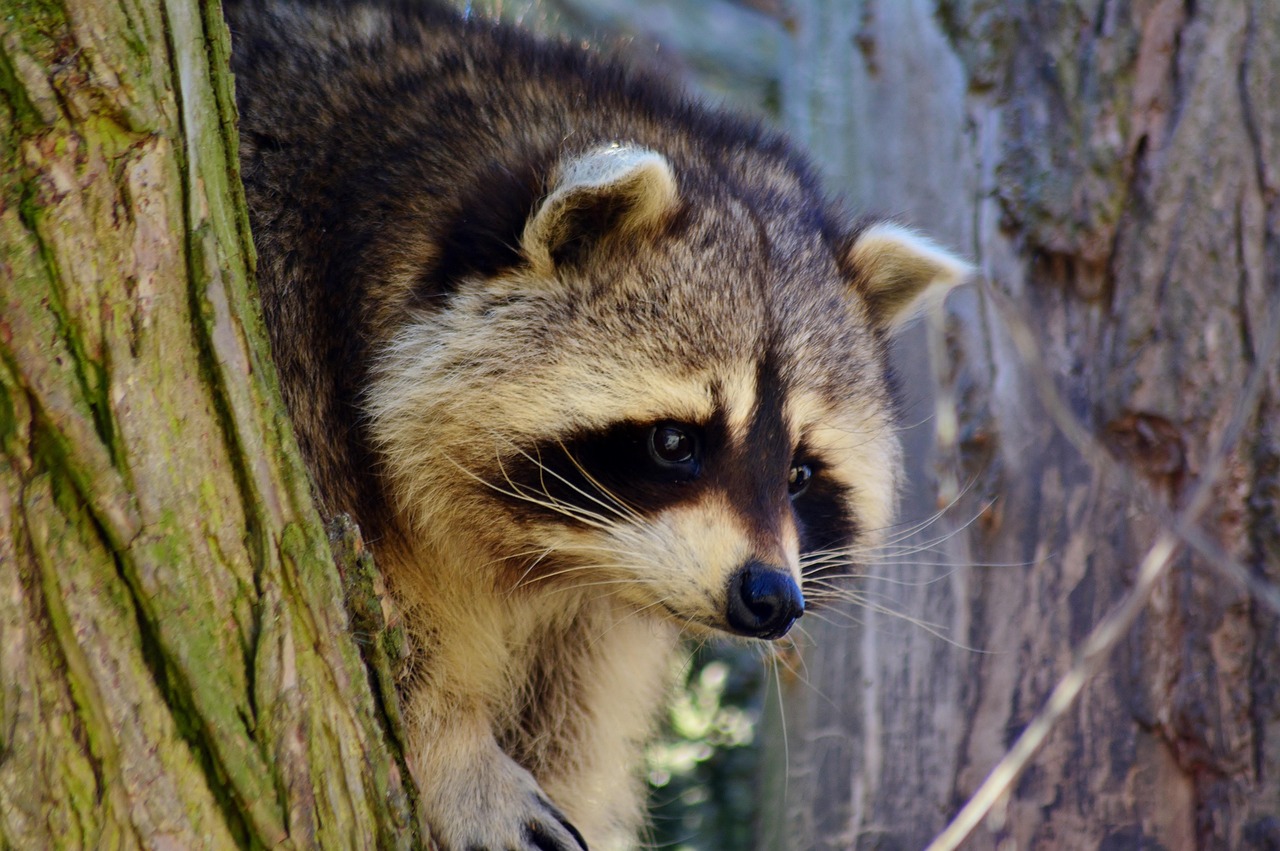
When squirrels scratch in the attic at 3 AM or raccoons raid garbage cans nightly, many Virginia homeowners consider tackling wildlife removal themselves. The internet overflows with DIY tutorials promising quick fixes, but what these guides don't reveal are the serious consequences that follow amateur wildlife removal attempts. From hefty legal fines to dangerous disease exposure, the risks far outweigh any perceived savings.
Wildlife intrusions already cause significant structural damage before homeowners even attempt removal. Animals tear through shingles, soffits, and vents to access attics, then chew on wood, insulation, and electrical wiring once inside. Squirrels and rodents gnaw constantly to keep their teeth filed down, turning support beams and air conditioning ducts into expensive repair projects.
DIY removal attempts often multiply this damage exponentially. Inexperienced homeowners using improper trapping techniques frequently cause animals to panic, leading to frantic escape attempts that destroy more property. Professional wildlife control experts understand animal behavior patterns and use containment methods that minimize additional damage during removal.
Personal injury represents an even greater concern than property damage. Wild animals under stress become unpredictable and aggressive, even species that normally avoid human contact. Connor's Pest Pros wildlife removal specialists regularly treat cases where homeowners suffered bites, scratches, and more serious injuries from cornered animals. Without proper training in animal handling techniques, homeowners put themselves at unnecessary risk.
Virginia's wildlife carries numerous zoonotic diseases that pose serious health threats to humans. Raccoons, bats, and skunks commonly carry rabies, while rodents can transmit hantavirus and leptospirosis. These pathogens transfer through bites, scratches, airborne particles from droppings, and contaminated surfaces. Professional wildlife technicians wear protective equipment and follow strict decontamination protocols that most homeowners lack.
Raccoons frequently carry rabies, a fatal disease that requires immediate emergency medical treatment after exposure. Hantavirus from rodent droppings causes severe respiratory illness, while leptospirosis from animal urine leads to kidney and liver damage. Many homeowners underestimate these risks until exposure occurs, often requiring expensive emergency medical care and lengthy treatment protocols.
Animal excrement contains salmonella and other bacteria that contaminate food preparation areas and living spaces. Professional cleanup involves specialized equipment and techniques that prevent cross-contamination throughout the home. DIY cleanup attempts often spread contamination further, creating larger health hazards.
Hardware stores sell powerful pesticides and animal deterrents without requiring safety training. These chemicals cause respiratory problems, skin irritation, and environmental contamination when used incorrectly. Professional wildlife control technicians receive extensive training in chemical application safety, protecting families and pets from toxic exposure.
Many homeowners apply chemicals in enclosed spaces like attics without proper ventilation, creating dangerous concentration levels. Others use outdoor products indoors or exceed recommended application rates, multiplying health risks. Licensed professionals know which products work effectively while maintaining safety standards.
Virginia's wildlife protection laws prioritize humane treatment and ecological balance over convenience. While some exemptions exist for property owners under certain conditions, most homeowners remain unaware that their DIY removal attempts may violate state regulations, potentially resulting in substantial fines and legal complications.
Many animals that commonly enter Virginia homes enjoy protected status under state wildlife laws. Removing protected species without proper permits constitutes a criminal offense, regardless of property damage or inconvenience. Licensed wildlife control operators maintain current permits and understand which species require special handling procedures.
Certain animals like bats provide ecological benefits through insect control and pollination. Virginia law requires specific exclusion timing and methods that prevent harm to bat populations. Amateur removal during protected seasons or using prohibited methods carries severe penalties.
Virginia law generally prohibits trapping animals and relocating them away from the capture property. Only licensed professionals holding Commercial Nuisance Animal Permits may trap wildlife, and they must either release animals at property edges or perform humane euthanization. This regulation prevents disease transmission and ecological disruption in new territories.
Relocated animals rarely survive in unfamiliar environments, making relocation both inhumane and ineffective. They struggle to find food, water, and shelter in territories already occupied by established wildlife populations. Virginia's regulations reflect scientific understanding that relocation causes more problems than it solves.
Wildlife law violations carry substantial financial penalties that quickly exceed professional removal costs. Violations for illegal trapping, improper disposal, or harming protected species can result in significant fines per incident. Repeat violations may result in criminal charges and permanent restrictions on future wildlife interactions.
Insurance companies may deny coverage for damages resulting from illegal wildlife removal attempts. Homeowners who violate state regulations lose liability protection, potentially facing personal responsibility for property damage, medical bills, and legal fees.
Professional wildlife control requires specialized knowledge that homeowners cannot easily acquire through online research. Understanding animal behavior, identifying species accurately, and implementing humane removal techniques demands extensive training and experience that licensing programs provide.
Virginia requires wildlife control operators to complete training programs covering animal identification, behavior patterns, removal techniques, and legal compliance through the Virginia Department of Wildlife Resources. These programs take months to complete and require ongoing education to maintain current certification. Homeowners attempting DIY removal lack this essential knowledge foundation.
Licensed operators also carry specialized insurance coverage including general liability and professional liability that protects homeowners during removal operations. This professional insurance covers property damage, personal injury, and environmental contamination that may occur during wildlife control activities.
Wildlife control organizations regularly treat animals injured during DIY removal attempts. Improper trap placement, wrong trap sizes, and inadequate monitoring cause severe injuries including broken bones, lacerations, and dehydration. These injuries often prove fatal even with professional veterinary intervention.
Humane trapping requires understanding each species' behavior patterns, preferred foods, and stress responses. Professional wildlife technicians select appropriate trap types, placement locations, and monitoring schedules that minimize animal distress while ensuring effective removal. While professionals time removal activities to avoid separating mothers from dependent offspring, they also have protocols for situations where separation is unavoidable.
DIY removal typically addresses symptoms rather than underlying causes that attract wildlife to properties. Removing one animal without sealing entry points or eliminating attractants simply creates vacant territory that other animals quickly occupy. This cycle continues indefinitely, costing more than professional prevention services.
Professional wildlife control includes property assessments that identify all potential entry points, food sources, and shelter opportunities. Technicians seal vulnerabilities and modify conditions that attract wildlife, providing long-term solutions rather than temporary fixes.
Licensed wildlife control companies follow systematic approaches that address immediate removal needs while preventing future infestations. Their services protect both homeowners and wildlife through humane, effective methods that comply with all applicable regulations.
Professional wildlife technicians begin with thorough property assessments that identify current wildlife activity, entry points, attractants, and potential risks. They use specialized equipment to detect hidden damage and locate animals in wall voids, attics, and crawl spaces that homeowners cannot safely access.
These inspections reveal the full scope of wildlife problems, including secondary infestations and structural damage that amateur assessments typically miss. Technicians document findings with detailed reports and photographic evidence that support insurance claims and repair planning.
Licensed professionals use species-appropriate trapping methods that minimize animal stress while ensuring effective removal. They monitor traps frequently to prevent extended confinement and provide proper care for captured animals until release or disposal according to legal requirements.
Professional removal techniques account for family groups, seasonal behaviors, and species-specific needs that impact trapping success. Technicians time removal activities to avoid separating mothers from dependent offspring when possible, preventing starvation of abandoned young.
Effective wildlife control seals all current and potential entry points using materials and techniques that withstand weather and animal attempts to regain access. Professionals identify vulnerabilities that homeowners overlook, including gaps around utility penetrations, damaged foundation areas, and compromised roof lines.
Prevention services also address environmental factors that attract wildlife, including food sources, water access, and shelter opportunities. Technicians provide specific recommendations for landscape modifications, storage improvements, and maintenance practices that reduce future wildlife conflicts.
Professional wildlife control includes cleanup and sanitization services that eliminate health hazards and prevent future problems. Technicians remove contaminated insulation, clean affected areas with appropriate disinfectants, and restore damaged property to pre-infestation conditions.
Cleanup services address hidden contamination in wall cavities, ductwork, and other inaccessible areas that homeowners cannot safely clean. Professional equipment and techniques ensure complete decontamination that protects family health and prevents odors that attract new wildlife.
Virginia homeowners dealing with wildlife intrusions need professional intervention that protects both property and family safety. Licensed wildlife control specialists possess the training, equipment, and legal authority to resolve wildlife conflicts effectively while complying with state regulations. Their approach addresses immediate removal needs and implements prevention strategies that provide lasting solutions.
The risks of DIY wildlife removal—from serious injuries and disease exposure to legal violations and recurring infestations—far exceed any potential savings. While some minor wildlife issues might be handled by homeowners, knowing when to call a professional is critical. Professional wildlife control represents a wise investment in family safety and property protection that delivers results homeowners cannot achieve independently, especially when considering the potential costs of property damage, health risks, and legal fines that can make DIY attempts more expensive in the long run.
Contact Connor's Pest Pros at https://connorspestpros.com/contact/ for professional wildlife removal services that protect Virginia homeowners and resolve wildlife conflicts safely and legally.


