Feeling tired, losing muscle, or experiencing low libido? These could signal low testosterone—but the 300 ng/dL threshold doctors use might not tell the whole story about whether you’re actually a candidate for treatment.
Testosterone replacement therapy has become increasingly popular, but determining whether it's right for you requires understanding your symptoms, test results, and treatment options. This guide cuts through the marketing hype to help you make an informed decision about TRT.
Low testosterone doesn't announce itself with a single dramatic symptom. Instead, it creeps in gradually with a collection of changes that many men dismiss as normal ageing. The most common signs include reduced sex drive and erectile dysfunction, which often prompt men to seek medical advice initially.
Beyond sexual health, low testosterone manifests as persistent fatigue that doesn't improve with rest, decreased muscle mass despite maintaining exercise routines, and increased body fat—particularly around the midsection. Many men also experience mood changes including depression, irritability, and reduced self-confidence.
Physical changes extend to loss of body hair on the body, face, armpit, and pubic areas, and some men develop gynecomastia (tender or swollen breast tissue). Sleep disturbances become common, with many experiencing hot flashes or night sweats. Mental clarity suffers too, with concentration difficulties and memory problems affecting daily tasks. According to their data, TRT Australia's Adelaide clinic regularly sees men experiencing multiple symptoms simultaneously, indicating significantly low testosterone levels.
The American Urology Association considers low blood testosterone to be less than 300 nanograms per deciliter (ng/dL) for adults. However, some researchers and healthcare providers disagree with this threshold and believe levels below 250 ng/dL indicate low testosterone. This difference highlights the importance of considering symptoms alongside test results rather than relying solely on numbers.
Normal testosterone ranges vary significantly between laboratories, typically spanning 300-1,000 ng/dL. Age also influences what's considered normal—a 25-year-old man naturally has higher levels than a 55-year-old. The key isn't achieving peak youthful levels but restoring levels sufficient to alleviate symptoms and improve quality of life.
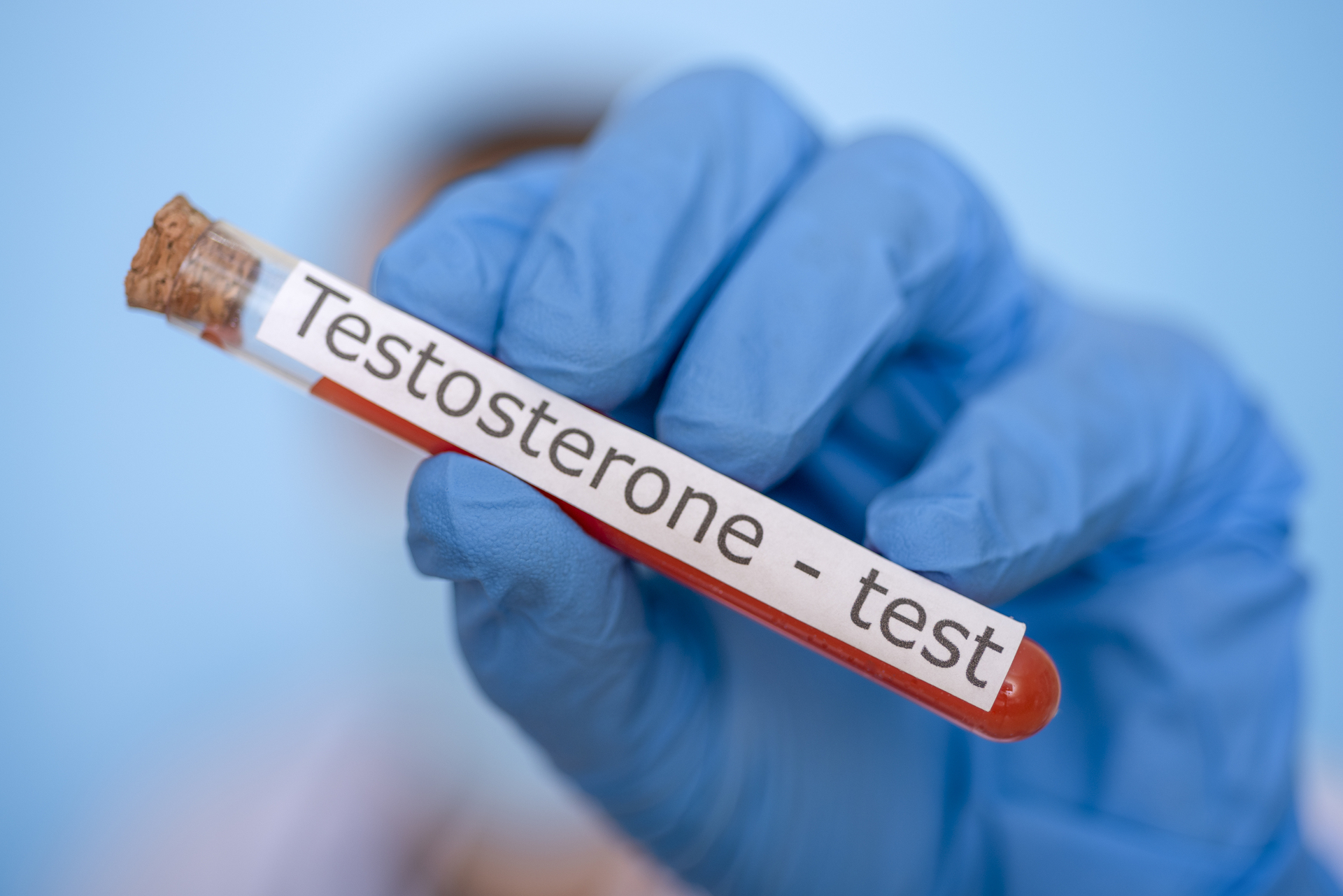
The total testosterone level blood test usually requires two sample collections between 8 a.m. and 10 a.m., when testosterone levels should be at their highest. This timing matters because testosterone follows a circadian rhythm, peaking in early morning and declining throughout the day.
A single low reading isn't diagnostic. Most specialists require at least two separate morning tests showing low levels before considering treatment. Factors like illness, stress, poor sleep, or recent intense exercise can temporarily suppress testosterone, making accurate timing and multiple tests necessary for proper diagnosis.
Men's testosterone levels naturally vary by age, typically peaking during adolescence and early adulthood and declining by about 1-2% per year after age 30 or 40. This gradual decline is normal and doesn't automatically warrant treatment. The Endocrine Society recommends TRT only for men with both symptoms and consistently low serum testosterone concentrations.
Distinguishing between age-related changes and clinically significant low testosterone requires careful evaluation. While some muscle loss and energy decline accompany ageing, severe fatigue, complete loss of libido, and significant mood changes suggest hormone deficiency rather than normal ageing processes.
TRT isn't recommended for men with prostate cancer, breast cancer, unstable and severe heart failure, or untreated sleep apnoea. These conditions either worsen with testosterone therapy or indicate underlying health issues requiring treatment first. Men with a history of blood clots or those at high risk for cardiovascular events need careful evaluation before starting TRT.
Other contraindications include untreated severe sleep apnoea, elevated red blood cell counts, and certain liver conditions. A thorough medical history and examination identify these risk factors before treatment begins.
Before prescribing TRT, healthcare providers should address lifestyle factors and underlying conditions that might be causing low testosterone. Sleep apnoea, obesity, diabetes, and chronic stress can all suppress testosterone production. Treating these conditions first may naturally restore hormone levels without requiring TRT.
Medications including opioids, antidepressants, and corticosteroids can lower testosterone. When possible, switching medications or adjusting dosages may resolve the problem. Lifestyle modifications like weight loss, improved sleep hygiene, and stress management often provide significant improvements in testosterone levels and associated symptoms.
Topical testosterone gels and patches provide steady hormone delivery throughout the day, mimicking natural testosterone patterns more closely than injections. Gels are applied to clean, dry skin on the shoulders, upper arms, or thighs, typically in the morning. The medication absorbs through the skin over several hours.
Patches work similarly but may cause skin irritation in some users. Both options require careful attention to prevent transfer to partners or children through skin contact. Users must wash hands thoroughly after application and cover treated areas with clothing.
Testosterone injections deliver larger doses less frequently, with most formulations administered weekly or every two weeks. Some formulations of long-acting testosterone can be given by injection every 10-14 weeks. These longer-acting versions provide convenience for busy schedules but may cause more fluctuation in hormone levels.
Injections typically produce faster symptom improvements compared to topical treatments. However, some men experience mood and energy fluctuations as hormone levels peak shortly after injection and gradually decline before the next dose.
Testosterone pellets are small implants placed under the skin, typically in the buttocks or hip area, during a minor surgical procedure. These pellets slowly release testosterone over 3-6 months, providing the most consistent hormone levels of any delivery method.
Pellet implantation requires a specialist procedure but offers excellent convenience once placed. The steady hormone release eliminates daily applications or regular injections, though removal requires another procedure if side effects develop.
The nasal gel is applied into each nostril three times a day, providing rapid absorption and flexible dosing. This method works well for men who prefer not to use topical gels or injections. Nasal irritation is the most common side effect.
Older oral testosterone formulations, particularly methyltestosterone, were associated with liver toxicity. Newer formulations of oral testosterone undecanoate (TU) have an improved safety profile and are generally not associated with clinically significant liver toxicity. These options provide convenience but may not be suitable for all men, particularly those with liver conditions.
TRT typically provides significant improvements in sexual desire and function for men with documented low testosterone and related symptoms. Most men notice improvements in sexual interest and satisfaction within 3-4 weeks of starting treatment, plateauing at about 6 weeks.
Erectile function may also improve, though TRT works best when erectile dysfunction is primarily related to low testosterone rather than vascular or psychological causes. Men with multiple causes of erectile dysfunction may need additional treatments alongside TRT.
Energy improvements often occur within 2-4 weeks of treatment, though maximum benefits may take 3-6 months to develop. TRT can improve mood and reduce symptoms of depression, particularly in men where low testosterone is contributing to mood changes.
Cognitive benefits include improved concentration, memory, and mental clarity. However, these improvements are most pronounced in men whose cognitive symptoms were directly related to low testosterone rather than other factors like sleep disorders or stress.
If multiple symptoms suggest low testosterone, schedule an appointment with a healthcare provider experienced in hormone therapy. Prepare for your consultation by tracking symptoms, energy levels, and sleep patterns for several weeks before your visit.
Bring a complete list of medications and supplements, as many can affect testosterone levels. Be prepared to discuss lifestyle factors including diet, exercise, stress levels, and sleep quality, as these significantly impact hormone production and treatment success.
Consider keeping a symptom diary noting energy levels, mood changes, and sexual function to help your healthcare provider assess whether TRT is appropriate for your situation. This preparation ensures the most productive consultation and helps determine the best treatment approach for your individual needs.


