Winter in Northern Virginia brings an unwelcome surprise: thousands of pests abandoning the cold to make your home their permanent residence. One common rodent species can squeeze through gaps you’d never expect – and the damage they cause goes far beyond what most homeowners realize.
Winter brings a lot more than just cold temperatures to Northern Virginia. It also drives unwanted pests indoors by the thousands. Bad news for you. As outdoor temperatures drop, common household invaders like mice, cockroaches, ants, and spiders abandon their outdoor habitats to seek the warmth and security found inside NOVA homes. Homes just like yours, experts warn.
This winter presents unique challenges for Northern Virginia homeowners. Pest management professionals report increased winter activity patterns for rodents throughout the region due to abundant food sources and population growth during warmer months. These conditions create perfect storms for winter infestations as pests compete for indoor shelter.
Unlike summer pests that usually venture indoors temporarily, winter invaders establish permanent residence. They build nests, reproduce, and create colonies that persist long after temperatures rise. Teams like Connor's Pest Pros have reported increased service calls starting in early November as homeowners discover signs of unwanted indoor guests.
The problem only intensifies because heating systems create warm microclimates throughout homes - providing ideal conditions for pest survival and reproduction. Basements, attics, wall voids, and utility rooms become prime real estate for creatures seeking refuge from harsh outdoor conditions.
Rodents are perhaps the most destructive winter pests infiltrating Northern Virginia homes. These prolific breeders cause extensive property damage while contaminating food supplies and spreading diseases. Four primary rodent species dominate winter home invasions across NOVA neighborhoods.
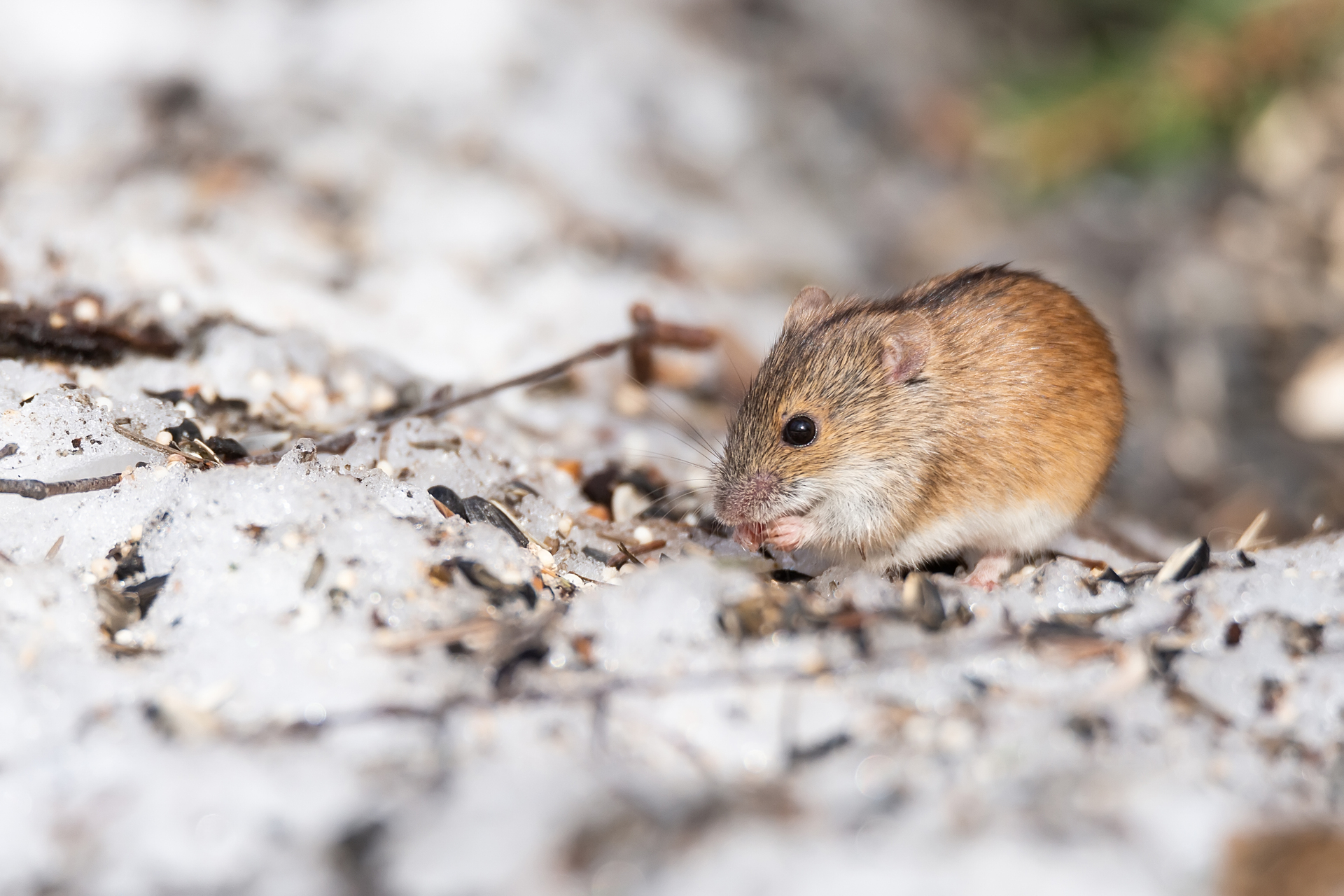
House mice slip through gaps as small as a dime, making entry points difficult to identify and seal. These nimble creatures establish nests in dark, undisturbed areas like storage rooms, basements, and behind appliances. Field mice, slightly larger than house mice, prefer areas near stored grains, pet food, and pantry items.
Both species reproduce rapidly during the winter months, with females producing up to 10 litters annually. Under ideal, unchecked conditions, their populations can grow extremely rapidly. Even worse, their constant gnawing behavior keeps teeth sharp while creating extensive property damage.
Roof rats excel at climbing and prefer upper levels of homes, including attics and ceiling spaces. These agile rodents access homes through overhanging tree branches, utility lines, and roof vents. Norway rats, larger and more aggressive, typically inhabit basements, crawl spaces, and ground-level areas.
Both rat species cause significant structural damage by chewing through electrical wires, creating fire hazards. They destroy insulation effectiveness by contaminating materials with urine and feces, increasing heating costs. Wood piles, stored boxes, and unused furniture provide perfect nesting materials for expanding rat colonies.
Visual indicators include small, dark droppings near food sources, along baseboards, and in storage areas. Fresh droppings appear dark and moist, while older ones become dry and crumbly. Audible signs include scratching sounds within walls, scurrying noises in ceilings, and squeaking during nighttime hours.
Physical evidence includes gnaw marks on food packaging, furniture legs, and electrical cords. Grease marks along walls indicate regular travel routes. Odor detection reveals strong, musky smells in enclosed spaces where rodents nest and eliminate waste.
Cockroaches are active year-round, but winter heating systems create optimal breeding conditions inside Northern Virginia homes. These hardy insects seek consistent warmth, moisture, and food sources that heated homes readily provide throughout cold months.
German cockroaches are the most common indoor cockroach species, entering homes through grocery bags, cardboard boxes, and second-hand purchases. These prolific breeders prefer warm, humid environments near kitchens, bathrooms, and utility rooms where water sources are always accessible.
Female German cockroaches carry egg cases containing up to 40 eggs, depositing them in protected crevices near food and water. Development from egg to adult takes approximately two months under favorable indoor conditions - allowing populations to explode rapidly during winter heating seasons.
Cockroaches trigger allergies and worsen respiratory conditions, which are particularly problematic during the winter months when homes stay sealed against cold weather. Their shed skin, feces, and body parts become airborne allergens circulating through heating systems.
These disease vectors spread harmful bacteria including salmonella, gastroenteritis, and dysentery through contaminated food surfaces. Cockroaches also regurgitate digestive fluids while feeding, leaving dangerous pathogens on countertops, dishes, and stored food items.
While most ant species hibernate underground during winter, several varieties stay active in heated Northern Virginia homes. These opportunistic insects establish indoor colonies when outdoor temperatures drop, seeking consistent warmth and abundant food sources.
Acrobat ants prefer moisture-damaged wood and often indicate existing water problems. Little black ants create extensive trail networks between outdoor colonies and indoor food sources. Odorous house ants emit strong, rotten coconut smells when crushed, helping identify infestations.
Pavement ants nest in cracks along foundations and driveways, moving indoors during extreme cold. Carpenter ants are the most destructive species, excavating extensive tunnel networks through structural wood components.
Most spider species enter Northern Virginia homes seeking protection from freezing temperatures and abundant prey attracted to indoor warmth. While occasional spiders can help control other pest populations, large infestations create safety concerns for families.
Black widow spiders commonly inhabit Virginia, preferring dark, undisturbed areas like basements, garages, and storage sheds. These venomous spiders bite when threatened, though they typically avoid human contact. Identification features include glossy black bodies with distinctive red hourglass markings.
Brown recluse spiders are not commonly found in Northern Virginia; while their natural range reaches the very tip of southwestern Virginia, isolated populations have been confirmed in several locations across Virginia. Misidentification with other spider species is frequent.
Yellow sac spiders are often mistaken for brown recluses due to similar coloring and size. These common Virginia spiders create silk retreats in corners, behind picture frames, and along ceiling edges. While their bites can cause localized irritation, they are not considered as dangerous as the true brown recluses. Still, nobody wants to get bitten.
Prevention strategies include regular vacuuming of spider webs, reducing clutter in storage areas, and sealing cracks where spiders enter. Outdoor lighting attracts prey insects, drawing spiders closer to potential entry points.
Prevention is still the most effective strategy for avoiding winter pest infestations. Thorough home sealing eliminates access routes while preserving heating efficiency and reducing energy costs.
Foundation inspection reveals common entry points including expansion joints, utility penetrations, and settling cracks. Use steel wool followed by caulk for rodent-proof sealing, as mice cannot chew through steel fibers. For smaller cracks, silicone sealant can also be effective. Window and door sealing requires weather stripping replacement and caulk application around frames.
Pay special attention to basement windows, sliding doors, and garage entrances where gaps commonly develop. Inspect storm doors for proper fit and repair damaged screens that allow smaller pests indoor access.
Utility penetrations around pipes, electrical lines, and cable installations create perfect pest highways. Seal these openings with expanding foam followed by steel wool for rodent protection. Vent screening prevents pest entry while maintaining proper ventilation for heating systems and appliances.
Roof maintenance includes chimney cap installation, soffit repair, and attic vent screening. Overhanging tree branches provide pest highways directly to rooflines, requiring regular trimming for prevention.
Moisture elimination removes primary pest attractants throughout homes. Repair leaking pipes, improve ventilation in basements and crawl spaces, and address condensation problems around windows and appliances. Dehumidifier operation maintains optimal humidity levels below 50%, creating unsuitable conditions for cockroaches and other moisture-dependent pests.
Drainage improvements direct water away from foundations, reducing moisture that attracts pests to exterior walls. Clean gutters prevent overflow that creates moisture problems near rooflines and entry points.
Food storage protocols include sealed containers for dry goods, prompt cleanup of spills and crumbs, and regular disposal of garbage in sealed containers. Pet food management requires sealed storage and removal of uneaten portions that attract rodents and insects.
Kitchen sanitation involves nightly cleaning of countertops, stovetops, and dining areas where food residue accumulates. Pantry organization makes inspection easier while reducing hiding places for pests seeking food sources.
Professional pest control services offer targeted solutions when prevention efforts fail or infestations already exist. Expert assessment identifies pest species, infestation severity, and optimal treatment strategies tailored to specific situations using Integrated Pest Management (IPM) approaches that combine exclusion, sanitation, and treatment for long-term control.
Same-day service availability ensures rapid response when pest problems emerge, preventing minor issues from becoming major infestations. Long-term prevention programs include regular monitoring, treatment adjustments, and proactive maintenance to prevent future problems.
Guaranteed results provide homeowner confidence with follow-up treatments included when initial services don't achieve complete elimination. Professional-grade materials and application techniques often prove more effective than over-the-counter solutions for established infestations.
Professional exterminators understand pest behavior patterns, enabling targeted treatments that eliminate entire colonies rather than individual specimens. These specialized approaches combine multiple strategies for long-term pest management success.


