Your roof won’t last forever. Knowing the warning signs of aging or damaged roofing can save you thousands in repairs and prevent bigger problems down the road.
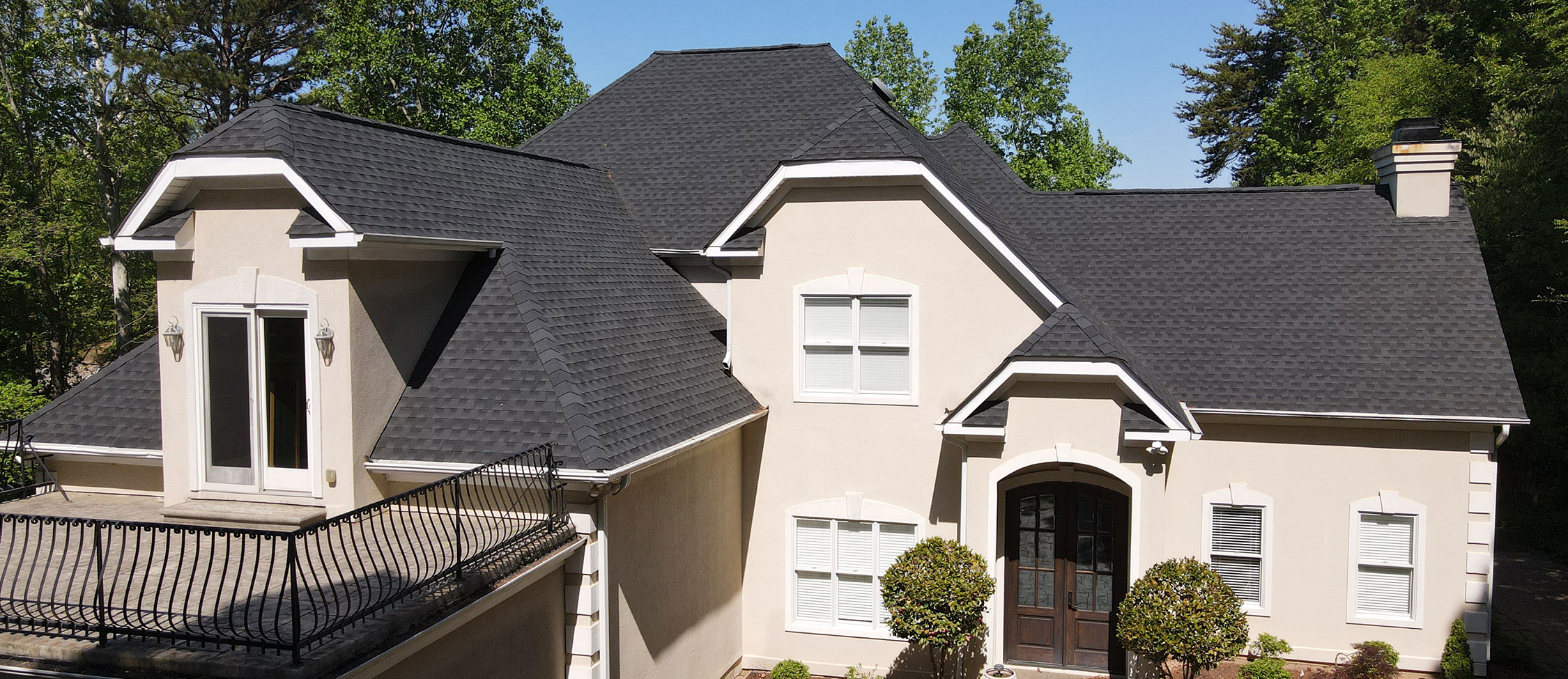
You probably don't spend much time thinking about your roof until water starts dripping through the ceiling. Most people don't, and honestly, that's completely understandable. But waiting until you have a serious problem can turn a manageable roof replacement into an expensive emergency involving water damage, ruined insulation, and potentially even mold.
The reality is that even high-quality roofs don't last forever. Statesville-based contractor Providence Roofing points out that understanding when to replace your roof prevents those nightmare scenarios where you're scrambling to find a contractor while water pours into your living room during a thunderstorm.
According to the National Association of Home Builders, asphalt shingles typically last between 20 to 30 years. Three-tab shingles are on the lower end at around 15-20 years, while architectural shingles can reach 25-30 years with proper maintenance. If your roof is approaching or exceeding these timeframes, replacement should be on your radar, even if everything looks fine from the ground.
You don't need to climb onto your roof to spot trouble. Curling or cupping shingles means they're past their prime and losing the ability to keep water out. Missing shingles after a storm are obvious red flags. If you're finding granules in your gutters or collecting at the base of downspouts, your shingles are losing their protective coating and becoming vulnerable to UV damage.
Sometimes the first signs of roof failure show up inside your house. Water stains on ceilings or walls usually indicate your roof is already leaking, even if you haven't seen water actually dripping. Dark streaks or spots on interior surfaces can signal moisture penetration. If your attic feels unusually hot or humid, poor ventilation or compromised roofing could be allowing heat and moisture to build up.
North Carolina weather can be brutal on roofs. High winds, hail, and falling branches cause immediate damage that requires professional assessment. After any significant storm, it's worth having your roof inspected by a qualified contractor. Don't wait for leaks to appear, because by then, water may have already damaged the underlying structure.
Storm chasers and fraudulent contractors often target homeowners after severe weather, offering free inspections and deals that sound too good to be true. Take your time researching contractors, check references, and never pay large deposits upfront. Working with established local companies protects you from poor workmanship and abandoned projects.
Catching roof problems early saves money and prevents extensive damage to your home's interior and structure. If your roof is showing any of these warning signs, schedule an inspection with a licensed contractor. Getting ahead of potential roof replacement needs means you can plan the project on your timeline and budget, rather than dealing with an emergency repair during the next big storm.


