HVAC technicians use a simple $5,000 calculation to determine when repair costs justify replacement over fixing your system. But there are three critical warning signs that override this rule entirely—and ignoring them could cost you thousands more.
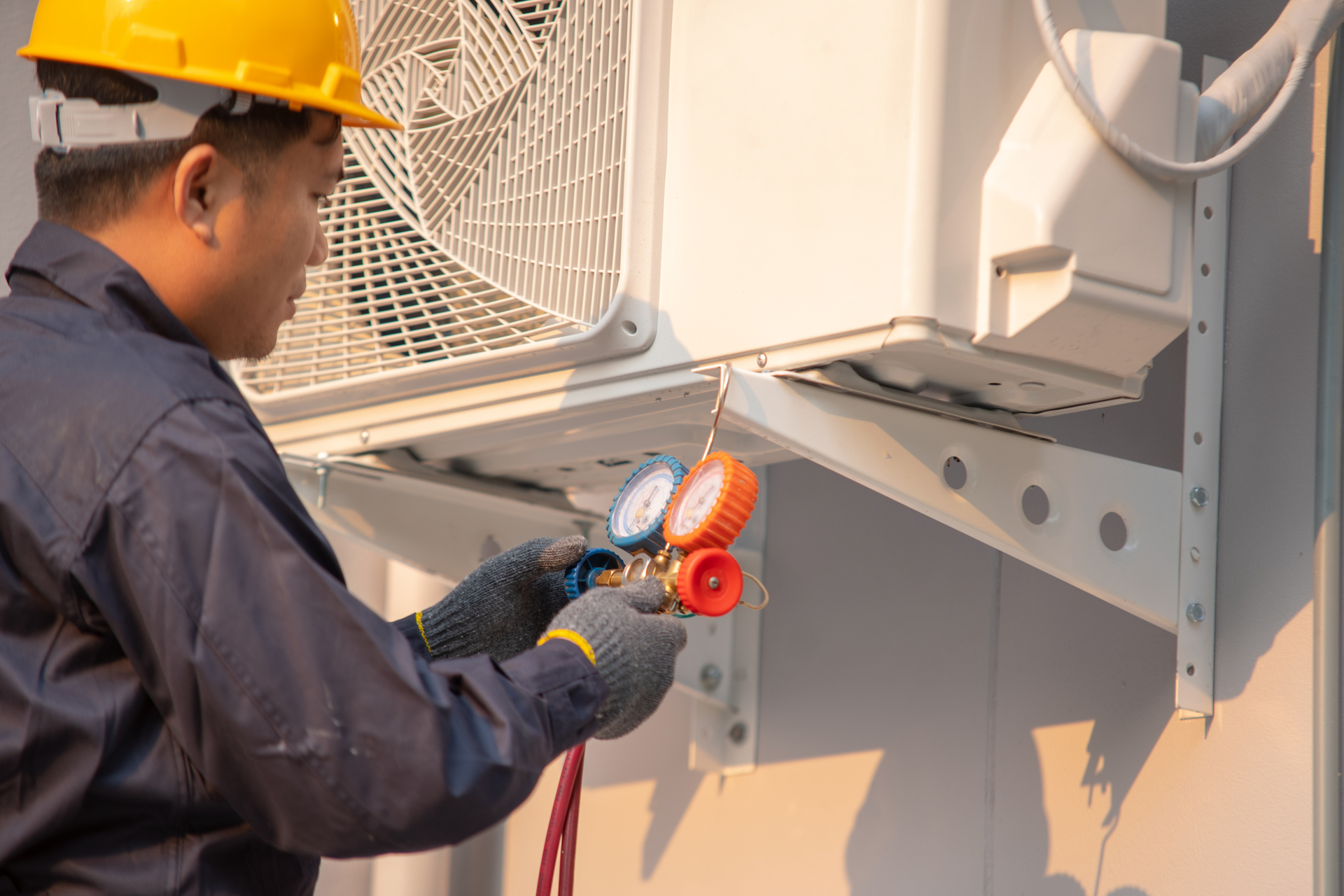
When homeowners face expensive HVAC repairs, the decision between fixing or replacing often feels overwhelming. Local technicians rely on proven calculation methods to guide these critical choices, helping families avoid throwing money at aging systems that will inevitably fail again.
The $5,000 rule provides a straightforward calculation for replacement decisions, and is used by HVAC technicians across the country. Multiply the age of the HVAC unit by the current repair cost estimate. If this number exceeds $5,000, replacement becomes more cost-effective than repair. For example, a 12-year-old system needing $450 in repairs equals $5,400, signaling replacement time. This mathematical approach removes emotion from major financial decisions.
Alabama-based Engle Services consistently recommends this calculation because it accounts for both current repair costs and future breakdown probability. Professional HVAC assessments reveal that systems requiring expensive repairs often need additional fixes within 12-18 months. The rule helps homeowners avoid the repair-replacement cycle that drains budgets without delivering long-term comfort.
Beyond simple multiplication, a southern climate adds complexity to replacement timing. High humidity and temperature extremes stress HVAC components year-round. Systems operating in Florida or Alabama's demanding conditions often reach the $5,000 threshold earlier than equipment in milder climates, making the calculation even more valuable for local homeowners.
While the $5,000 rule provides financial guidance, additional symptoms indicate system failure regardless of calculations. These warning signs often appear months before major breakdowns, giving homeowners time to plan replacements strategically rather than facing emergency installations during peak seasons.
Rattling, banging, grinding, screeching, squealing, buzzing, or whistling sounds indicate internal mechanical failures. These noises typically worsen over time and signal worn bearings, loose components, or failing motors. Engle Services reports that systems producing multiple strange noises rarely justify expensive repairs, especially when combined with other symptoms.
Grinding sounds often indicate motor bearing failure, while banging suggests loose heat exchangers or ductwork connections. Squealing typically points to belt wear or motor issues. When multiple noise types occur simultaneously, total system replacement usually costs less than addressing individual component failures separately.
Energy bill increases of 15-20% without usage changes indicate declining system efficiency. Hot summers and occasional cold snaps mean HVAC systems work year-round, making efficiency vital for manageable utility costs. Older systems lose efficiency gradually, often without obvious performance changes until bills spike dramatically.
Comparing current bills to previous years reveals efficiency trends. Systems over 10 years old experiencing steady bill increases usually benefit from replacement with higher-efficiency models. Modern units can reduce energy consumption by 20-40% compared to systems installed before 2010, often offsetting replacement costs through utility savings.
Multiple repair calls within 12 months signal system-wide decline. Technicians track repair frequency to identify patterns indicating total failure. Systems requiring repairs more than twice yearly typically cost more to maintain than replace, especially when combined with rising energy costs.
Common repair patterns include refrigerant leaks followed by compressor issues, or electrical problems leading to motor failures. These cascading failures indicate that fixing one component often stresses others, creating an expensive cycle that replacement breaks permanently.
HVAC system lifespan varies by component type and installation quality. Understanding these timeframes helps homeowners plan replacement budgets before emergency situations force rushed decisions.
Heat pumps and air conditioning units typically last 10-17 years with proper maintenance and quality installation. High cooling demands stress these components heavily during summer months. Systems approaching 15 years often experience declining efficiency and increasing repair needs, making proactive replacement financially sensible.
Quality installation significantly impacts lifespan. Properly sized units with correct refrigerant charges and sealed ductwork often reach the upper end of this range. Oversized or improperly installed systems may fail within 10-12 years, emphasizing the importance of professional installation from the beginning.
Gas furnaces typically outlast heat pumps and AC units, lasting 15-20 years with regular maintenance. Homes using furnaces for backup heating often see extended lifespans since these systems operate less frequently than primary cooling equipment. However, neglected maintenance can shorten this timeframe significantly.
Annual furnace maintenance includes heat exchanger inspection, which becomes critical after 15 years. Cracked heat exchangers require immediate replacement for safety reasons, regardless of the $5,000 rule calculation. Carbon monoxide risks make furnace replacement non-negotiable when heat exchanger integrity fails.
HVAC replacement costs typically range from $4,486 to $6,153 for complete system installation, with variations reaching $1,984 to $9,923 depending on system size, efficiency ratings, and installation complexity. Split system air conditioners range between $2,372 and $5,596 per unit, not including ductwork modifications or electrical upgrades. Costs can vary significantly based on specific project requirements, so homeowners should get quotes from local contractors.
Higher-efficiency systems command premium prices but often justify costs through utility bill reductions. Financing options make these investments manageable while delivering immediate comfort improvements and long-term savings. Many families find monthly financing payments offset by reduced energy bills, making upgrades budget-neutral from day one.
Installation complexity significantly affects total costs. Homes requiring ductwork modifications, electrical panel upgrades, or accessibility improvements see higher project totals. However, these infrastructure improvements often improve overall system performance and prevent future issues that could require expensive corrections.
Professional HVAC evaluation provides detailed system analysis beyond surface-level symptoms. Trained technicians identify hidden issues that affect replacement decisions and prevent costly mistakes that untrained assessments might miss.
Ductwork inspection reveals air leakage that affects system efficiency regardless of equipment age. The average home can lose 10-30% of conditioned air through duct leaks, reducing system efficiency. Sealing these leaks during replacement projects maximizes new equipment performance and prevents oversizing that increases installation costs.
Professional duct assessment also identifies insulation deficiencies and connection problems that compromise comfort. Addressing these issues during replacement prevents future callback visits and ensures optimal system performance from installation day forward. This approach often eliminates comfort complaints that persist even after equipment replacement.
Accurate load calculations ensure proper equipment sizing that maximizes efficiency and comfort. Oversized systems cycle on and off frequently, wasting energy and failing to dehumidify effectively. Undersized equipment runs constantly without achieving desired temperatures, leading to premature wear and high operating costs.
Professional sizing considers factors beyond square footage, including insulation levels, window efficiency, orientation, and local climate data. These detailed calculations often reveal that smaller, more efficient systems provide superior comfort compared to larger units, while reducing both installation and operating costs significantly.
When homeowners face HVAC replacement decisions, professional guidance ensures optimal equipment selection and installation quality. Experienced technicians apply the $5,000 rule alongside detailed system evaluation to recommend cost-effective solutions that deliver long-term value and comfort.
Modern replacement projects benefit from advanced installation techniques and high-efficiency equipment that previous generations couldn't access. Professional installation ensures these technologies perform as designed, delivering energy savings and comfort improvements that justify replacement investments through measurable results.


