Spotted dishes and scratchy towels signal more than annoyances—they reveal thousands in hidden damage happening inside your pipes and appliances. Complete Care Plumbing Electric & AC ((325) 248-5442) reveals seven critical warning signs determine whether simple repairs or full replacement will save your home.
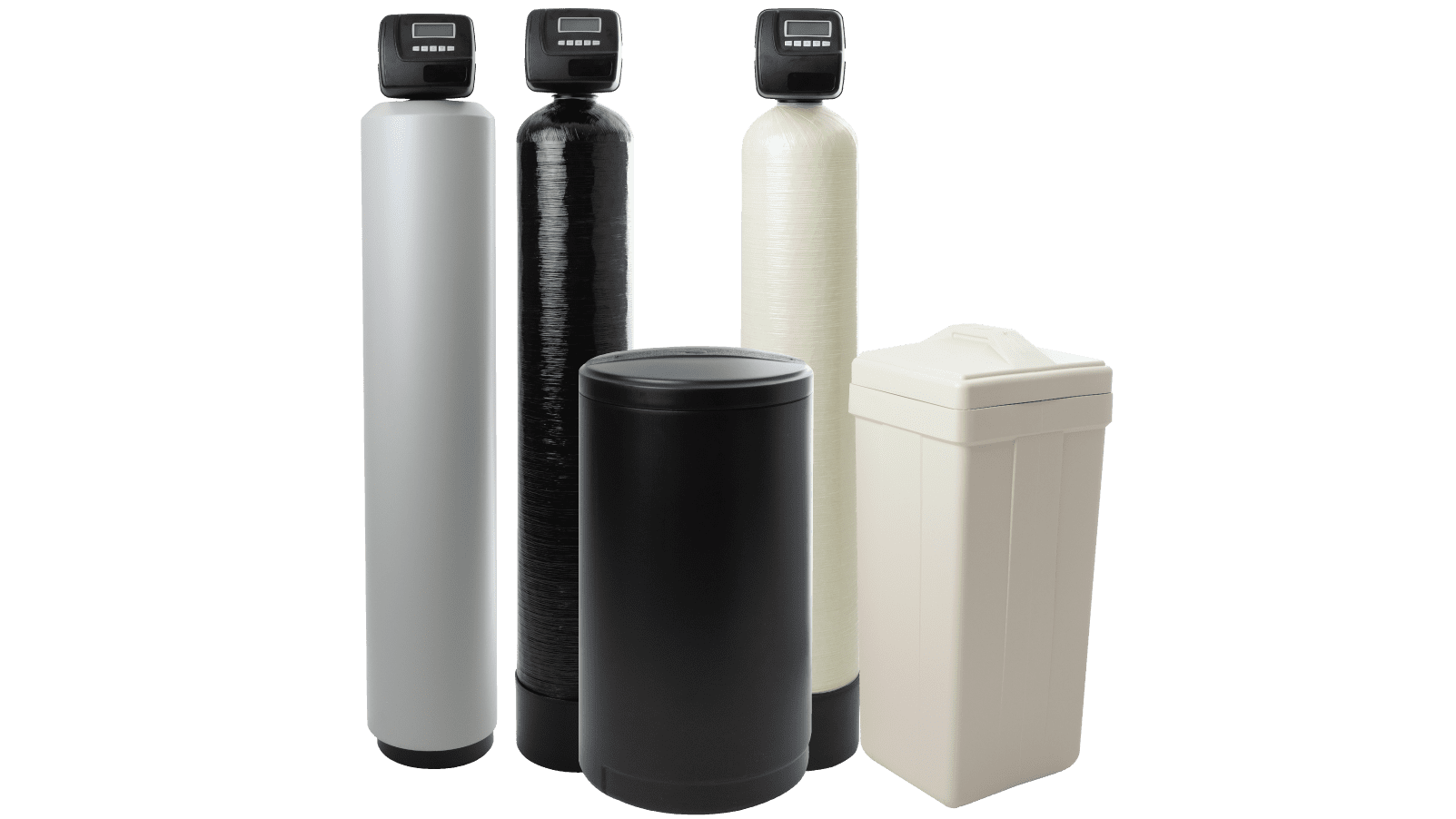
Your morning shower feels different lately, but you can't quite put your finger on what changed. This subtle shift means your system is losing its fight against minerals, says a Texas-based plumber from Complete Care Plumbing Electric & AC.
Water softeners work hard every single day, removing calcium and magnesium before they damage your home. But here's what most homeowners miss: the warning signs show up months before total failure hits. In this guide, Complete Care shares seven red flags that indicate it's time for a replacement.
A well-maintained water softener gives you eight to twelve years of reliable service before needing replacement. The actual lifespan depends on your water quality, how much water your family uses, and your maintenance habits. Areas with extremely hard water or high iron levels will see their systems wear out faster.
Regular cleaning every four months and proper salt levels help your system last longer. But even the best care can't stop the resin beads from eventually losing their mineral-swapping power. Your usage matters too—a family of five puts way more strain on the system than two people.
When your glasses come out of the dishwasher looking cloudy and spotted, your softener isn't catching minerals anymore. You'll see a filmy residue that refuses to wipe off, no matter how hard you scrub. Your dishes might even feel gritty or rough to the touch after washing and drying.
White crusty deposits around your faucets and showerheads are minerals that shouldn't be there at all. You might also spot reddish or yellowish stains near drains, which means iron is slipping through, too. These buildups return quickly after cleaning, and soap scum becomes nearly impossible to remove from surfaces.
Your soap and shampoo stop lathering properly, forcing you to use twice as much product. That squeaky-clean feeling after showering disappears, replaced by skin that feels sticky or filmy.
What happens to your laundry:
The minerals in hard water bind with detergent, preventing it from cleaning your clothes effectively. This leaves soap residue trapped in the fabric fibers, making everything feel rough and look dull.
That itchy, tight feeling after showering happens because soap residue sticks to your skin instead of rinsing clean. Your hair becomes brittle and dull, losing its natural shine no matter what products you use. Some people develop rashes or dry patches that moisturizer can't seem to fix completely.
The minerals in hard water strip away your skin's natural oils, leaving it dry and irritated. Your scalp might feel itchy, too, and dandruff problems often get worse with hard water exposure.
Mineral scale slowly builds up inside your pipes, making the openings smaller and reducing water flow throughout your house. Your showerhead might barely trickle when it used to have strong pressure just months ago. The water heater works overtime trying to heat through layers of calcium deposits on its elements.
This extra work shows up on your energy bill as the water heater runs longer and uses more power. Some homeowners see their bills jump by twenty to thirty percent when scale buildup gets bad.
The water from your tap develops a metallic or mineral taste that wasn't there before. Some people notice their water feels different in their mouth, almost like it has texture. These changes happen slowly, so you might not notice until someone else mentions that your water tastes weird.
Equipment that suffers from hard water:
Every appliance that uses water becomes a victim of mineral buildup when your softener stops working correctly.
Ignoring these warning signs leads to expensive problems that could have been prevented with timely softener replacement. A water heater struggling with scale buildup wastes hundreds of dollars yearly in extra energy costs alone. Replacing appliances damaged by hard water costs thousands more than fixing your softener would have.
Your plumbing system suffers permanent damage as minerals create blockages that require professional cleaning or pipe replacement. Those visible stains on fixtures represent much worse damage happening inside pipes, where you can't see it.
Sometimes, a simple fix like breaking up a salt bridge or adjusting settings solves your water problems completely. But systems older than ten years usually cost more to repair than they're worth in the long run. Newer models use demand-initiated regeneration, which only regenerates when needed instead of on fixed schedules.
A trained technician can test your water and inspect your system to give honest advice about your options. They check things like whether your hardness setting matches your actual water conditions or if cleaning might help. Getting professional input helps you avoid wasting money on repairs that won't last.
Don't wait until multiple problems pile up and fixing them costs thousands in repairs. The sooner you address softener problems, the more money you save on appliances, plumbing, and energy bills.
Working with experienced water softening professionals ensures you get the right solution for your specific water conditions and household needs.


