Colorado Springs auto experts warn that children’s everyday play often leaves lasting damage on vehicle paint. With car prices at record highs, Paint Protection Film (PPF) is emerging as a practical solution, offering families long-term defense, peace of mind, and stronger resale value.
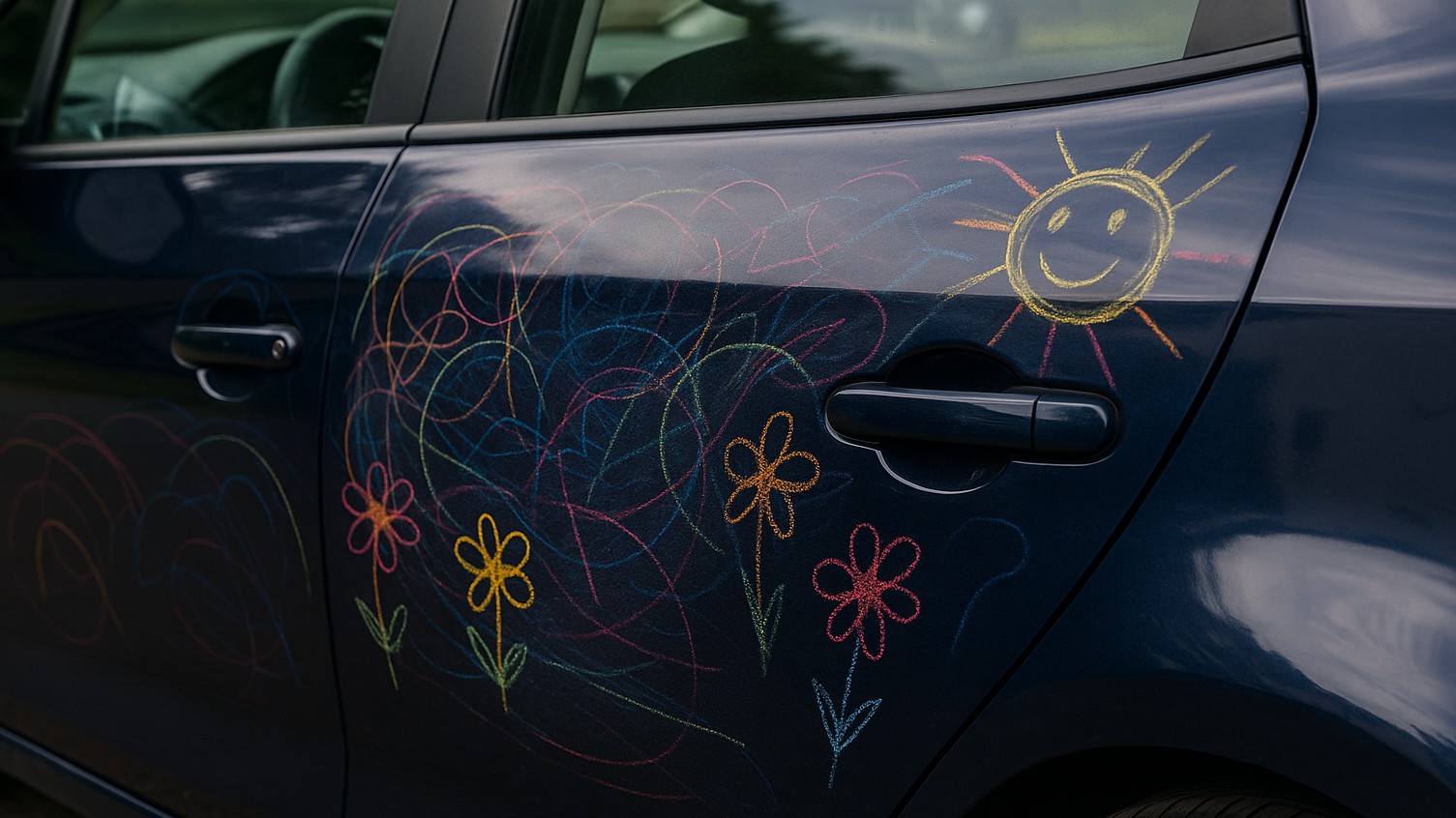
Anyone who has raised children knows that family life is full of surprises. Some are magical — first steps, first words, the joy of watching kids discover the world. Others are less magical — like finding a bright green crayon masterpiece scribbled across the side of the family SUV.
For parents in Colorado Springs and beyond, vehicles aren’t just tools for commuting. They’re investments, often the second most expensive purchase after a home. With the average price of a new car now hovering above $47,000, protecting that investment has never been more important. Yet as local auto experts have noticed, the real threat to paint surfaces often isn’t harsh weather or careless drivers. It’s kids being kids.
Children rarely intend to cause damage. But their natural curiosity and boundless energy often collide with cars in ways that leave lasting marks.
Parents may laugh in the moment — after all, it’s part of raising kids — but the long-term consequences are costly. Unlike stains on clothing or juice spilled on a carpet, scratches and chips don’t wash away. They linger, reducing both the vehicle’s appearance and its resale value.
Paint damage from kids isn’t new, so why are auto shops reporting a rise in concern? The answer lies in economics and longevity.
Families are keeping cars longer. With rising prices and high interest rates, most households are holding onto vehicles well beyond the typical trade-in cycle. That means damage that might have been ignored in the past now sticks around for years.
At the same time, paint technology has evolved. Modern automotive finishes are designed for brilliance and depth but are often softer and more vulnerable than older paints. Combine that with Colorado’s high-altitude sun exposure, and even minor scratches can accelerate fading and oxidation.
For years, Paint Protection Film (PPF) was a luxury reserved for high-end sports cars. Owners of Teslas, Porsches, or BMW M-series models were the early adopters. Today, the demographic is shifting. Families driving SUVs, minivans, and even sedans are turning to PPF as a practical safeguard against daily life.
PPF is a transparent urethane film applied to exterior panels. It serves as a sacrificial layer, absorbing the scuffs, scratches, and chips that would otherwise cut into paint. The latest films come with self-healing properties, meaning light scratches disappear when exposed to heat.
In essence, PPF gives families something they desperately need: peace of mind. Kids can climb into the car with soccer cleats or swing open a door in a crowded parking lot without leaving permanent damage.
Jesse, owner of Elite Auto Pro in Colorado Springs, has seen the trend firsthand. “It’s no longer just about luxury vehicles. Families are recognizing that protecting a $50,000 SUV makes just as much sense as protecting a $150,000 sports car,” he explained. “We’ve had parents come in after discovering their child used the hood as a chalkboard. PPF can’t erase what’s already happened, but it can prevent it from happening again.”
Other local experts echo the sentiment. Insurance adjusters note that many paint repairs caused by “family mishaps” fall below deductible thresholds, leaving parents to pay out of pocket. Preventative protection reduces both repair costs and the stress of constant vigilance.
Beyond the emotional relief, there’s a practical financial argument. Vehicles with flawless paint command higher resale or trade-in values. According to resale analysis, maintaining pristine exterior surfaces can increase a vehicle’s value by several thousand dollars.
When comparing costs, vinyl wraps typically last two to three years under Colorado’s climate, while modern PPF films are backed by 7–10 year warranties. The upfront investment pays for itself in durability and reduced repainting or correction costs.
Picture the scenario: It’s Saturday morning, and the minivan is parked in the driveway. A bike falls against the passenger door, leaving a gouge. Later, a soccer cleat kicks the rear bumper as the kids pile in for practice. By evening, there’s a Popsicle drip that etches into the clear coat.
Individually, each incident seems small. Together, they add up to a vehicle that looks years older than it actually is. For many parents, the choice is no longer between protecting paint or not — it’s between constant frustration and proactive prevention.
The rise of PPF as a mainstream option reflects a cultural shift. Vehicle protection is no longer viewed as vanity for car enthusiasts; it’s a necessity for families managing the realities of everyday life.
Colorado Springs, with its blend of active outdoor lifestyles and harsh environmental conditions, may be at the forefront of this trend. Here, where kids grow up surrounded by trails, sports, and play, vehicles inevitably bear the marks of adventure.
Cars are built to transport families safely. But preserving their appearance and value requires foresight. As auto experts point out, children will always be inventive, playful, and sometimes messy. That’s part of what makes them wonderful.
For parents, the challenge lies in balancing that joy with the responsibility of protecting major investments. Paint Protection Film provides a solution — one that lets kids be kids, while vehicles remain looking their best for years to come.
For more information visit: https://eliteautoprocoloradosprings.com/paint-protection-film/


