When pests invade your DC-area home, how do you know if it’s just an annoyance or a genuine emergency? Certain warning signs demand immediate action, and you could face serious health risks and thousands in property damage if you ignore them.
Pest problems in the Washington DC metro area can escalate from minor nuisances to genuine emergencies faster than most property owners realize. The region's humid climate, combined with dense urban development, creates ideal conditions for rapid pest reproduction and spread. That's a problem.
Recognizing when a pest situation crosses the threshold from manageable to emergency requires an understanding of five critical warning signs. Keep in mind that delays could result in serious health risks, extensive property damage, or complete loss of control over the infestation.
The difference between routine pest control and emergency response often comes down to timing and severity. Professional pest control services evaluate these factors to determine appropriate response levels and treatment urgency.
Certain pest infestations pose immediate risks to human health that can't be delayed or managed with DIY solutions. These health emergencies require professional assessment and treatment within hours - not days or weeks.
Rodent infestations become medical emergencies when contamination of food and water sources occurs. Mice and rats spread salmonellosis through their droppings, which can contaminate kitchen surfaces, pantry items, and pet food within hours of initial contact.
Leptospirosis transmission happens through rodent urine in water sources, creating particular risks in basements, crawl spaces, and areas with plumbing leaks. Hantavirus poses the most serious threat, as the virus becomes airborne when dried rodent droppings are disturbed during cleanup attempts.
An emergency response will be necessary if rodent droppings appear in food preparation areas, if multiple rodents are seen during daylight hours, or if musty odors indicate large-scale nesting activity.
Cockroach allergens create emergency situations, too - particularly for children and adults with existing respiratory conditions. The proteins in cockroach saliva, feces, and shed body parts become airborne and trigger severe asthmatic reactions that can require hospitalization.
These allergens accumulate in HVAC systems, spreading throughout buildings and making entire structures uninhabitable for sensitive individuals. E. coli and Salmonella bacteria carried by cockroaches contaminate food surfaces, creating additional health risks that only compound the emergency situation.
Professional intervention will become critical when cockroaches appear in large numbers, when occupants experience unexplained respiratory symptoms, or when roaches are discovered in bedrooms and living areas.
Mosquitoes in the DC area can carry West Nile Virus, making population explosions around properties a health concern. While less common, there is still a concern for Zika virus during the warmer months, especially for pregnant women. Standing water from recent storms or irrigation systems can produce thousands of mosquitoes within days.
Blacklegged ticks transmitting Lyme disease also create emergency situations when large populations establish themselves in yards and recreational areas. Untreated Lyme disease leads to severe joint pain and neurological complications that can become permanent.
Are vector pests appearing in unusual numbers? Have multiple family members received bites? Do your pets show signs of tick-borne illnesses? All these indicate that your pest issue has become an emergency.
Structural damage from pest activity can escalate from minor cosmetic issues to major safety hazards within weeks.
Subterranean termites common in the DC area can compromise load-bearing wooden structures within a single season. Signs of emergency-level termite damage include sagging floors, hollow-sounding wood when tapped, and visible mud tubes on foundation walls.
Carpenter ants excavate galleries in structural timbers, creating instability in walls, floors, and roofing systems. Unlike termites, carpenter ants don't consume wood but remove it to create nesting spaces, often targeting already moisture-damaged areas.
Powderpost beetles reduce wooden structures to powder-like sawdust, creating small, round holes that indicate ongoing structural compromise. You'll find that an emergency intervention is necessary when multiple holes appear - or when fine sawdust accumulates beneath wooden structures.
Electrical fire risks from rodent damage require immediate professional attention. Mice and rats chew through wire insulation, creating short circuits and sparking conditions that can ignite surrounding materials.
Warning signs of emergency electrical damage include flickering lights, burning odors near electrical panels, and visible wire damage in attics, basements, or wall cavities. Rodent-caused electrical fires can result in significant property damage and pose serious safety risks.
Emergency response becomes critical when electrical problems coincide with rodent sightings, when GFCI outlets trip repeatedly, or when circuit breakers activate without apparent cause.
Plumbing damage from rodent activity creates secondary problems - including mold growth, structural rot, and extensive water damage. Rats and mice chew through plastic pipes, particularly PEX tubing common in DC-area homes.
Insulation damage reduces energy efficiency and creates nesting materials that attract additional pests. Contaminated insulation requires complete removal and replacement, often costing thousands of dollars.
So, when water stains appear on ceilings or walls, when utility bills increase unexpectedly, or when musty odors indicate hidden water damage, that's when you'll know it's time for an emergency call.
The Washington DC region's unique climate conditions and urban environment create perfect conditions for explosive pest population growth that can overwhelm properties within days.
Summer humidity in the DC area accelerates reproduction cycles for ants, flies, and wasps. Warm temperatures combined with high humidity create ideal breeding conditions that can lead to rapid population increases.
Spring rainfall creates breeding habitats for mosquitoes while driving ground-dwelling pests like termites and ants toward structures seeking dry shelter. Heavy storms followed by hot weather create ideal conditions for rapid population explosions.
As such, emergency situations develop when large numbers of flying insects suddenly appear, when ant trails become visible throughout properties, or when wasp activity increases dramatically around building entrances.
Distinctive odors indicate large-scale pest infestations that have reached emergency levels. Mouse urine creates ammonia-like smells in enclosed spaces, while rat infestations produce musty, oily odors from their fur and nesting materials.
Cockroach pheromones create sweet, musty smells that intensify as populations grow. These chemical signals attract additional cockroaches, accelerating infestation growth and making professional intervention increasingly urgent.
Needless to say, it's a definite emergency when odors persist after cleaning, when smells intensify in specific areas of buildings, or when occupants experience headaches or nausea from pest-related odors.
Commercial kitchens, healthcare facilities, and childcare centers can't tolerate any level of pest activity - and that's due to strict health and safety regulations. Even minor pest sightings in these environments require immediate professional intervention.
Food service establishments face potential closure orders when pest activity is discovered during health inspections. Emergency pest control prevents business interruption and protects public health by maintaining sanitary conditions required for food handling licenses.
Medical facilities and schools serve vulnerable populations that face higher risks from pest-transmitted diseases. Emergency protocols ensure compliance with healthcare regulations and protect immunocompromised individuals from additional health threats.
Sleep disruption from pest activity creates emergency situations that affect physical and mental health. Bed bugs, rodents, and cockroaches active during nighttime hours prevent restful sleep and create chronic stress conditions.
Food contamination makes kitchens unusable and forces families to rely on expensive restaurant meals or processed foods. Pantry pests, rodents, and flying insects can contaminate entire food stores within hours of initial infestation.
Psychological stress from ongoing pest problems, particularly bed bugs, affects work performance, family relationships, and overall quality of life. Emergency interventions will be necessary when pest anxiety interferes with normal daily activities or when family members refuse to remain in affected areas.
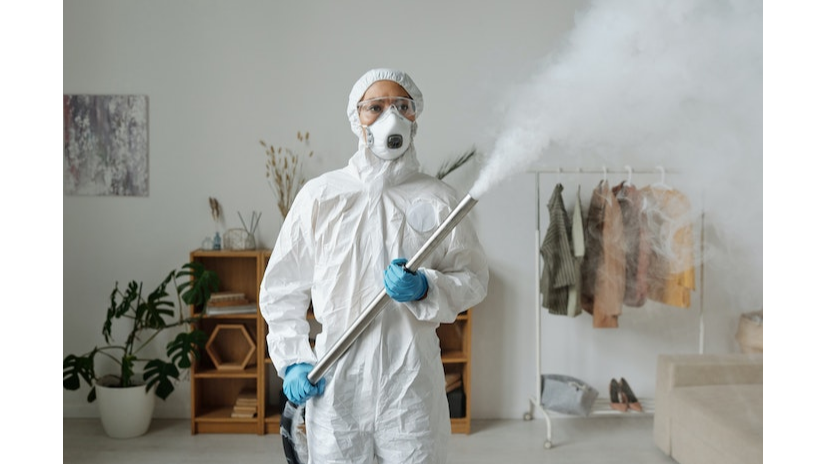
Immediate assessment and treatment prevent minor pest problems from escalating into major health and property emergencies. Professional pest control teams identify emergency situations, implement containment measures, and develop treatment plans that address both immediate threats and long-term prevention.
Specialized equipment and techniques handle emergency situations that go way beyond the capabilities of standard pest control methods. Emergency response includes industrial-grade treatments, structural modifications, and ongoing monitoring to ensure complete elimination of threatening pest populations.
Documentation and follow-up services provide peace of mind and regulatory compliance for commercial properties. Emergency pest control creates detailed records that satisfy insurance requirements and health department regulations while ensuring problems don't return.


