Military personnel need specialized rehab addressing both substance abuse and PTSD, with 30% experiencing binge drinking compared to 24% of civilians. Evidence-based treatments like trauma-focused therapies and military-specific group therapy yield better outcomes for service members facing unique deployment challenges.
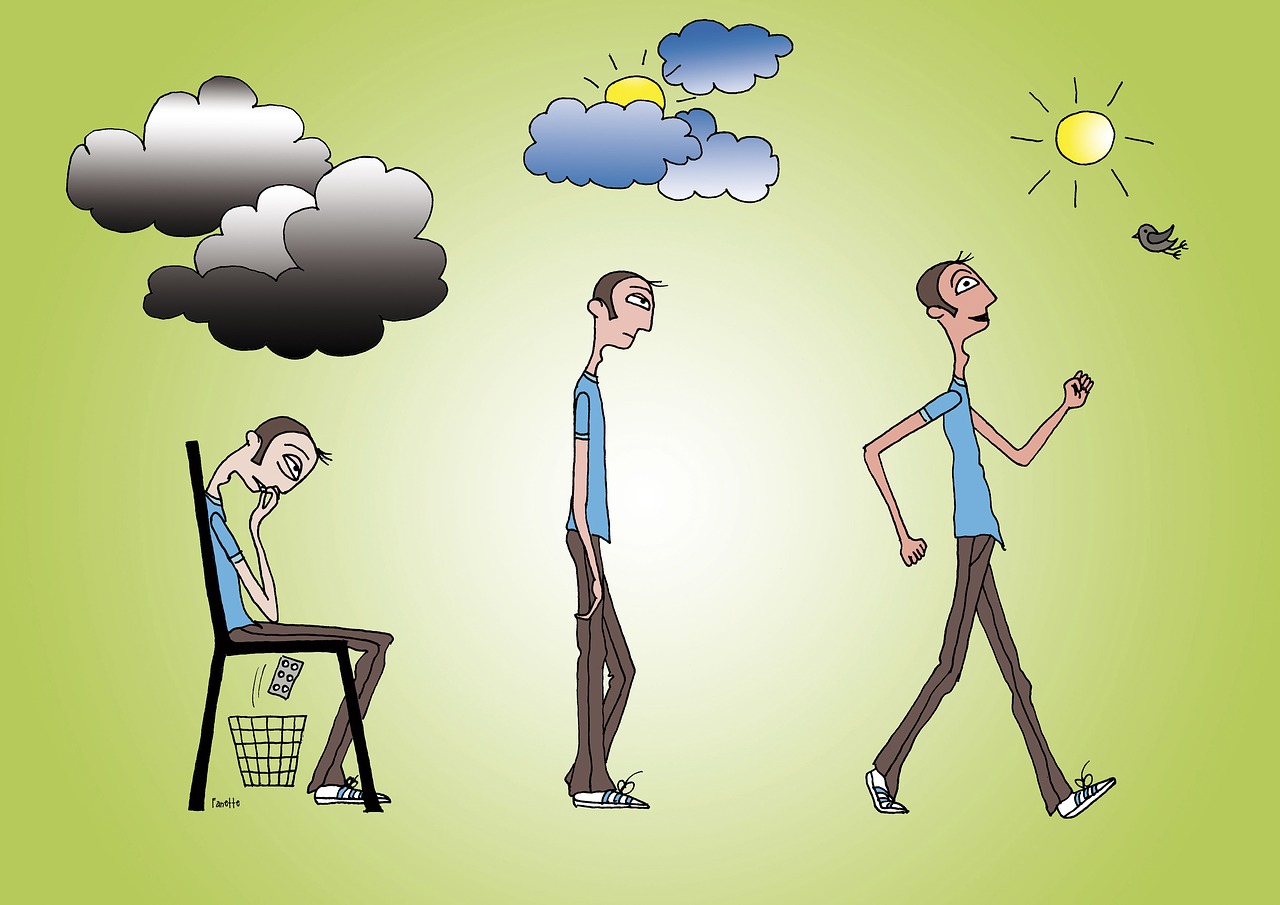
Military service members face a unique battle beyond the battlefield – one that often goes unrecognized until it becomes unmanageable. The distinct stressors of military life, from combat experiences to the challenges of deployment and reintegration, create specific vulnerabilities to substance abuse that standard civilian rehab programs may not adequately address.
Ona Treatment Center, an alcohol and dual diagnosis treatment center in North California, highlights that military personnel require specialized rehabilitation approaches that recognize their unique experiences and challenges. The combination of high-stress environments, exposure to trauma, and military culture creates a distinct pathway to addiction that requires targeted intervention strategies.
The data speaks volumes about this hidden battle: military personnel consistently show higher rates of substance abuse than their civilian counterparts, with alcohol being the primary substance of concern. This reality necessitates rehab programs specifically designed for those who serve our country.
Alcohol misuse stands as the most prevalent substance abuse issue among military personnel. Studies show that active-duty service members report binge drinking at a rate of 30% – significantly higher than the 24% rate observed in civilian populations. This elevated consumption often begins as a coping mechanism for stress but can quickly escalate into dependency.
The military culture, which sometimes normalizes drinking as a form of camaraderie or stress relief, can inadvertently facilitate problematic drinking patterns. This cultural aspect must be specifically addressed in effective rehabilitation programs for service members.
The physical toll of military service often leads to legitimate prescriptions for pain management. However, these necessary medications can become problematic when used to self-medicate emotional pain as well. Many service members find themselves dependent on prescription medications originally prescribed for combat-related injuries.
Effective military rehab programs must address both the physical pain management needs and the psychological aspects of medication dependence, offering alternative pain management strategies alongside addiction treatment.
Substance abuse directly affects military readiness and operational effectiveness. From compromised decision-making to diminished physical capabilities, addiction undermines the very qualities that make service members effective. This creates a cycle where performance pressure can increase substance use, which further decreases performance.
Rehabilitation programs that emphasize restoring military readiness as a treatment goal tend to connect more effectively with service members, providing motivation beyond personal recovery.
The relationship between combat trauma and substance abuse follows a predictable but devastating pattern. When exposed to the intense stress and trauma of combat situations, the brain's natural response systems can become dysregulated. Many service members turn to alcohol or drugs to numb intrusive memories, manage hypervigilance, or simply achieve sleep when nightmares persist.
This self-medication approach provides temporary relief but ultimately worsens both the addiction and the underlying trauma. The substances that initially seem to help actually prevent the brain from processing traumatic memories naturally, creating a dependency cycle that becomes increasingly difficult to break without professional intervention.
The numbers reveal the depth of this connection. According to data from the U.S. Department of Veterans Affairs, 51.9% of men with PTSD also develop substance use disorders. For women with PTSD, the rate is 27.9% – still significantly higher than the general population. Among veterans who served in Operations Iraqi Freedom and Enduring Freedom, 11-20% experience PTSD in any given year.
These statistics highlight a critical reality: for many military personnel, addiction doesn't exist in isolation but is intertwined with combat-related psychological trauma. This comorbidity demands specialized treatment approaches that address both conditions simultaneously.
Treating either PTSD or substance abuse in isolation typically leads to poor outcomes and high relapse rates. Research consistently shows that integrated treatment – addressing both conditions simultaneously – produces the most successful recovery outcomes for military personnel.
Integrated treatment approaches recognize that the symptoms of each condition can trigger or worsen the other. For example, attempting sobriety without addressing PTSD symptoms often leads to relapse as the individual seeks relief from untreated trauma. Similarly, treating PTSD without addressing substance dependence can be ineffective as continued substance use interferes with trauma processing.
Trauma-focused therapies have proven particularly effective for military personnel with co-occurring PTSD and substance use disorders. Eye Movement Desensitization and Reprocessing (EMDR) helps the brain process traumatic memories in a controlled, therapeutic environment. Cognitive Processing Therapy (CPT) helps service members identify and challenge distorted thoughts related to their trauma.
These specialized approaches directly address the traumatic experiences that often underlie addiction in military populations, providing relief from PTSD symptoms while supporting recovery from substance abuse.
Cognitive Behavioral Therapy (CBT), adapted specifically for military contexts, has shown excellent results. This approach helps service members identify the connection between thoughts, feelings, and behaviors related to both trauma and substance use.
Military-focused CBT often incorporates elements of military culture and experiences, making it more relatable and effective for service members. It provides practical skills for managing triggers, cravings, and trauma responses without resorting to substances.
Physical fitness has always been a cornerstone of military identity and culture. Effective rehabilitation programs for service members often incorporate fitness components that rebuild physical strength while supporting psychological recovery.
Exercise naturally produces endorphins that improve mood and reduce stress, helping to address the neurochemical imbalances that both PTSD and substance abuse can create. For many service members, physical training also provides a sense of familiar structure and accomplishment that supports overall recovery.
Group therapy with fellow service members creates a powerful healing environment. Military personnel often respond more openly to peers who truly understand their experiences, creating opportunities for authentic connection and healing that might not be possible in civilian groups.
These specialized groups address military-specific concerns like reconciling combat experiences with civilian values, navigating the military healthcare system, and maintaining recovery within military culture. The camaraderie formed in these groups often becomes a crucial support system for long-term sobriety.
For some service members, particularly those with severe opioid or alcohol dependence, medication-assisted treatment (MAT) can be an important component of recovery. These medications can help manage withdrawal symptoms, reduce cravings, and stabilize brain chemistry while other therapeutic interventions address the psychological aspects of addiction and trauma.
When properly integrated with therapy and support services, MAT can significantly improve outcomes for military personnel with substance use disorders, especially when those disorders co-occur with PTSD or other mental health conditions.
Inpatient rehabilitation programs offer an immersive, structured environment that can be particularly beneficial for service members with severe substance use disorders or those with significant PTSD symptoms. The 24/7 support and removal from environmental triggers create optimal conditions for the early stages of recovery.
Many military personnel find that the structure and discipline of inpatient programs align well with military values and routines. These programs also provide a protective environment where service members can focus entirely on recovery without the stressors and responsibilities of daily military life.
Outpatient rehabilitation programs offer flexibility that can be crucial for active duty military personnel who cannot take extended leave from their duties. These programs allow service members to continue working while receiving treatment during off-duty hours, making recovery possible without career interruption.
Modern outpatient programs for military personnel often include evening sessions, weekend intensives, and telehealth options that accommodate demanding military schedules. For service members with moderate substance use disorders who maintain strong motivation and have supportive environments, outpatient treatment can be highly effective.
The level of command involvement in your treatment decision can significantly impact your experience. In some cases, commanding officers mandate treatment following substance-related incidents. In others, service members self-refer confidentially before performance issues arise.
When command supports voluntary treatment-seeking, outcomes tend to be more positive. Many military units now recognize that supporting a service member's recovery strengthens unit readiness rather than compromising it. Understanding your command's approach to substance abuse treatment can help you make the most appropriate choice for your situation.
The most pervasive barrier to effective treatment for military personnel remains stigma. The military culture of self-reliance and strength can make seeking help feel like a personal failure rather than a courageous step toward health and improved performance.
Effective military-focused rehabilitation programs directly address this stigma, reframing treatment-seeking as a sign of commitment to duty and readiness rather than weakness. Peer support from fellow service members who have successfully completed treatment can be particularly powerful in overcoming stigma barriers.
Concerns about confidentiality and career impact prevent many service members from seeking the help they need. While military policies have evolved to encourage treatment-seeking, many personnel remain uncertain about what information will reach their command and how it might affect their career trajectory.
Understanding the specific confidentiality protections available through various treatment options is essential. Many service members are unaware that certain pathways to treatment offer greater privacy protections than others, or that seeking help voluntarily often has fewer career implications than waiting until substance use causes performance or disciplinary problems.
Military regulations regarding substance use and treatment can seem complex and sometimes contradictory. Navigating these policies while focusing on recovery adds an additional layer of stress that civilian patients don't face.
Rehabilitation programs with experience serving military populations can provide invaluable guidance through this regulatory landscape. They can help service members understand reporting requirements, treatment documentation, and how to advocate for their recovery needs within military systems.
TRICARE offers comprehensive coverage for substance abuse treatment, but many service members aren't fully aware of their benefits. Depending on your specific TRICARE plan and status, coverage may include detoxification services, inpatient rehabilitation, intensive outpatient programs, and ongoing therapy.
Military rehabilitation programs that work directly with TRICARE can help maximize your benefits and minimize out-of-pocket expenses. Understanding your coverage before seeking treatment can remove financial barriers and expand your treatment options.
Beyond TRICARE, numerous financial resources exist specifically to support military personnel seeking addiction treatment. These include programs through the Veterans Administration, non-profit organizations dedicated to military health, and state-level initiatives for service members.
Many treatment facilities also offer military discounts, sliding scale fees, or scholarship programs specifically for active duty personnel, veterans, and their families. These additional resources can help cover costs not addressed by TRICARE or provide support services that enhance recovery outcomes.
Long-term recovery for military personnel often depends on building connections with others who understand the unique challenges of military life in recovery. Fellow veterans who maintain sobriety can provide both inspiration and practical guidance for handling triggers specific to military service.
Many successful recovery programs create these connections through alumni groups, specialized military recovery meetings, and mentorship programs that pair newly recovering service members with those further along in their sobriety journey.
Deployment presents unique challenges for service members in recovery. Limited access to support meetings, increased stress, possible combat exposure, and separation from established support networks can all threaten sobriety during deployment.
Effective long-term recovery plans for military personnel include specific strategies for maintaining sobriety during deployment. These might include digital recovery meetings, pre-arranged check-ins with treatment providers, and personalized coping tools that work in deployed environments.
The transition from military to civilian life represents a particularly vulnerable time for recovery. Loss of structure, purpose, and camaraderie, combined with the challenges of finding employment and reintegrating into civilian communities, can trigger relapse for many veterans.
Comprehensive military recovery programs prepare service members for this transition with specific skills and resources. Connecting transitioning members with veteran-specific recovery communities, vocational resources, and transitional support services significantly improves long-term outcomes.
The strength that defines military service – courage, commitment, and perseverance – are the same qualities that can fuel successful recovery. By choosing specialized treatment that addresses both addiction and the unique aspects of military experience, service members can achieve lasting recovery while maintaining or even enhancing their military readiness.
Ona Treatment Center offers specialized, TRICARE-approved rehabilitation programs designed specifically to meet the unique needs of military personnel facing substance use challenges.


