A 30-minute foot soak does more than feel good — it reduces swelling, eases muscle tension, and can genuinely improve your sleep. Here’s what actually happens during a soak, which features are worth paying for, and what to look for before you buy.
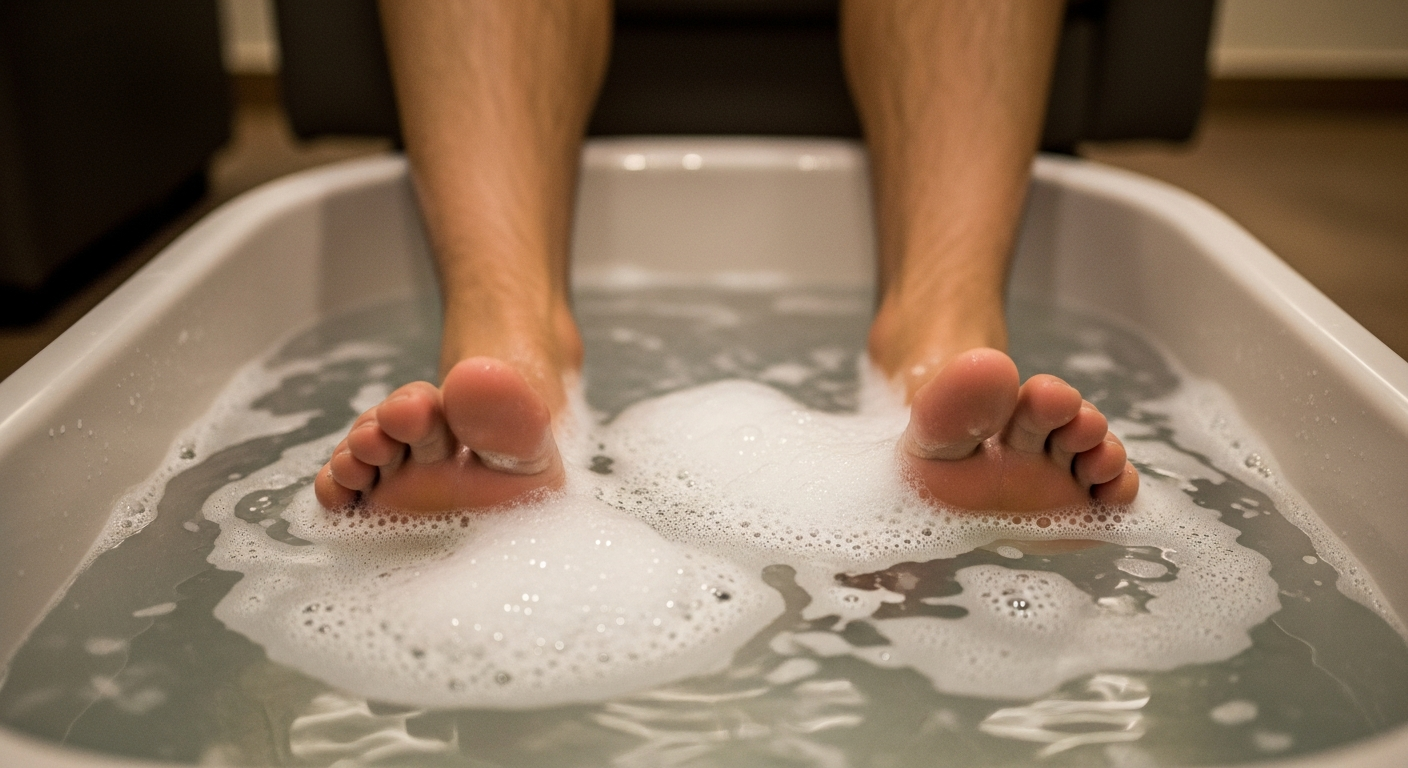
Between school runs, work calls, meal prep, and everything else that fills a mom's day, self-care often gets pushed to the bottom of the list. Recovery doesn't have to be complicated. A foot spa — used consistently — is one of the simplest and most effective tools for winding down, managing physical tension, and reclaiming a little quiet. This guide covers what actually happens during a soak, which features are genuinely worth paying for, and what to look for when choosing the right at-home foot bath.
Feet take on an enormous load throughout the day. Standing, walking, carrying groceries, chasing toddlers — it all adds up. The cumulative effect of gravity causes fluid to pool in the lower extremities as the day goes on, which is why feet tend to feel heaviest and most sore by evening. A warm foot soak directly addresses this by causing the veins in the feet to dilate. As blood vessels open up, circulation improves, and more oxygen and nutrients are delivered to tired muscles and tendons.
The mental component matters just as much as the physical. Taking 30 minutes to sit still, without screens or demands, gives the nervous system a chance to shift out of high-alert mode. That transition alone — from reactive to restful — is something most busy moms rarely get during daylight hours.
Tight, sore muscles don't just affect the feet. Tension in the arches, heels, and calves often radiates upward, contributing to lower back discomfort and general body fatigue. Warm water relaxes the muscle fibers directly, while improved circulation delivers the oxygen and nutrients those muscles need to recover properly.
Foot spas with massage rollers or water jets add another layer to this. Targeted pressure on the arch, ball, and heel of the foot mimics the effect of manual massage, helping to break up tension in areas that carry the most load throughout the day. Regular use doesn't just feel good in the moment — it can gradually reduce the baseline level of muscle soreness carried from one day to the next.
One of the more surprising benefits of an evening foot soak is how much it can improve sleep quality. Warm water immersion raises the body's surface temperature, and as the body cools down afterward, it signals to the brain that it's time to sleep. This temperature drop mimics the body's natural pre-sleep cooling process, making it easier to fall asleep and stay asleep.
For moms dealing with stress-driven insomnia or racing thoughts at bedtime, this physical wind-down ritual can be more effective than scrolling or watching TV. The combination of warmth, reduced muscle tension, and a quieter nervous system creates the right conditions for real, restorative rest — something that directly affects energy and mood the following day.
Wellness experts consistently point to consistency as a key variable in getting lasting results from a foot spa routine. Using a foot spa for 20-30 minutes, two to three times a week, supports sustained circulation improvements and stress reduction over time. The body responds well to regular, moderate input — and those sessions build on each other in ways that occasional use simply doesn't replicate.
Temperature control is the single most important feature in an at-home foot spa. Dr. Miguel Cunha, a podiatrist and founder of Gotham Footcare in New York City, recommends keeping water temperature between 92°F and 100°F. Anything above 100°F is considered unsafe for people with certain health conditions, including diabetes, poor circulation, and pregnancy.
Look for models with a digital thermostat and clearly labeled Fahrenheit settings rather than vague low-medium-high options. Some entry-level foot spas don't actively heat the water — they only slow down cooling. That distinction matters, especially during longer sessions in cooler rooms. A foot spa that maintains temperature rather than passively losing it delivers a more consistent, effective soak from start to finish.
Jets and massage rollers are not the same thing, and knowing the difference helps when comparing models. Water jets circulate bubbles through the water to create a gentler, more ambient pressure across the foot. Massage rollers make direct physical contact with the sole, arch, and heel — producing targeted relief that's better for knots, plantar tension, and localized soreness.
The most effective foot spas for moms dealing with real physical fatigue include both. Motorized 3D rollers — sometimes called shiatsu massagers — replicate the feel of manual finger pressure and hit pressure points without being overly aggressive. If the primary goal is deep muscle relief rather than ambiance, prioritize rollers over jets.
Storage is a real constraint in most family homes. A foot spa that's easy to put away is far more likely to be used regularly than one that gets tucked into a closet and forgotten. Collapsible foot spas fold flat after use, reducing their footprint significantly — a meaningful difference in a crowded bathroom cabinet.
Not all add-ons are worth paying extra for, but a few deliver consistent, practical value:
Features like waterfall effects or specialty bubble modes tend to be more cosmetic than therapeutic. They create ambiance but don't meaningfully change the physical outcome of a soak — so they shouldn't be a deciding factor when comparing models at similar price points.
For most healthy adults, a warm foot soak is a safe and low-risk activity. A few conditions require extra caution — and in some cases, a conversation with a doctor before using any heated foot spa.
The heat that makes a foot spa so effective can also create risk for people with certain conditions. Before using a foot spa, consult a healthcare provider if any of the following apply:
For everyone else, keeping water temperature within the 92°F-100°F range and limiting sessions to 30 minutes is a safe and effective starting point.
Standard foot spas work from the outside in — warm water, pressure, and heat do most of the heavy lifting. Ionic foot spa technology works differently. A stainless steel array is submerged in salted water and generates negatively charged ions, which are thought to interact with the body through the soles of the feet. The process is sometimes compared to grounding or earthing — the idea of reconnecting the body's electrical balance through direct contact — but conducted through water and amplified by the ionic charge.
The scientific evidence specifically supporting ionic detoxification as a toxin-removal mechanism is still debated within the medical community. What is consistently reported — both anecdotally and in general wellness research — is that the combination of warm water, ionic activity, and the ritual of a dedicated 30-minute session produces real, noticeable effects for many users. For moms who have already tried standard foot soaks and want to see whether deeper recovery is possible, ionic technology represents the next meaningful step up.


