Are you concerned about your child’s narrow palate? Palate expanders widen the upper jaw, working best in children 6-10 before bone fusion. They correct crossbites, create space for crowded teeth, and improve breathing – potentially preventing extractions or surgeries later in life.
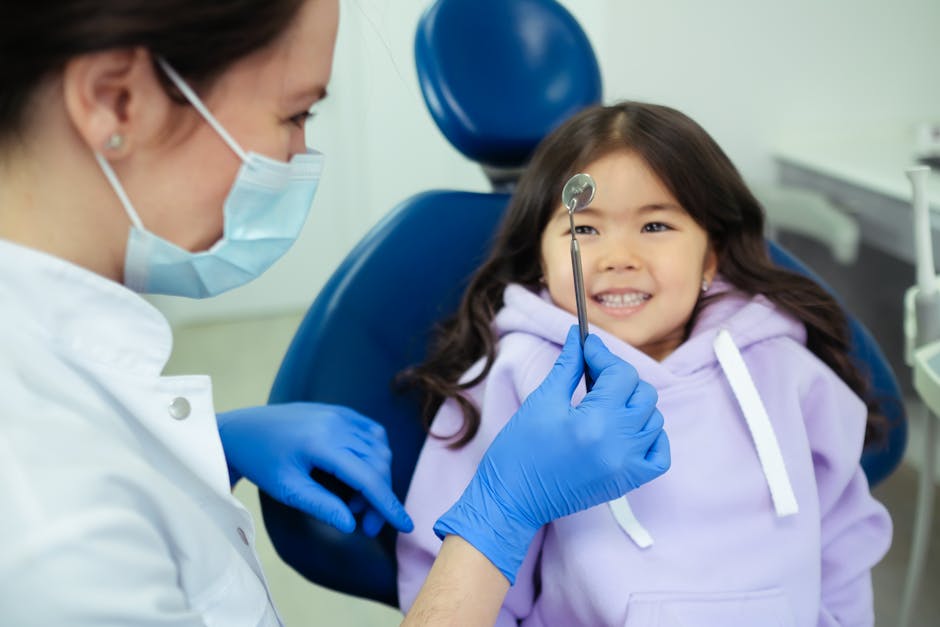
A palate expander can gently reshape your child's developing jaw to prevent years of orthodontic complications down the road. These specialized orthodontic devices widen the upper jaw (maxilla) in growing children, addressing problems before they become more difficult to correct. are considered one of the most valuable early intervention tools in modern orthodontics.
Your child might need one if they have a crossbite, where the upper teeth fit inside the lower teeth rather than outside them as they should. Left untreated, crossbites can lead to asymmetric jaw growth, excessive tooth wear, and even TMJ problems. Narrow palates also frequently cause crowded teeth, which can become increasingly difficult to correct as children grow older. Additionally, a constricted upper arch can contribute to breathing difficulties and airway issues that affect sleep quality and overall health.
Palate expanders work on a simple principle, despite their sophisticated results. The maxilla (upper jaw) consists of two separate halves joined by a suture that runs down the middle of the palate. In children and young adolescents, this suture hasn't yet fused, providing an opportunity to gently separate these bones.
The expander itself is typically attached to the upper molars using bands or bonding material. At the center of the device is a small screw mechanism. When this screw is turned (usually once per day) using a special key, the expander creates gentle pressure that gradually pushes the two halves of the maxilla apart by approximately 0.25 mm per turn.
As the palatal bones separate, the body recognizes the gap and initiates bone remodeling. Special cells called osteoblasts begin creating new bone to fill the space between the separated palatal halves. Meanwhile, the tissues and structures surrounding the maxilla adapt to accommodate this expansion.
This biological response is crucial because it's not just about moving teeth – it's about reshaping the actual bone structure of the jaw. The new bone formation ensures that the expansion is stable and permanent, creating a wider dental arch that will accommodate adult teeth and support proper jaw function.
"The treatment process with a palate expander typically unfolds in two distinct phases," explains Calgary clinic Impact Orthodontics. "The active phase comes first, lasting anywhere from a few weeks to a few months, depending on how much expansion is needed. During this time, the expander is regularly adjusted to gradually widen the palate."
Once the desired width is achieved, the retention phase begins. The expander remains in place for an additional 3-6 months without further adjustments. This crucial period allows the new bone to fully form and stabilize in the expanded position. All told, most patients wear their expander for about 6-12 months total, though this varies based on individual needs and treatment goals.
The most commonly used palate expanders are fixed devices that remain cemented to the upper molars throughout treatment. The Hyrax expander (also called a Rapid Palatal Expander or RPE) is the most popular option, featuring a central screw mechanism and metal framework that attaches to the molars. This design focuses the expansion force directly on the teeth and indirectly on the palatal suture.
The Haas expander is similar but includes acrylic pads that rest against the palate, distributing force more evenly between the teeth and palatal tissues. This design can be particularly useful for older children who need more substantial expansion, as it provides additional anchorage and stability during the expansion process.
For less severe cases or as part of a phased treatment approach, removable expanders may be recommended. These appliances look similar to retainers but contain expansion screws that can be adjusted as prescribed. While convenient for oral hygiene, removable expanders require excellent compliance—they must be worn 22+ hours daily to be effective. They generally produce slower results than fixed expanders and are typically used for minor expansion needs or for maintaining expansion achieved by fixed appliances.
The Rapid Palatal Expander represents a treatment philosophy rather than a specific design. RPEs (which may be Hyrax or Haas type) are activated more frequently—typically once daily—to achieve faster separation of the palatal suture. This approach uses the body's ability to quickly adapt to skeletal changes while the suture is still flexible, making it particularly effective for growing children who need significant expansion in a relatively short timeframe.
Timing is critical for palatal expansion. The procedure works best before the mid-palatal suture fuses, which generally occurs during puberty. For girls, the ideal treatment window is typically between ages 7-10, as the suture begins fusing earlier—usually before age 12. Boys have a slightly longer window, with optimal treatment between ages 7-12, as their sutures typically don't fuse until around age 14.
These age differences reflect the earlier onset of puberty in girls compared to boys. Starting treatment within these windows maximizes the skeletal component of expansion (actual widening of the jaw) versus just dental expansion (tilting of the teeth), resulting in more stable, long-term results.
"When palatal expansion is delayed beyond these ideal windows, treatment becomes progressively more challenging," adds Impact Orthodontics. "As the suture begins to fuse, achieving true skeletal expansion becomes difficult. Instead, expansion primarily occurs through dental compensation—the teeth tilt outward rather than the jaw actually widening. This dental-only expansion is less stable and more prone to relapse once the expander is removed."
Additionally, delayed treatment may lead to more discomfort during the expansion process as more force is required to achieve results. In some cases, the opportunity for non-surgical expansion may be lost entirely, necessitating more invasive interventions later.
While early intervention is ideal, options exist for older patients. For teenagers whose sutures have partially fused, modified expansion protocols using heavier forces or longer treatment durations may still achieve some degree of skeletal expansion, though results are less predictable.
For adults or older teens with fully fused sutures, surgical options become necessary for true skeletal expansion. Surgically-assisted rapid palatal expansion (SARPE) involves a minor surgical procedure to re-open the fused suture, followed by traditional expansion techniques. Alternatively, some orthodontists now use microimplant-assisted rapid palatal expansion (MARPE), which anchors the expander directly to the palatal bone using temporary mini-implants, potentially allowing non-surgical expansion in some adult patients.
The journey begins with a comprehensive examination including x-rays, photos, and possibly digital scans or impressions of your child's teeth. These records help the orthodontist determine if a palate expander is appropriate and which type would work best for your child's specific needs.
If an expander is recommended, the fitting appointment typically takes about 30-45 minutes. For fixed expanders, small separators may be placed between the molars a week before to create space for the metal bands. During the actual fitting, the orthodontist will select appropriately sized bands, cement them to the molars, and attach the custom-made expander. For removable expanders, the process is simpler, involving checking the fit and providing instructions for use.
Once the expander is in place, the active phase begins. Parents or caregivers are typically shown how to activate the expander using a special key that turns the central screw. Each turn expands the device by approximately 0.25 mm. The orthodontist will prescribe a specific turning schedule—usually once daily or twice daily for rapid expansion.
During this phase, which lasts anywhere from 2-8 weeks depending on how much expansion is needed, patients may notice gradual changes, including:
Regular check-up appointments (typically every 2-4 weeks) allow the orthodontist to monitor progress and make any necessary adjustments to the treatment plan. The active phase continues until the desired expansion is achieved—typically slightly over-expanding to account for some natural settling.
Standard children's doses of ibuprofen or acetaminophen can effectively manage the mild soreness or pressure sensations that typically occur after adjustments. These medications are especially helpful during the first few days after placement and following activations.
Stick to softer foods like yogurt, pasta, scrambled eggs, and smoothies during the first week and for a day or two after adjustments. This reduces pressure on sensitive teeth and minimizes discomfort while eating.
Apply orthodontic wax to any parts of the expander that may rub against the tongue or palate. This creates a smooth protective barrier that prevents tissue irritation and mouth sores while the child adapts to the appliance.
Have your child gently rinse with warm salt water (1/4 teaspoon salt in 8 ounces of water) several times daily to soothe any irritated areas and keep the expander clean, which can reduce discomfort.
If there's any external swelling or facial discomfort, applying ice packs to the outside of the cheeks for 10-15 minutes can provide relief by reducing inflammation.
Determining whether your child needs a palate expander begins with recognizing potential warning signs. If your child has crowded teeth, a narrow smile, a crossbite (where upper teeth fit inside lower teeth), difficulty breathing through their nose, or persistent thumb-sucking habits, they might benefit from an evaluation.
The best way to know for certain is to schedule a consultation with an orthodontist who specializes in early intervention treatment.
During this consultation, the orthodontist will examine your child's teeth, jaw structure, and breathing patterns. Special attention will be paid to the width of the upper jaw, the position of the teeth, and how the upper and lower jaws relate to each other. X-rays or digital scans may be taken to provide a comprehensive view of your child's oral development. By addressing skeletal issues early, palatal expansion often simplifies subsequent orthodontic care, potentially reducing treatment time and complexity.


