Think rats disappear when it gets cold? Think again. Washington DC homeowners face their worst rodent problems during the winter months – when desperate rats and mice aggressively target warm homes. Even worse, they can squeeze through gaps smaller than you’d ever imagine…
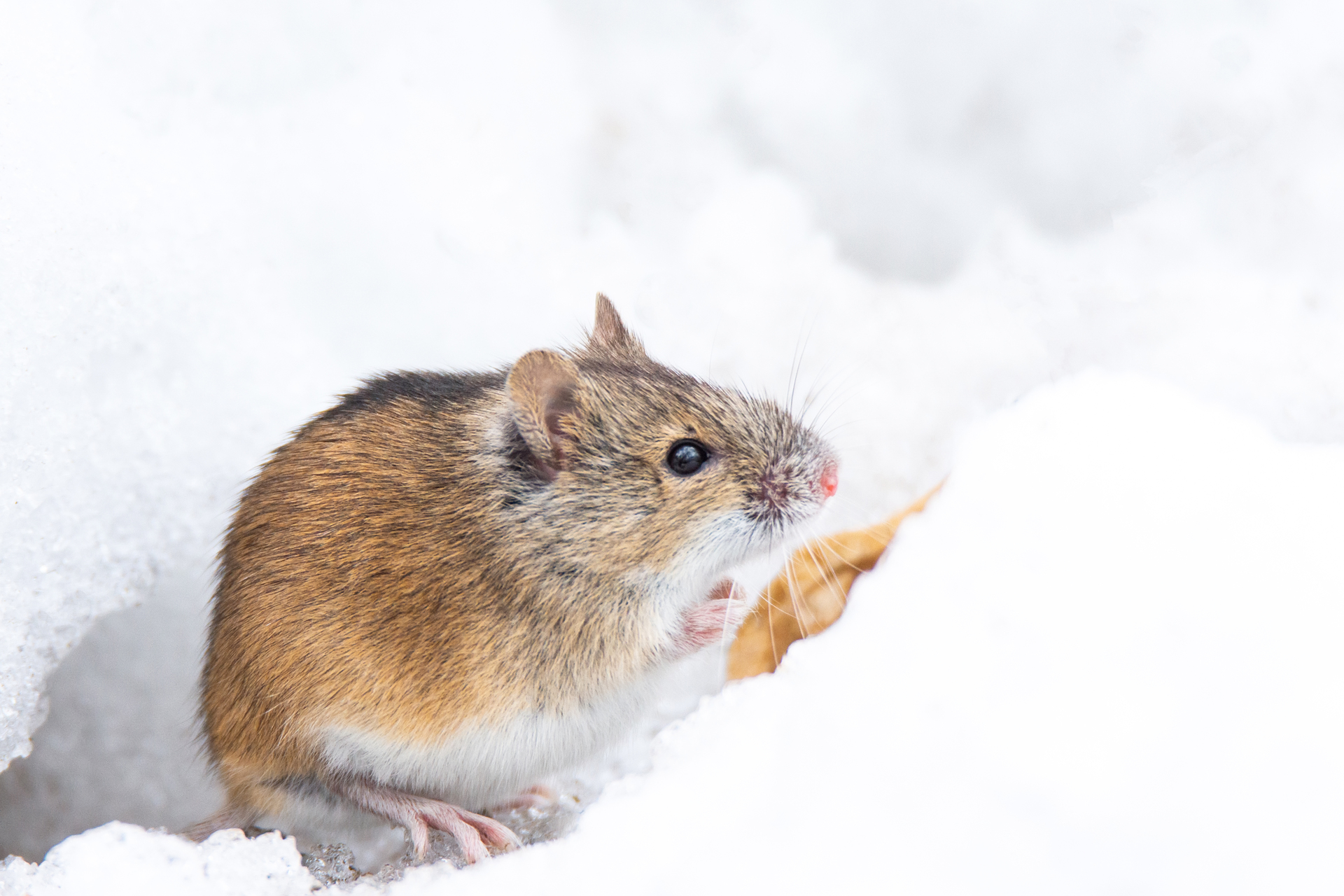
When temperatures plummet in Washington DC, homeowners face an unwelcome reality: winter is the absolute worst time of year for rat and mice invasions. Unlike many pests that disappear with the first frost, rodents only get more aggressive in their search for warm, safe havens - and that means your home might become their prime target.
The statistics paint a concerning picture of America's winter rodent problem. According to pest management professionals, rodents target millions of homes across the United States each winter. Why? Because cold weather triggers an instinctive survival response in rats and mice, forcing them to abandon their outdoor territories in favor of human dwellings.
Washington DC residents face particularly challenging circumstances during these colder months. The nation's capital consistently ranks among the "rattiest cities" in America, with a combination of factors including mild winters, dense urbanization, and abundant food waste creating perfect conditions for year-round rodent populations. When winter arrives, these already-established populations become desperate for indoor shelter. Professional rodent control services report their busiest season starts in late fall and extends through early spring, directly correlating with temperature drops.
Many homeowners mistakenly believe that rodents become dormant during winter, similar to bears or groundhogs. That couldn't be farther from the truth - with such misconceptions leading to inadequate preparation and devastating infestations. The rats and mice common in Washington DC homes do not hibernate - instead, they remain fully active throughout winter, often becoming more aggressive in their foraging behavior as natural food sources become scarce.
Winter forces rats and mice into survival mode, making them bolder and more persistent in their search for food. Outdoor food sources like seeds, berries, and insects disappear under snow or become inaccessible due to frozen ground. This scarcity drives rodents to take greater risks, including entering occupied homes during daylight hours.
Rodents compensate for winter's challenges by stockpiling food in caches within walls, attics, and behind furniture. These hidden food stores explain why homeowners often find chewed packaging, scattered crumbs, and gnawed items throughout their homes during winter months. The hoarding behavior intensifies the longer rodents remain in a dwelling, creating larger messes and more extensive damage over time.
Washington DC's urban landscape creates a perfect storm for winter rodent problems. The city's combination of aging infrastructure, abundant restaurants, and closely-packed housing provides endless opportunities for rodents to find shelter and food. Construction projects, road work, and building renovations during fall months often displace outdoor rodent populations, forcing them to seek new territories just as temperatures begin dropping.
The city's extensive subway system and utility tunnels also provide protected pathways that allow rodents to travel between neighborhoods while staying warm. This underground network enables rapid population spread and makes it difficult to control infestations through individual property management alone.
Understanding rodent entry methods is vital during winter when these pests become more determined to find indoor shelter. Most homeowners dramatically underestimate how small an opening rats and mice need to gain access to their homes.
Adult rats possess remarkable flexibility, allowing them to compress their bodies and squeeze through openings as small as a quarter-inch, about the size of a quarter. This ability means that gaps around pipes, vents, utility lines, and foundation cracks that seem insignificant to humans provide easy access for determined rodents. Common entry points include spaces around dryer vents, gaps where utilities enter the home, and deteriorated weather stripping around doors and windows.
Winter weather exacerbates these vulnerabilities as building materials contract, creating new gaps, while existing openings may widen due to settling or freeze-thaw cycles. Regular inspection of potential entry points becomes vital, as a gap that was secure in summer may provide easy access once cold weather arrives.
Mice, too, can squeeze through openings as small as a quarter-inch, about the size of a pencil - making them just as challenging to exclude as rats. Their smaller size allows access through incredibly tiny gaps around window frames, door thresholds, and wall penetrations. Even nail holes or small cracks in foundations can serve as entry points for determined mice seeking winter shelter.
The flexibility of mouse skeletons allows them to flatten their bodies significantly, enabling passage through horizontal gaps that appear impossibly narrow. This adaptability explains why thorough sealing requires attention to seemingly minor imperfections in a home's exterior envelope.
Recognizing early signs of rodent activity during winter can prevent minor intrusions from becoming full-scale infestations. Cold weather often makes rodent evidence more noticeable as these pests spend more time indoors and concentrate their activities in smaller areas.
Fresh rodent droppings represent the most reliable indicator of active infestations. Rat droppings appear dark brown to black, typically ranging from 1/2 to 3/4 inch in length, while mouse droppings are smaller and more pointed. During winter, homeowners typically find concentrations of droppings near food sources, along baseboards, and in storage areas where rodents feel protected.
Gnaw marks on food packaging, wooden structures, and even electrical wires become more prevalent during winter as rodents work to access food sources and create nesting materials. Fresh gnaw marks appear light-colored and rough, while older damage shows darkened, smooth edges. The intensity of gnawing often increases during winter as rodents prepare nesting sites and search for materials to insulate their shelters.
Winter conditions make rodent sounds more noticeable as homes are typically sealed tighter and ambient outdoor noise decreases. Scratching, scurrying, and squeaking sounds in walls, attics, and ceilings often become even more apparent during the quiet evening hours when rodents are most active, particularly due to the quieter winter environment.
Grease trails along baseboards and walls develop as rodents follow the same pathways repeatedly. These dark, smudgy marks result from oils in rodent fur transferring to surfaces during regular travel routes. Winter weather concentrates these trails as rodents stick to established paths between shelter and food sources rather than venturing into unfamiliar territory.
Dogs and cats often detect rodent presence before humans notice obvious signs. Pets may show increased interest in specific areas like baseboards, appliances, or storage rooms where rodents are active. Unusual sniffing, pawing, or alert behavior around fridges, walls, and doors can indicate hidden rodent activity.
Some pets get more restless during nighttime hours when rodent activity peaks, while others may refuse to enter certain areas of the home where rodents have established territories. These behavioral changes often precede visible evidence of infestation by several days or weeks.
Effective winter rodent prevention requires proactive measures implemented before cold weather drives desperate rodents toward human dwellings. Late summer and early fall are the most critical time periods for establishing defenses against winter invasions.
Property sealing has to occur before temperatures drop and rodents begin actively searching for winter shelter. Steel wool, caulk, and hardware cloth provide effective materials for blocking potential entry points, but proper installation timing makes the difference between success and failure.
Focus sealing efforts on areas where utilities enter homes, around foundation vents, and along rooflines where different materials meet. Weather stripping replacement becomes vital as worn seals allow both cold air and rodents to enter simultaneously. Door sweeps should create complete contact with thresholds, eliminating gaps that appear insignificant but provide easy rodent access.
Professional inspections often identify entry points that homeowners overlook, particularly in attics, crawl spaces, and exterior wall penetrations. Investment in thorough sealing before winter typically costs significantly less than dealing with established infestations during cold months.
Eliminating attractions that draw rodents to properties requires attention to both obvious and subtle food sources. Pet food, bird feeders, and compost piles provide easily accessible nutrition that makes properties irresistible to hungry rodents during the winter months.
Storage practices are critical - and that's because rodents can detect food sources through packaging materials. Transfer bulk foods, cereals, and pet supplies into sealed metal or thick plastic containers that resist gnawing. Clean up fallen seeds around bird feeders regularly, and consider suspending feeding during peak rodent season.
Eliminate outdoor shelter opportunities by removing brush piles, stacked wood near buildings, and cluttered storage areas where rodents can establish outdoor territories before moving indoors. Trim vegetation away from building exteriors to reduce hiding places and travel corridors that lead directly to structures.
Professional-grade tamper-resistant bait stations positioned around property perimeters provide the most effective long-term rodent population control. These systems target rodents before they attempt entry while protecting children, pets, and non-target wildlife from accidental exposure to control materials.
Quarterly preventative pest control programs maintain consistent rodent pressure reduction throughout the winter months when DIY methods often fail. Professional technicians monitor stations regularly, adjust bait types based on seasonal rodent behavior, and identify emerging infestation patterns before they become established.
The strategic placement of exterior stations creates defensive perimeters that intercept rodents traveling between outdoor territories and potential indoor shelter sites. This proactive approach prevents winter emergencies that require expensive emergency treatments during the busiest service periods.
When winter rodent problems emerge despite preventive efforts, rapid professional intervention is vital if you want to prevent minor issues from developing into major infestations. Same-day and next-day service availability can make the difference between manageable rodent problems and extensive property damage.
Professional rodent control companies understand that winter infestations require immediate attention - and that's because breeding continues throughout cold months. Delayed treatment allows populations to establish breeding territories, create extensive tunnel systems, and cause cumulative damage that becomes exponentially more expensive to address.
Customized treatment plans account for winter-specific challenges like frozen ground preventing exterior treatments, heating system complications, and limited access to certain areas of properties. Professional technicians bring specialized equipment and materials designed for cold-weather applications that remain effective despite temperature extremes.
The combination of thorough inspections, targeted treatments, and follow-up monitoring ensures winter rodent problems receive complete resolution rather than temporary suppression. Professional exterminators also provide valuable guidance on preventing future winter infestations through property modifications and maintenance practices.


