Picking the right generator size can feel overwhelming, but understanding your home’s power needs makes the decision straightforward. Learn how to calculate your requirements accurately.
You've probably seen those online generator ads promising to power your entire home, only to wonder if they'll actually do the job. Getting the size right isn't just about avoiding disappointment when the power goes out. An undersized generator won't run your essentials, while an oversized unit wastes money on capacity you'll never use.
Most homeowners find that generator installation starts with a simple question: what do you absolutely need during an outage? Your refrigerator and a few lights require far less power than running your entire home like nothing happened. This decision shapes everything else.
Generator capacity is measured in kilowatts, and typical homes need anywhere from 10 to 22 kilowatts depending on size and requirements. A 1,500 square foot home usually runs well on 10 to 15 kilowatts if you're covering basics. Larger homes around 2,500 square feet typically need 16 to 22 kilowatts for comfortable operation.
According to the U.S. Energy Information Administration, American electricity customers experienced an average of 11 hours of power outages in 2024. That's nearly double the annual average from the previous decade, making backup power increasingly relevant for families across the country.
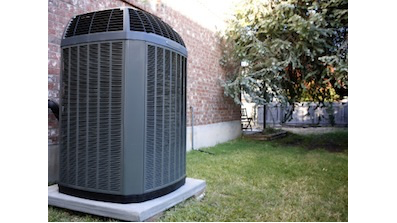
Your air conditioning system is probably the biggest power draw in your home. Central AC units can need anywhere from 3,000 to 5,000 watts just to run. When they first start up, that number jumps even higher. Your refrigerator might only use 800 watts while running, but needs around 2,400 watts to start.
This starting surge is where a lot of people get tripped up when sizing generators. Motors need extra power to overcome inertia and get spinning. You'll want to add up all your running watts, then make sure your generator can handle the highest starting wattage of any single appliance. Most experts recommend adding 20 to 25 percent extra capacity as a buffer.
Grab a notepad and walk through your home. Write down everything you'd want running during an outage. Don't forget less obvious items like garage door openers, sump pumps, or medical equipment. Check the wattage labels on each appliance or look up typical values online.
While online calculators give you a ballpark estimate, having a licensed electrician assess your specific setup removes the guesswork. They can account for your home's unique electrical panel configuration and recommend the right generator sizing based on actual measurements rather than estimates. You'll end up with a system that fits your needs without overspending on unnecessary capacity.


