For McLaren Vale businesses, the best time to install solar is now, as federal STCs, upcoming battery rebates, and state incentives are making the decision easier on the pocket. In this article, find out what these incentives are and how to take advantage of them.
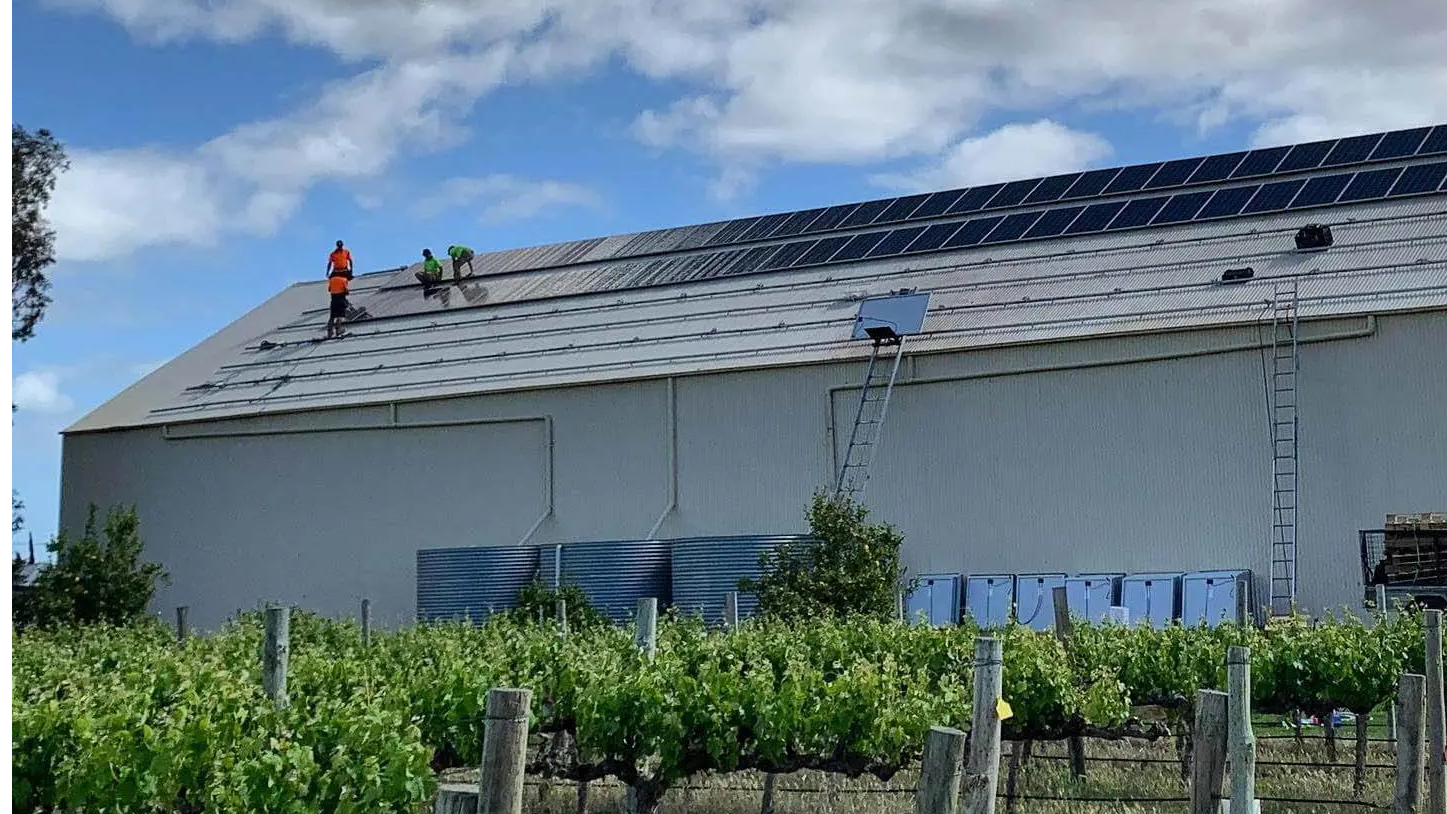
Commercial solar installation has become an attractive investment for McLaren Vale businesses aiming to reduce operational costs and improve sustainability credentials. With rising electricity prices and generous government incentives, the financial case for business solar is strong.
"The upfront cost of commercial solar systems used to be a seemingly insurmountable barrier for many businesses," says P4B Solar, a South Australian solar installer known for its work in the winery and agri industries. "It's a different time now because government incentive programs have significantly reduced this initial investment, making solar more accessible and financially viable for businesses of all sizes."
The SRES is a federal government initiative that creates immediate discounts on solar installations through Small-scale Technology Certificates (STCs). These certificates function as a point-of-sale rebate, reducing the upfront cost of your solar system. When a business installs solar, they receive a specific number of STCs based on the system's size and projected energy generation until 2030.
Most solar providers handle the STC application process and pass the savings directly to businesses as an upfront discount. This means the discount is typically applied when you purchase your system, appearing as a reduction in the quoted price rather than a separate rebate you need to claim.
The number of STCs your business receives directly correlates with your system size and your location's climate zone. Larger systems generate more certificates and therefore greater discounts. The SRES program specifies that only systems up to 100kW capacity qualify for STCs.
The value of these certificates fluctuates based on market conditions, but they represent a significant reduction in the overall system cost.
To qualify for STCs under the SRES, McLaren Vale businesses must meet specific eligibility criteria. First, your solar system must be installed by a Solar Accreditation Australia accredited installer. This ensures your installation meets Australian safety standards and quality requirements. Additionally, both the solar panels and inverter must be on the Clean Energy Council's lists of approved modules and inverters.
Beyond the immediate financial benefits from government incentives, commercial solar installations provide significant advantages in reducing your business's carbon footprint. This matters as businesses aim to demonstrate environmental responsibility.
By installing solar, businesses can directly impact their Scope 1 and Scope 2 emissions:
For businesses focusing on sustainability targets or working toward carbon neutrality, solar installation represents a concrete step toward reducing operational emissions. This can be particularly valuable when reporting environmental performance to stakeholders, investors, or regulatory bodies.
Beyond the federal SRES program, South Australian businesses may access additional incentives specific to the state. These state and territory programs operate alongside the federal incentives, allowing businesses to potentially benefit from multiple support schemes simultaneously.
Eligibility criteria for state rebates may relate to system size, business type, turnover, property type, or installation timing. These programs can change over time, so it's worth investigating current offerings when planning your solar installation.
Financing options specifically designed for commercial solar installations can further reduce the barrier to entry. Interest-free or low-interest loans allow businesses to borrow part or all of the cost of a solar system, reducing or removing the upfront expense.
The Australian Government's Cheaper Home Batteries Program, starting in July 2025, will provide approximately a 30% discount on battery installations. For McLaren Vale businesses considering energy storage solutions, this program will be delivered through the existing SRES framework, with discounts generally provided via solar and battery retailers and installers.
Battery storage systems allow businesses to store excess solar energy generated during daylight hours for use when needed. This can improve self-consumption of solar energy and provide greater energy independence.
One effective strategy for maximizing the return on your solar investment is to combine or "stack" multiple available incentives. This approach is completely legitimate and can significantly reduce total system costs.
For example, a McLaren Vale business can benefit from:
Working with an accredited installer is not just a requirement for accessing government incentives; it’s essential for ensuring your system performs correctly and meets all safety standards. When selecting an installer for your business, verify their Solar Accreditation Australia accreditation and ask about their experience with commercial installations.
Commercial solar installations have different requirements from residential systems, including potential structural assessments, more complex electrical work, and often larger system designs. A qualified installer should be able to clearly explain how the STC discount will be applied to your installation and provide transparent documentation.
To be eligible for STCs, your system must use solar panels and inverters that appear on the Clean Energy Council's lists of approved modules and inverters. These products have undergone testing to ensure they meet Australian standards for safety and performance.
Using non-approved components will disqualify your business from receiving STCs and potentially other incentives. When evaluating system proposals, always ask for documentation confirming that all components are on the approved lists.
Sizing your system appropriately is critical for maximising both financial returns and energy self-sufficiency. While the SRES incentives cap at 100kW, the optimal size depends on several factors specific to your business:
An energy assessment can help determine the ideal system size for your specific needs. Remember that the value of STCs you receive is based on the estimated amount of electricity your solar system will generate until 2030, which depends on both the size of your solar system and the climate zone where it's installed.
Properly documenting your solar installation is essential for claiming all available incentives. Key documentation includes:
While your installer will typically handle the STC application process, you should maintain copies of all relevant documentation for warranty claims, insurance purposes, and any additional rebate applications.
The SRES program is designed to run until 2030, with the value of STCs based on the estimated electricity generation until that end date. This means that as we get closer to 2030, the financial benefit available through this program will naturally reduce. Additionally, other incentive programs may change or expire over time.
By evaluating your options now, your business can make an informed decision about solar installation while current incentive rates are still available. Commercial solar represents both an environmental and financial opportunity for businesses looking to reduce operational costs and carbon emissions.
If you're planning to install solar for your McLaren Vale business, P4B Solar can help you navigate the local solar market and ensure you maximise all available incentives for your business.


