Traditional username-password authentication is failing against today’s sophisticated threats, but there’s a smarter approach emerging. Risk-Based Authentication uses AI to analyze user behavior patterns in real-time to help massive data breaches.
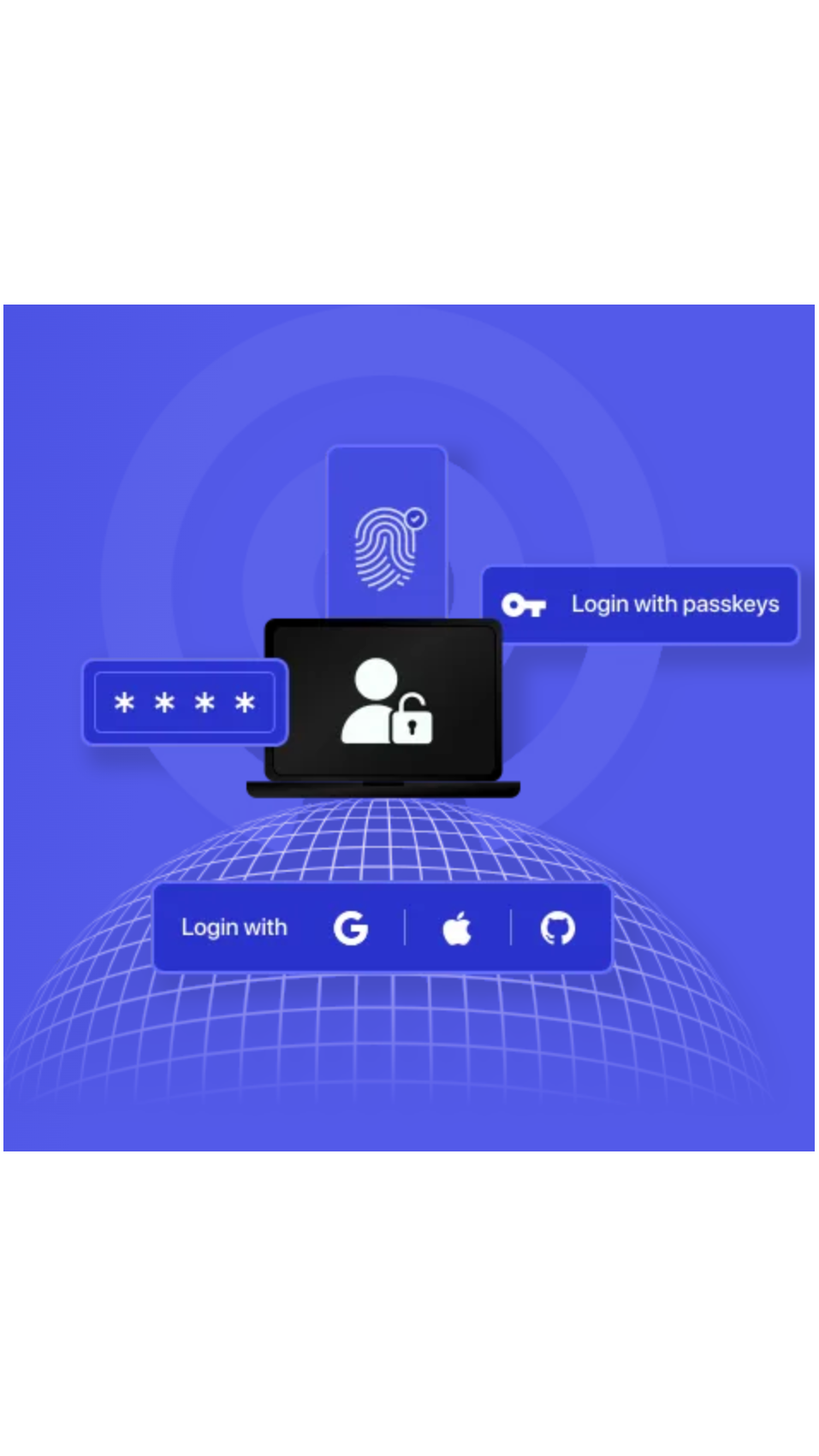
Authentication security has evolved far beyond simple username-password combinations. Today's sophisticated threat landscape demands intelligent systems that can assess risk in real-time and respond accordingly. Risk-Based Authentication represents this evolution—an adaptive approach that evaluates multiple contextual factors before granting access to sensitive systems and data.
Risk-Based Authentication (RBA) transforms traditional authentication from a binary pass-fail system into an intelligent security framework. Instead of applying the same authentication requirements to every login attempt, RBA evaluates the risk level of each access request and adjusts security measures accordingly.
The system considers multiple variables simultaneously: the user's typical login patterns, device fingerprints, geographic location, time of access, and network characteristics. When a login attempt matches established patterns, users experience seamless access. However, when unusual elements emerge—such as access from a new device or unexpected location—the system automatically triggers additional verification steps.
This adaptive approach provides stronger security without compromising user experience for legitimate users. Customer Identity and Access Management (CIAM) platforms increasingly incorporate RBA as a core feature, recognizing that modern enterprises need flexible security that scales with their digital transformation initiatives.
The RBA process unfolds through three critical stages that work together to create a thorough security assessment. Each stage contributes essential data points that inform the system's risk calculation and response.
When a user initiates a login session, RBA systems immediately begin collecting contextual information. This includes the user's IP address, device identification markers, geolocation data, browser characteristics, and timestamp details. The system also examines network-level information such as VPN usage, proxy detection, and connection quality metrics.
Device fingerprinting plays a crucial role during this phase, creating unique identifiers based on hardware specifications, operating system details, installed plugins, and screen resolution patterns. This fingerprint helps distinguish between trusted devices and potentially compromised or unfamiliar systems attempting access.
Collected data feeds into sophisticated machine learning algorithms that compare current login attempts against historical user behavior patterns. The system analyzes factors like typical login times, preferred devices, common geographic locations, and standard application usage patterns to establish a baseline risk score.
Advanced RBA implementations incorporate behavioral biometrics during this assessment phase, examining keystroke patterns, mouse movements, and typing cadence. These subtle behavioral markers create additional layers of identity verification that are difficult for attackers to replicate, even with stolen credentials.
Based on the calculated risk score, the system determines appropriate authentication requirements. Low-risk scenarios might allow immediate access, while moderate-risk situations could trigger email verification or SMS codes. High-risk attempts might require multiple verification factors, administrative approval, or complete access denial.
The response mechanism operates transparently for users, with security measures scaling proportionally to perceived risk levels. This ensures that legitimate users face minimal friction while maintaining strong protection against unauthorized access attempts.
Behavior monitoring works alongside RBA capabilities by continuously analyzing user actions throughout their session, not just at the point of authentication. This ongoing surveillance creates a thorough security envelope that adapts to emerging threats in real-time.
User Behavior Analytics systems create detailed profiles of individual user patterns, documenting everything from application access sequences to data interaction behaviors. These systems learn what constitutes normal activity for each user, establishing baselines that enable rapid detection of anomalous behavior.
UBA platforms monitor metrics such as data download volumes, file access patterns, system navigation routes, and interaction timing. When a user suddenly downloads large amounts of sensitive data outside their typical pattern, or accesses systems they rarely use, the UBA system flags these activities for security review.
Financial institutions particularly benefit from UBA monitoring, as these systems can detect unusual transaction patterns that might indicate account compromise. For example, if a user typically makes small local purchases but suddenly initiates large international transfers, the system immediately escalates the activity for verification.
Behavioral biometrics represent the cutting edge of continuous authentication technology. These systems analyze unique patterns in how users interact with devices—their typing rhythm, mouse movement characteristics, touch screen pressure, and even walking patterns when using mobile devices.
Unlike traditional biometrics that require specific hardware, behavioral biometrics work silently in the background using standard input devices. The technology can detect when someone other than the authenticated user has taken control of a session, triggering re-authentication requirements or session termination.
This continuous monitoring approach proves especially valuable in high-security environments where session hijacking or credential sharing poses significant risks. The system maintains authentication confidence throughout the entire user session, not just at the initial login point.
Enterprise RBA deployments require careful integration with existing security infrastructure while maintaining operational efficiency. Organizations must balance security improvement with user productivity, ensuring that risk-based systems complement rather than complicate existing workflows.
Modern RBA solutions integrate smoothly with Identity and Access Management (IAM) and Customer Identity and Access Management (CIAM) platforms. This integration enables organizations to use existing user directories, policy frameworks, and security protocols while adding intelligent risk assessment capabilities.
The integration process typically involves configuring risk scoring parameters, establishing baseline user behaviors, and defining response protocols for different risk levels. Organizations can customize these parameters based on their specific security requirements, user populations, and compliance obligations.
API-driven architectures facilitate smooth integration, allowing RBA systems to communicate with existing security tools, SIEM platforms, and incident response systems. This connectivity ensures that risk-based authentication decisions contribute to overall security orchestration efforts.
RBA implementations significantly contribute to regulatory compliance postures across multiple frameworks. For PCI-DSS compliance, RBA provides the strong authentication controls required for cardholder data protection, while maintaining audit trails that demonstrate due diligence.
GDPR compliance benefits from RBA's ability to implement data protection by design principles, ensuring that access controls adapt to risk levels automatically. The system's detailed logging capabilities support data processing accountability requirements and breach notification obligations.
HIPAA-regulated organizations use RBA to implement minimum necessary access principles, ensuring that healthcare workers can only access patient data appropriate to their risk profile and role requirements. SOC 2 compliance benefits from RBA's systematic approach to access controls and security monitoring.
RBA systems can help detect zero-day attacks by focusing on behavioral anomalies rather than known attack signatures. When attackers use previously unknown techniques, traditional security tools might fail to identify threats, but RBA systems detect the unusual access patterns and behaviors associated with these attacks.
Machine learning algorithms continuously evolve their understanding of normal versus suspicious behavior, enabling detection of sophisticated attacks that adapt their techniques over time. This capability proves valuable against advanced persistent threats (APTs) that might operate undetected for extended periods using conventional security approaches.
The AI-powered detection capabilities integrate with broader security orchestration platforms, automatically triggering incident response workflows when high-risk activities are detected. This integration ensures that RBA insights contribute to thorough threat hunting and response efforts.
Different industries implement RBA systems to address their unique security challenges and regulatory requirements. These implementations demonstrate the versatility and practical value of risk-based approaches across diverse operational environments.
Banks and financial institutions use RBA to monitor both authentication attempts and ongoing transaction behaviors. When customers log in from new devices or unusual locations, the system might require additional verification steps such as SMS codes or security questions.
Transaction monitoring extends beyond simple dollar amount thresholds, analyzing patterns such as merchant categories, transaction timing, and geographic consistency. A customer who typically makes small local purchases but suddenly initiates large international transfers would trigger additional verification requirements.
One major financial institution reported that their RBA implementation flagged a spike in access requests from a user account during non-business hours, leading to the discovery of a compromised employee account being used by external attackers. The behavioral anomaly detection prevented potential data theft and regulatory violations.
Enterprise organizations implement RBA to control access to sensitive documents and systems based on contextual risk factors. Employees accessing highly confidential materials from personal devices or public networks might face additional authentication requirements, while the same access from corporate networks proceeds seamlessly.
Role-based considerations factor into risk calculations, with executive-level accounts subject to increased monitoring due to their elevated access privileges. The system might require biometric verification when C-suite executives access strategic planning documents, regardless of other contextual factors.
Document classification systems work in conjunction with RBA to ensure that security measures scale appropriately with information sensitivity levels. Public documents might require minimal authentication, while trade secrets demand multi-factor verification even for authorized users.
The evolution from static to intelligent authentication represents a fundamental shift in how organizations approach security. Traditional authentication treated every access attempt identically, creating both security gaps and user friction. RBA eliminates these problems by making security decisions based on thorough contextual analysis.
This transformation enables organizations to achieve both stronger security and improved user experience simultaneously. Legitimate users benefit from reduced authentication friction during normal activities, while potential attackers face escalating security challenges that adapt to their threat level.
The continuous learning capabilities of RBA systems mean that security postures improve over time, automatically adapting to evolving user behaviors and emerging threat patterns. This adaptive approach provides sustainable security that grows with organizational needs and technological changes.
Some RBA implementations incorporate predictive analytics that can identify potential security incidents before they occur, shifting from reactive to proactive security postures. This capability enables organizations to prevent breaches rather than simply detecting them after damage occurs.
When developing any proprietary security environment, the deployment of RBA as part of a larger CIAM ecosystem should be the top priority in the modern customer access marketplace.


