Most Pasadena homeowners have no idea that rodent-contaminated attic insulation is silently circulating dangerous pathogens through their HVAC systems—and the health risks go far beyond what you’d expect from a simple pest problem.
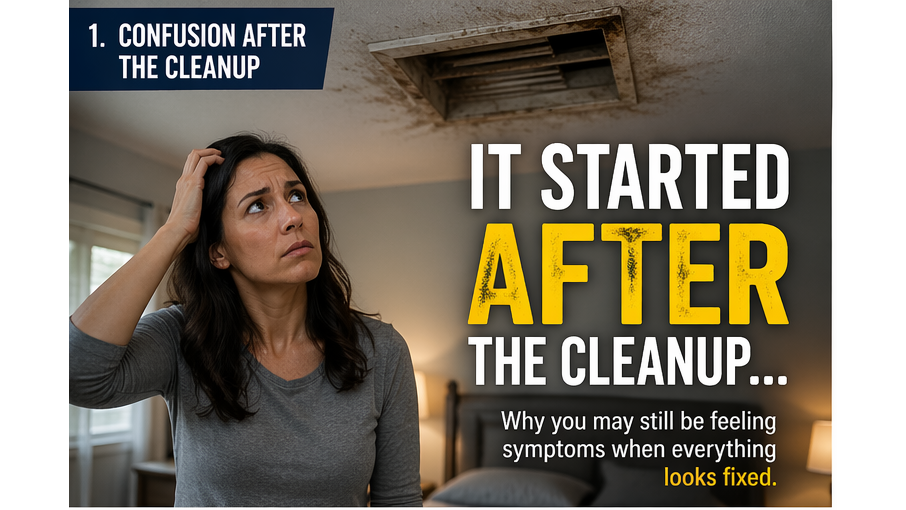
Most Pasadena homeowners never realize their attic insulation has become a breeding ground for dangerous pathogens until persistent odors or unexplained health issues force them to investigate. What lurks above the ceiling often poses far greater risks than the initial rodent problem that created it.
Hidden Biology Remediation Pasadena is a specialized service designed to address contamination left behind after rodent infestations.
Contaminated attic insulation represents one of the most overlooked health hazards in residential properties. When rodents infiltrate attic spaces, they don't simply pass through—they establish territories, create nesting sites, and leave behind biological debris that transforms clean insulation into a contaminated material posing serious health risks.
The contamination process begins immediately when rodents enter attic spaces. Droppings accumulate along travel routes, urine soaks into insulation fibers, and nesting materials get mixed with existing insulation. Over time, this biological debris breaks down into fine particulate matter that can become airborne, especially when disturbed by HVAC system operation or temperature fluctuations.
All Track Exterminators now offers specialized Hidden Biology Remediation services in Pasadena to address these complex contamination issues that go far beyond simple pest removal. This specialized approach recognizes that eliminating rodents is only the first step in protecting homeowner health and restoring indoor air quality.
Rodent contamination in attic insulation creates a cascade of health risks that compound over time. Understanding these interconnected hazards helps homeowners recognize why professional remediation becomes necessary rather than optional.
When HVAC systems operate, they create air movement patterns that can draw contaminated particles from attic spaces into living areas. Rodent droppings, dried urine, and decomposed organic matter break down into microscopic particles that become suspended in indoor air. These particles can trigger respiratory irritation, worsen existing allergies, and create persistent indoor air quality issues that affect the entire household.
The problem intensifies in homes with ductwork located in attic spaces, where contaminated insulation may come into direct contact with air distribution systems. Even small gaps around ductwork or penetrations can allow contaminated particles to enter the home's air supply.
Rodent waste carries potentially serious pathogens including hantavirus, leptospirosis, and salmonella. Fresh droppings pose immediate risks, but dried waste materials can remain infectious for extended periods. When these materials break down in attic insulation, they create reservoirs of contamination that can affect indoor environments for months or years after the initial infestation.
The risk becomes particularly acute when contaminated insulation gets disturbed during maintenance work, storage activities, or seasonal temperature changes that cause materials to shift and release particles into the air.
Rodent urine introduces moisture into insulation materials, creating ideal conditions for mold and mildew development. Combined with organic nesting materials and food debris that rodents bring into attic spaces, this moisture creates secondary contamination problems that can persist long after rodent activity ends.
Mold growth in contaminated insulation adds another layer of health risks, particularly for individuals with respiratory sensitivities or compromised immune systems. The combination of rodent pathogens and mold spores creates a particularly problematic indoor air quality situation.
Recognizing contaminated attic insulation early allows homeowners to address problems before they escalate into serious health or comfort issues. Several key indicators signal when professional inspection becomes necessary.
Strong ammonia smells typically indicate significant urine contamination in insulation materials. These odors often intensify during hot weather or when HVAC systems operate, as heat and air movement release trapped odor molecules. Musty smells suggest mold development in moisture-damaged insulation areas.
Odors that return repeatedly despite cleaning living spaces usually originate from contaminated attic insulation rather than accessible areas of the home.
Dark rub marks along rafters and beams indicate established rodent travel routes where oils from fur create permanent staining. Flattened insulation areas show where rodents have created pathways or nesting zones. Scattered droppings, particularly concentrated in corners or near stored items, signal active or recent contamination.
Insulation that appears disturbed, pulled apart, or mixed with foreign materials like paper or fabric indicates nesting activity that has compromised the insulation's integrity and cleanliness.
Contaminated insulation often loses thermal performance due to compression, displacement, and moisture damage. Homeowners may notice increased energy bills, uneven temperatures between rooms, or difficulty maintaining comfortable indoor temperatures.
These comfort issues occur because rodent activity reduces insulation R-value through physical damage, while contamination creates air quality problems that make indoor environments feel less comfortable even when temperatures are properly maintained.
Pasadena's architectural character and established neighborhoods create specific conditions that increase rodent activity and subsequent insulation contamination. Understanding these local factors helps homeowners assess their property's vulnerability.
Pasadena's tree-lined streets and established gardens provide ideal habitat and travel routes for rodents. Mature trees with branches extending over rooflines offer direct access to upper levels of homes. Dense landscaping creates shelter and food sources that support larger rodent populations in residential areas.
The proximity of vegetation to structures means rodents don't need to travel far to find suitable nesting sites, making attic spaces particularly attractive when outdoor conditions become challenging.
Many Pasadena homes feature architectural details that create numerous entry points for rodents. Decorative trim, complex rooflines, and vintage construction methods often include gaps that weren't sealed to modern standards. Older materials may have shifted over time, creating new openings that allow rodent access.
Historic properties often have utility penetrations, vent configurations, and structural details that provide multiple routes into attic spaces, making contamination more likely and more extensive when it occurs.
Pasadena homes face a unique set of conditions that can increase the likelihood of hidden contamination following a rodent infestation. Many neighborhoods throughout Pasadena contain older homes with mature landscaping, attic spaces, crawlspaces, and structural features that provide ideal environments for rodents to nest undetected.
In addition, Pasadena's proximity to foothill communities such as Altadena, Sierra Madre, and areas bordering the San Gabriel Mountains creates natural wildlife corridors where rodents can travel between outdoor habitats and residential properties. Once inside a home, rodents often contaminate insulation, leave behind urine and droppings, and create hidden biological hazards that may remain long after the infestation appears to be gone.
Historic homes and properties with aging attic insulation can be especially vulnerable because contamination may accumulate over time without being visible to homeowners. This is one reason Hidden Biology Remediation Pasadena services are becoming increasingly important for identifying and addressing contamination that traditional rodent removal alone does not solve.
Professional Hidden Biology Remediation addresses contamination at multiple levels, from visible debris removal to microscopic pathogen elimination. The process recognizes that biological contamination can affect air quality, structural materials, and long-term home comfort in ways that simple cleaning cannot address.
This specialized service focuses on eliminating health hazards while restoring insulation performance and preventing future contamination through complete exclusion work.
Effective remediation follows a systematic approach that ensures complete contamination removal and long-term protection. Each step builds upon the previous one to create complete protection against both immediate health risks and future contamination events.
Professional remediation differs from DIY attempts by addressing root causes rather than just visible symptoms, ensuring that homeowners achieve lasting results rather than temporary improvements.
Professional Hidden Biology Remediation follows a carefully sequenced process designed to eliminate contamination thoroughly while preventing future problems. Each phase addresses specific aspects of the contamination problem.
The remediation process begins with detailed inspection to map contamination zones and identify all areas requiring treatment. Professional technicians assess insulation condition, locate nesting sites, and document the extent of biological debris throughout the attic space.
This phase includes identifying entry points, evaluating air movement patterns that might spread contamination, and determining whether insulation can be effectively cleaned or requires complete replacement.
Before contamination cleanup begins, all entry points must be permanently sealed to prevent new rodent activity that would re-contaminate cleaned areas. Professional exclusion involves sealing structural gaps, installing protective barriers, and addressing landscape factors that facilitate rodent access.
This step proves critical because cleaning contaminated insulation without preventing re-entry often results in rapid re-contamination that wastes the remediation investment.
Contaminated materials require careful removal using proper containment procedures to prevent spreading pathogens throughout the home. Professional technicians use industrial-grade sanitizing products to eliminate bacteria, viruses, and odor-causing compounds that remain after debris removal.
The sanitation process includes treating all affected surfaces, not just obviously contaminated areas, because microscopic contamination can spread far beyond visible damage zones.
New insulation installation restores thermal performance while eliminating any remaining contamination risks. Professional installation ensures proper R-values and air sealing that improve home comfort while making attic spaces less attractive to future rodent activity.
Quality insulation restoration also includes addressing ventilation and moisture control factors that can contribute to future pest attraction or insulation degradation.
Many homeowners attempt to address contaminated insulation themselves, often creating more serious problems than they solve. Understanding these risks helps explain why professional remediation provides better long-term value.
Vacuuming or handling contaminated insulation without appropriate protective equipment can disperse pathogens throughout the home. Standard household equipment lacks the filtration necessary to contain microscopic particles, potentially exposing family members to health risks during cleanup attempts.
Improper handling can also spread contamination to previously clean areas of the attic, expanding the scope of the problem rather than resolving it.
DIY cleanup typically focuses on visible contamination while ignoring the entry points that allowed rodent access in the first place. Without complete exclusion work, rodents return quickly and re-contaminate cleaned areas.
Professional remediation addresses both contamination removal and prevention simultaneously, ensuring that cleanup efforts produce lasting results rather than temporary improvements.
Pasadena homeowners now have access to specialized Hidden Biology Remediation services that address contaminated attic insulation through scientifically-based approaches. This specialized service recognizes that effective remediation requires expertise in pest biology, contamination science, and building performance.
Professional remediation provides peace of mind by ensuring complete contamination removal while restoring optimal insulation performance. The specialized approach addresses immediate health concerns while implementing long-term protection against future contamination events.
For homeowners dealing with persistent odors, reduced comfort, or known rodent activity, Hidden Biology Remediation offers a complete solution that goes far beyond surface-level cleaning to restore healthy indoor environments.
All Track Exterminators provides specialized Hidden Biology Remediation, rodent control, and insulation remediation services throughout Pasadena, Altadena, Sierra Madre, Arcadia, Monrovia, and surrounding San Gabriel Valley foothill communities. The company's remediation process is designed to help homeowners identify, remove, and prevent hidden biological contamination left behind after rodent infestations, restoring both the health and performance of the home's insulation system.


