Shortness of breath during everyday activities or a bluish tint to your skin could be signs of low oxygen levels—but how do you know if a portable concentrator is the right solution for your condition?
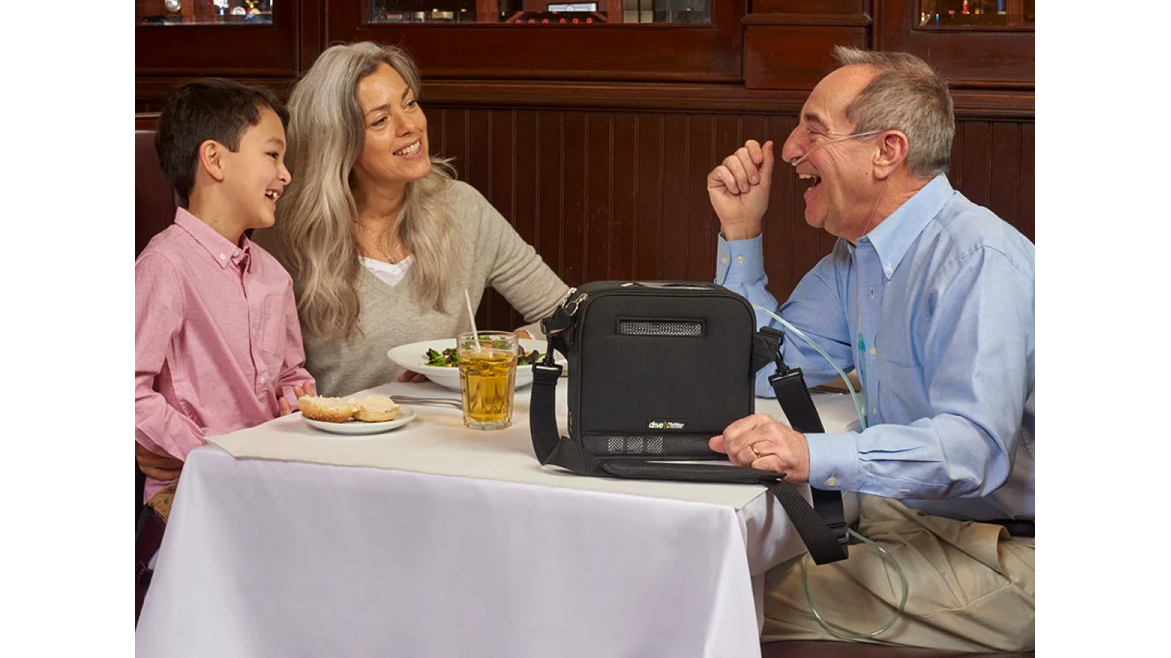
Portable oxygen concentrators (POCs) are lightweight medical devices that extract concentrated oxygen from ambient air using a method called Pressure Swing Adsorption (PSA). Unlike traditional tanks that store compressed gas, POCs pull in surrounding air (roughly 21% oxygen and 78% nitrogen) and separate the oxygen using internal compressors and molecular sieve beds filled with zeolite granules.
These filters trap nitrogen, allowing purified oxygen of up to 95% concentration to flow directly to the user via a nasal cannula or mask. Experts at Main Clinic Supply note that understanding how POCs work helps patients make informed choices about their therapy.
Modern POCs are built for on-the-go use, typically weighing between 3 to 20 pounds. Compact models can weigh as little as 2.8 pounds and stand just over 7 inches tall, making them easy to carry in cases, over the shoulder, or on wheeled carts.
Despite their size, these devices include rechargeable lithium-ion batteries and come with both AC and DC charging options, allowing use at home, in cars, or while traveling. Unlike oxygen tanks that need regular refills, POCs offer freedom and peace of mind, supporting users through daily routines, exercise, and social outings.
Battery duration depends on oxygen settings and delivery mode. Pulse dose systems typically last longer than continuous flow, with most units offering 1-8 hours per full charge. Some models feature swappable batteries that can be changed mid-use, ensuring continuous therapy without interruption.
Many POCs are approved by the Federal Aviation Administration (FAA) for in-flight use, including brands like Inogen, AirSep, and Respironics. Most airlines require passengers to submit specific forms and carry enough charged batteries to cover 1.5 times the flight duration, making air travel more accessible for oxygen-dependent individuals.
Pulse dose delivery is the most energy-efficient method used in portable oxygen concentrators. These systems use built-in sensors to detect inhalation and release a targeted burst of oxygen at the optimal point in the breathing cycle. Oxygen flow pauses during exhalation, helping conserve battery life without sacrificing effectiveness.
Unlike traditional systems that measure liters per minute (LPM), pulse dose models use numerical settings, typically ranging from 1-6 or 1-9, each representing a specific volume of oxygen per breath. The exact output varies by manufacturer. Pulse dose technology can be as effective as continuous flow for maintaining blood oxygen levels during activity in many COPD patients, making it a strong fit for daytime use, frequent travel, and users with stable breathing patterns.
Continuous flow delivery provides a steady oxygen stream at a fixed rate, measured in liters per minute—similar to traditional home concentrators. This mode ensures uninterrupted oxygen supply, making it essential for patients with severe respiratory conditions or those who experience irregular breathing during sleep.
Because it delivers oxygen continuously regardless of inhalation, this method consumes battery power more quickly and requires larger components, often resulting in heavier, less portable units. However, continuous flow remains vital for nighttime use and is often compatible with CPAP or BiPAP machines.
Some hybrid models now offer both pulse and continuous modes, allowing users to switch based on activity level or time of day.
Symptoms of hypoxemia (low blood oxygen) can creep in gradually, often mistaken for aging or general fatigue. Key warning signs include shortness of breath during everyday activities like walking or climbing stairs, persistent exhaustion, and bluish discoloration of the lips, skin, or fingernails (a condition known as cyanosis).
Other red flags include confusion, disorientation, morning headaches, a racing heartbeat, chest pain, or waking up gasping for air. Monitor changes in breathing patterns over time, especially if symptoms begin to interfere with daily life or sleep quality.
Several medical conditions can impair the lungs' ability to absorb oxygen, making supplemental therapy necessary. Chronic Obstructive Pulmonary Disease (COPD) is the most common reason, followed by severe asthma that doesn't respond well to standard medications, and interstitial lung diseases like pulmonary fibrosis that scar lung tissue over time.
Other potential triggers include heart failure with low oxygen saturation, pneumonia, complications from viral infections such as COVID-19, and sleep disorders like severe sleep apnea accompanied by nocturnal hypoxemia. Since each condition affects oxygen levels differently, proper diagnosis and oxygen delivery plans should always be made in consultation with a licensed healthcare provider.
Pulse oximetry is a fast, non-invasive method of measuring blood oxygen saturation (SpO2) using a small clip placed on the finger, earlobe, or toe. Healthy individuals typically show readings of 95% or higher.
Consistent readings below 92% may signal the need for supplemental oxygen evaluation, though exact thresholds depend on individual health conditions. At-home pulse oximeters can offer useful data to share with providers, but don't replace clinical assessment.
For more precise results, physicians use Arterial Blood Gas (ABG) testing, which involves drawing blood directly from an artery, usually in the wrist. This test measures the partial pressure of oxygen (PaO₂), carbon dioxide levels, and blood pH to assess how well the lungs are oxygenating the body.
ABG results help determine the need for supplemental oxygen, the right flow rate, and how the therapy should be delivered. It's also a valuable tool for setting baselines and tracking progress over time, ensuring oxygen treatment stays aligned with the patient's needs.
POCs are classified as prescription medical devices. A formal diagnosis and physician authorization are required before purchase or insurance coverage approval. To justify medical necessity, providers must document symptoms, diagnostic test results, and treatment response. Insurance, including Medicare and private plans, typically requires proof of hypoxemia, limited response to other treatments, and demonstrated need for oxygen during daily life. Prescriptions also include exact flow rates and usage guidelines to ensure patients receive appropriate and compliant care.
Before considering a portable oxygen concentrator, it's essential to undergo a proper medical evaluation and not rely on self-diagnosis. Even if symptoms suggest low oxygen levels, only a qualified provider can determine whether supplemental oxygen is necessary.
Respiratory conditions are complex, and symptoms like breathlessness can have multiple causes. A healthcare professional can prescribe the correct flow rates, delivery mode, and usage plan suited to your specific condition and lifestyle.
Exploring portable oxygen concentrators or looking for guidance on oxygen therapy equipment? Reach out to experienced providers like Main Clinic Supply for help. Their team offers expert support and a carefully curated range of FDA-cleared devices to make your respiratory care journey a little easier.


