Commercial junk removal services can take office furniture, electronics, and construction debris, but hazardous materials, medical waste, and certain specialty items require licensed specialty disposal facilities. Knowing the difference helps businesses avoid fines and manage waste responsibly.
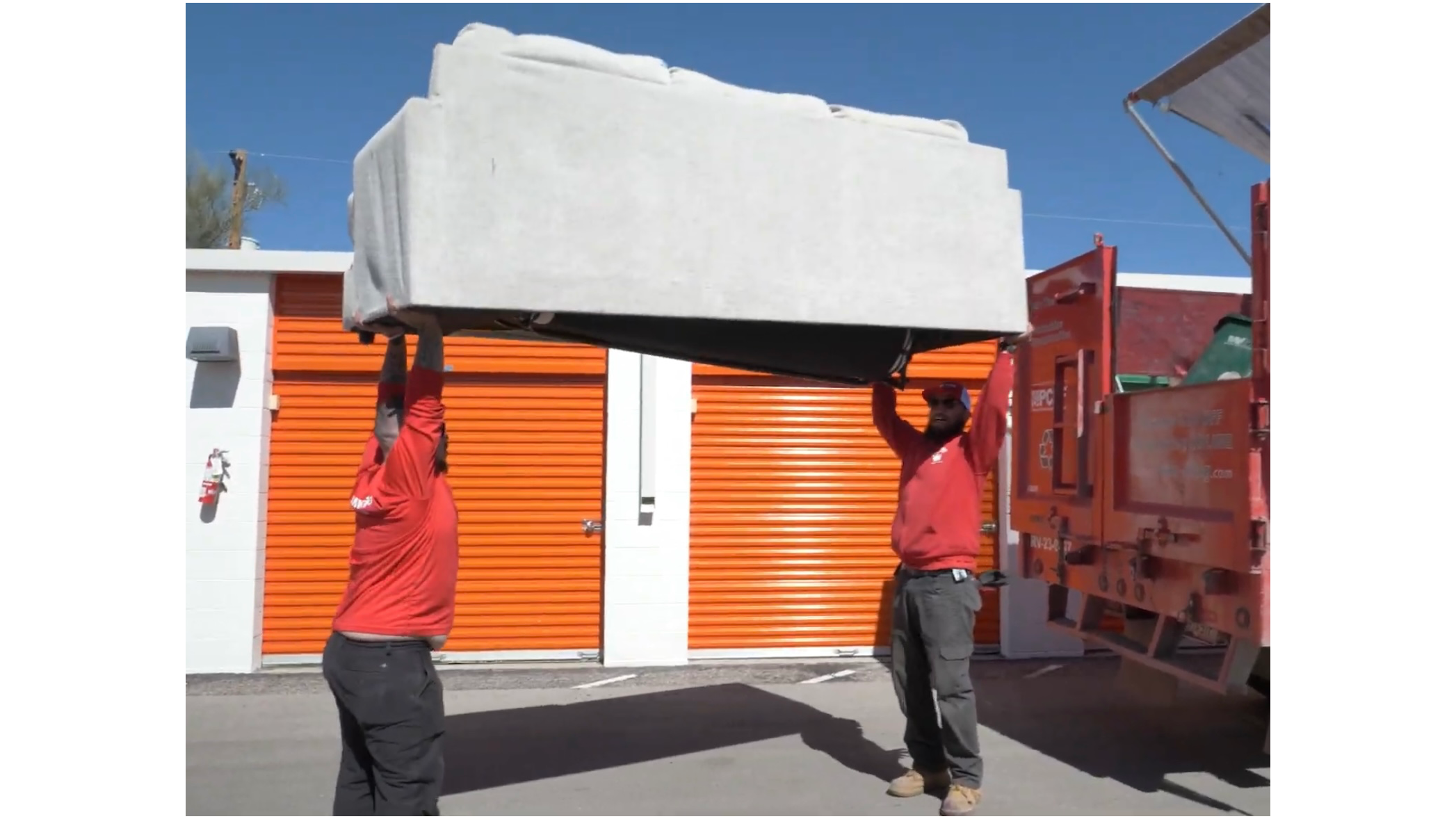
Business waste management involves more complexity than simply calling any removal service. According to the Sahuarita, AZ junk removal experts from Junk King Tucson, knowing what commercial haulers can and cannot accept is one of the most overlooked steps in planning a commercial cleanout — and getting it wrong can cost facility managers far more than the removal itself.
Commercial junk removal companies handle a wide range of non-hazardous business items efficiently. Most services accept standard office furniture and general business debris without special handling requirements, though electronics require specialized processing for data security and environmental compliance. The distinction between accepted and restricted materials isn't always obvious, which is why understanding the categories in advance matters.
Professional removal services prioritize eco-friendly disposal methods, often reusing, repurposing, or recycling items like office furniture and electronics to minimize landfill impact.
Most commercial haulers accept furniture, appliances, yard waste, and construction debris as part of their standard services. However, the specific acceptance criteria can vary between companies, making verification of item eligibility before scheduling pickup necessary.
Office furniture represents one of the most common categories for commercial junk removal. Services readily accept desks, chairs, filing cabinets, conference tables, and modular cubicle systems. These items often find second lives through donation centers or refurbishing programs rather than ending up in landfills.
Cubicle systems require special handling due to their modular nature and potential weight. Professional services have the equipment and expertise to disassemble these systems safely, ensuring efficient removal without damage to surrounding office areas.
Electronic waste disposal requires specialized handling to meet environmental regulations and data security requirements. Computers, printers, monitors, servers, and telecommunications equipment all qualify for e-waste recycling programs.
Responsible e-waste recycling ensures electronic devices are properly dismantled, valuable materials are reclaimed, and hazardous components are managed to minimize environmental risks. This process involves separating materials like precious metals, plastics, and rare earth elements for reuse in new products.
Metal filing cabinets, storage shelving, and document storage systems are easily handled by commercial removal services. These items often have high recycling value due to their metal content, making them particularly attractive for environmentally conscious disposal programs.
Before removal, businesses should ensure all confidential documents are properly shredded or removed from filing systems to protect sensitive information.
Construction and renovation debris includes lumber, drywall, flooring materials, cabinets, windows, and general demolition waste. These materials typically require careful sorting to maximize recycling opportunities and ensure proper disposal methods for each type of material.
Weight considerations play a crucial role in construction debris removal. Dense materials like concrete, brick, and stone may require specialized equipment or weight restrictions that affect pricing and scheduling. Professional services assess load capacity before pickup to ensure safe transport.
Hazardous materials, including wet paint, chemicals, pesticides, and industrial solvents, require specialized disposal facilities due to safety and legal regulations. General junk removal services lack the licensing and equipment necessary to handle these dangerous substances. Accordingly, junk removal companies cannot take hazardous materials.
Businesses face potential civil and criminal penalties for improper hazardous waste disposal. Materials containing chemicals, acids, or corrosives must go through licensed hazardous waste facilities rather than standard removal services.
Medical waste, including items contaminated with bodily fluids, pharmaceuticals, and medical equipment, requires specialized handling and disposal protocols. Standard junk removal companies cannot accept these materials due to health risks and regulatory requirements.
Healthcare facilities and businesses must use licensed medical waste disposal services that follow strict protocols for collection, transport, and destruction of medical materials.
Fluorescent light bulbs containing mercury, ammunition, fireworks, and large quantities of gasoline require specialized disposal through licensed facilities. These items pose environmental or safety risks that exceed the capabilities of general junk removal services.
Some small businesses generating hazardous waste below certain thresholds may use local household hazardous waste programs for disposal, often for a fee, but this varies by location and waste type.
Specialized electronics recycling companies offer IT Asset Disposition (ITAD) services for businesses requiring secure data handling. These services include secure data wiping, environmentally-friendly electronic recycling, and options for reselling surplus technology equipment.
ITAD services provide certified data destruction, ensuring sensitive business information cannot be recovered from disposed devices. This certification protects businesses from data breaches and regulatory compliance issues. While commercial junk removal companies help with e-waste recycling, they do not handle secure data wiping.
Environmental compliance for e-waste disposal involves following EPA guidelines and state regulations for electronic waste handling. Businesses must ensure their disposal methods meet these standards to avoid penalties and environmental damage.
Proper e-waste recycling prevents toxic materials like lead, mercury, and cadmium from contaminating landfills and groundwater. Compliance documentation provides proof of responsible disposal for regulatory audits and corporate sustainability reporting.
Professional commercial junk removal combines efficiency with environmental responsibility, ensuring businesses meet disposal requirements while minimizing operational disruption. Understanding acceptance criteria and disposal restrictions helps facility managers make informed decisions about waste management strategies.
Successful commercial waste management requires partnering with experienced professionals who understand regulatory requirements and prioritize sustainable disposal methods. The right service provider offers transparent pricing, reliable scheduling, and thorough handling of accepted materials.


