Omiana challenges surface-level cruelty-free claims by rejecting animal testing across its supply chain and avoiding certification shortcuts. Embracing full ingredient transparency and its Mission: Omission values, the brand prioritizes ethical, sensitive-skin-safe makeup while urging customers to ask questions and shop more consciously.
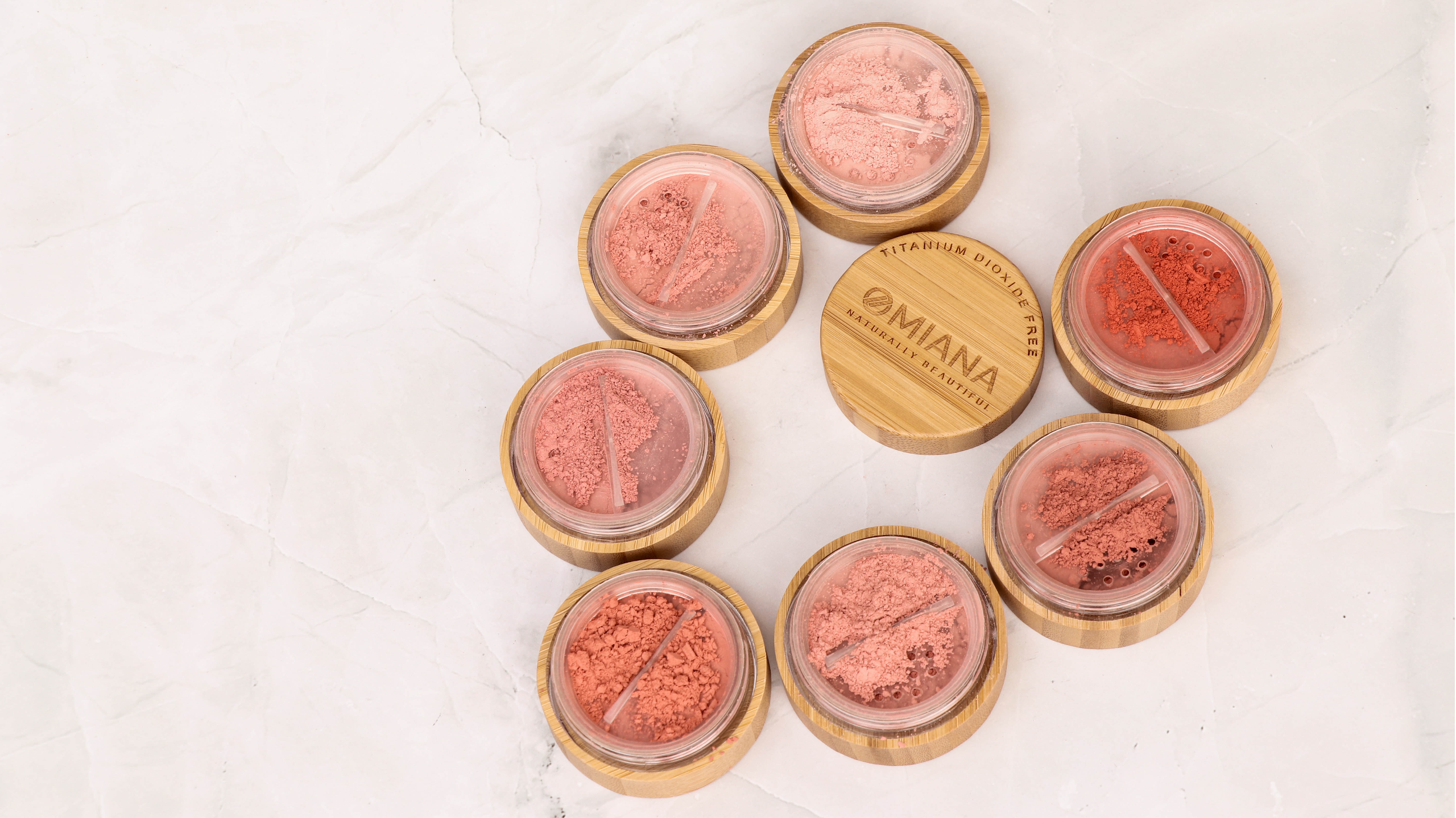
Omiana, a clean beauty brand trusted by people with ingredient sensitivities, is renewing its public stance on what it truly means to be cruelty-free. For us, it’s not just a marketing claim or a pretty bunny logo—it’s a deep commitment to ingredient ethics, supplier transparency, and consumer trust.
“Cruelty-free isn’t a label we slap on for marketing. It’s a value we live by,” says Miche Klammer, Managing Director at Omiana. “Our customers care deeply about ingredient sourcing and formulation ethics. That’s why we refuse animal testing, avoid misleading logos, and hold ourselves to higher standards.”
We know the term “cruelty-free” gets tossed around casually in the beauty industry. That’s why we’re drawing a line: cruelty-free must mean what it says, not just for finished products, but for every input and partner involved. If we wouldn't use it on ourselves or recommend it to a loved one, it doesn’t make it into an Omiana formula—period.
Omiana's cruelty-free approach stems from our broader brand philosophy: Mission: Omission—a guiding principle where we intentionally leave out questionable ingredients and prioritize transparency over trends. This includes:
This also means we stay off third-party lists if their standards don’t align with ours—or if the licensing requirements allow loopholes. Unlike some beauty brands that chase badges, we focus on verifiable ethics over optics.
Many popular cruelty-free logos—whether from PETA, Leaping Bunny, or others—carry value, but not all are created equal. Some allow brands to self-certify. Others don’t require verification of supply chain practices or lab partners.
Worse, some companies use unofficial bunny logos or icons designed to imply compliance. But those symbols aren’t backed by audits, documentation, or ingredient-level screening. That misleads consumers and undermines trust.
At Omiana, we support the spirit behind these certifications, but we believe in going further. Our commitment to cruelty-free extends into areas logos don’t reach—like supplier vetting and continuous audit of lab partnerships.
The term “cruelty-free” needs a rebrand. Too often, it only refers to the finished product—not the formulation process, ingredient sourcing, or manufacturer testing policies.
But when customers choose Omiana, they’re trusting us with their health and values. That trust demands more than surface-level compliance.
“Especially for those with sensitive skin, knowing exactly what’s in your products—and where those ingredients come from—matters,” says Klammer.
Here’s what our cruelty-free promise covers:
Our cruelty-free policy goes hand-in-hand with how we formulate every product. At Omiana, we cater to people with sensitive skin, autoimmune conditions, ingredient allergies, and chemical sensitivities. Many of our customers come to us after frustrating experiences with mass-market or "clean" brands that still trigger reactions.
That's why our formulations avoid:
We also prioritize alternatives to traditional stabilizers, emulsifiers, and fillers that can disrupt the skin barrier or cause irritation over time.
Our community is made up of customers who research ingredients, ask hard questions, and know the difference between marketing claims and real transparency. They’re looking for brands that walk the talk—not ones that rely on vague assurances or half-truths.
So, we build everything for them.
That means:
We hold ourselves accountable not just to regulatory bodies—but to you.
We get it—clean beauty isn't perfect. The industry is evolving. But we believe it's possible to offer high-performing products without compromising on ethics or skin safety. Omiana was born out of that frustration: too many so-called “natural” or “dermatologist-tested” brands were still causing harm.
So we created something better.
Today, our cruelty-free range includes:
We don’t think you should have to choose between ethical beauty and real performance. And with Omiana, you don’t have to.
Curious how you can shop more responsibly?
Here are three tips we share with customers looking to evaluate cruelty-free claims:
We encourage everyone to reach out with questions. Transparency is a two-way street, and we’re always happy to explain how our sourcing and ethics policies work.
Animal testing isn’t just outdated—it’s unnecessary. Thousands of ingredients have already been validated as safe through alternative testing methods. With modern advancements in safety science, non-animal alternatives are widely available and more reliable for human health.
Choosing cruelty-free doesn’t just help animals. It pushes the industry forward—toward smarter, more humane science. And when brands feel the pressure from informed consumers, they respond.
So when you choose a product from Omiana, you're not just protecting your skin. You're helping protect a better future for everyone.
Explore our full line of cruelty-free, ingredient-transparent products at omiana.com. For ingredient questions or product concerns, reach out to our team—we love hearing from customers who care.
Let me know if you’d like this adapted into a blog template or Figma-ready format, or if you want to include a sidebar with “Top 5 Cruelty-Free Best Sellers.”


