From immunization breakthroughs to epidemic readiness, Nigeria is making major health security gains—without relying on global funding. At the heart of its strategy? Cross-sector collaboration that could set the standard for other countries navigating public health challenges.
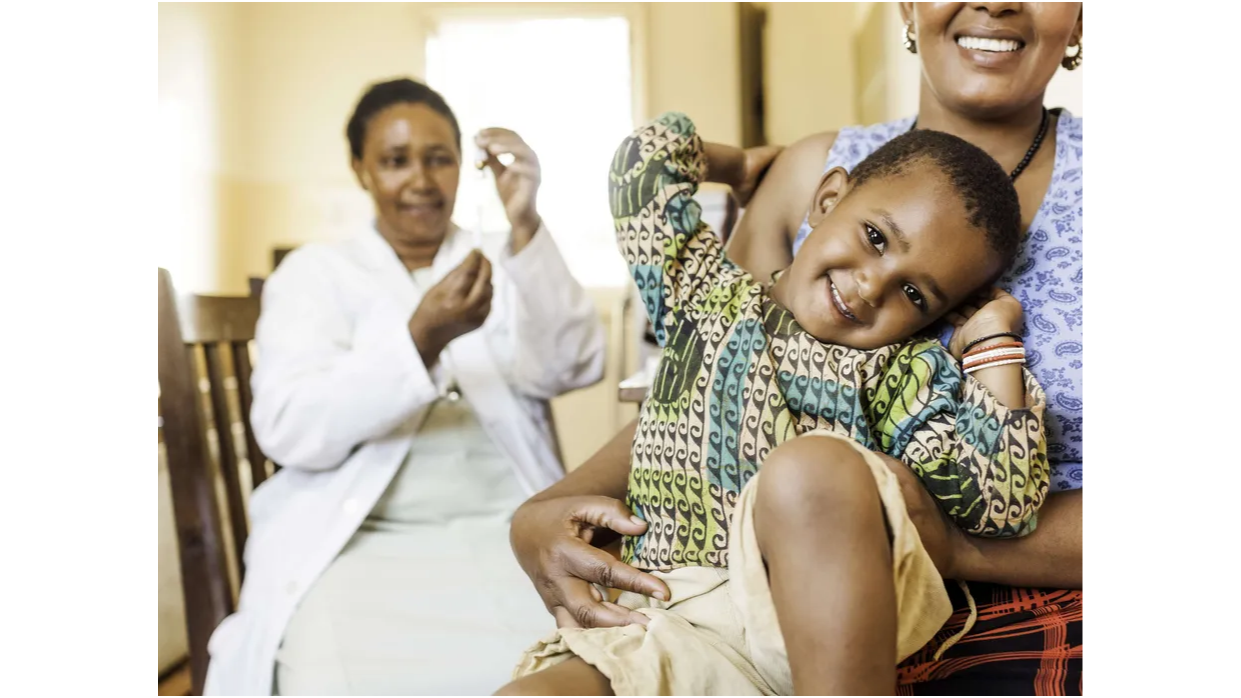
When global health funding starts to shrink, most countries scale back. Nigeria took a different path, and the results are drawing global attention.
By uniting sectors across government, civil society, and international development, Nigeria is making measurable progress on epidemic preparedness, vaccine coverage, and long-term public health resilience.
This shift toward multisectoral collaboration is more than a trend. It’s a working model that shows how countries can protect citizens and strengthen systems—even in the face of declining donor aid.
According to a , Building Health Security in Nigeria: A Partnership for Progress, the country's Joint External Evaluation score for epidemic preparedness jumped from 39% to 54% in recent years.
Investments followed suit:
These figures highlight a shift in strategy—from reactive spending to proactive partnerships that build capacity across the board.
Multisectoral collaboration doesn't just bring more voices to the table—it multiplies impact.
In Nigeria, joint efforts between ministries of health, education, agriculture, water, sanitation, and even security are addressing the root causes of poor health. These collaborations help tackle social determinants of health like clean water, nutrition, and safe housing.
One recent explored how community-level MSC activities—especially in states like Kano, Akwa Ibom, and Anambra—are driving outcomes in both primary care and broader health security. Though many of these efforts began organically, they’ve proven crucial in strengthening frontline services and disease prevention efforts.
Still, experts caution that many MSC initiatives lack clear policy frameworks and consistent funding. The potential is clear, but formalizing this model remains the next big step.
Preventing disease doesn't just save lives—it saves money.
Every dollar invested in vaccines delivers an estimated $21 in direct savings, and up to $54 when factoring in long-term benefits like improved productivity and reduced disability.
Nigeria's renewed commitment to immunization is already paying off—and serving as a reminder that smart health spending isn't a drain, but a multiplier.
Not all areas are equally strong. Primary healthcare—especially non-communicable disease management—remains a key challenge.
Hypertension affects up to 38% of Nigerians, yet just 8% of women and 5% of men receive a proper diagnosis, according to the 2024 State of Health of the Nation Report. This diagnosis gap presents a major opportunity for expanded screening, better treatment access, and deeper collaboration between health and non-health sectors.
As international health financing declines, Nigeria's approach offers something rare: a replicable model. The country's blend of local leadership, strategic funding, and multisectoral alignment shows how progress is possible—even in low-resource environments.
Organizations like the Global Health Advocacy Incubator have played a behind-the-scenes role in supporting these efforts, offering technical assistance and policy expertise without dominating the conversation.
Smart partnerships—formal or grassroots—are changing the future of health in Nigeria. For countries going through similar challenges, that's a story worth watching.
and findings from bodies working at the intersection of policy and public health can offer practical insights into how collaboration can drive long-term impact.


