Triton Thermal has released comprehensive analysis examining how artificial intelligence workloads are driving rapid adoption of liquid cooling technologies in data center infrastructure. The analysis is available at https://tritonthermal.com/why-liquid-cooling/
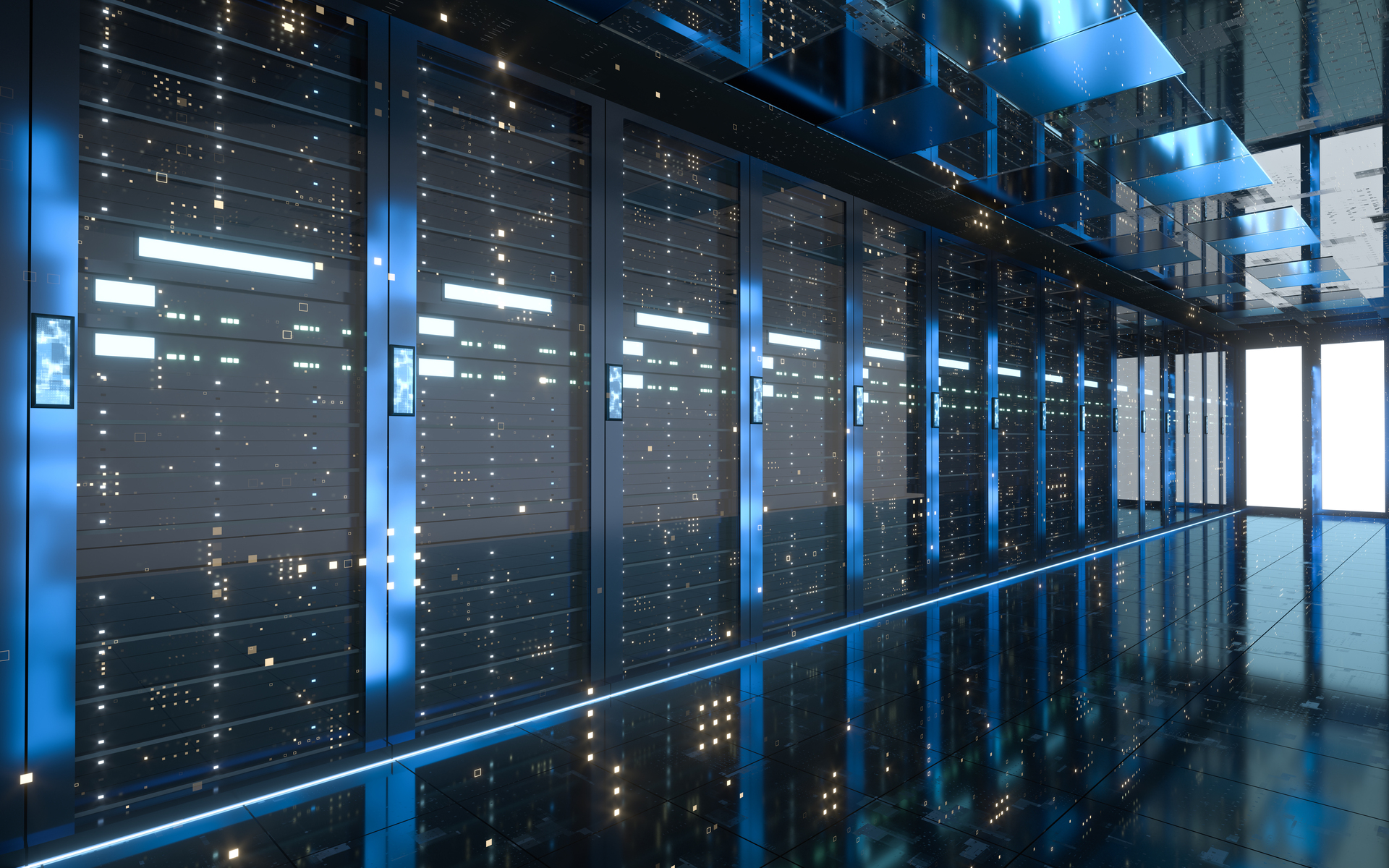
Data center operators face a thermal problem that never existed a decade ago.
Modern AI processors now generate over 1kW of heat per chip. When facilities pack racks with NVIDIA H100s or similar accelerators, thermal loads approach 100kW per rack—densities where conventional air cooling simply surrenders. The computational power is available. The electrical infrastructure exists. But traditional cooling systems cannot physically remove heat fast enough.
One cooling approach. One thermal limit. One performance ceiling. For data centers deploying AI workloads and high-performance computing systems, this creates an operational constraint that costs real computational capacity every day.
A Thermal Solution Hiding in Plain Sight
The physics tells the story that many facility managers overlook. Water has a specific heat capacity four times that of air. Thermal conductivity? Twenty-four times more effective. These fundamental properties enable liquid-cooling systems to remove dramatically more heat while consuming 30-50% less energy than equivalent air-based systems.
The strategy has gained momentum as AI deployment accelerated throughout 2024, making thermal management more critical than ever. Facilities that continue to rely exclusively on air cooling now face performance throttling and computational limitations that competitors with liquid-cooling systems have already solved.
"This addresses the fundamental constraint high-density computing facilities face," said Mike Donovan, Principal and Co-Founder at Houston-based thermal engineering firm Triton Thermal. "Instead of choosing between computational density and thermal stability, liquid cooling enables both simultaneously. The operational advantage is transformative."
According to thermal engineering analysis, liquid cooling technologies have evolved from specialty solutions into operational necessities for organizations managing extreme heat densities. Direct-to-chip cooling, immersion systems, and rear-door heat exchangers are now production-ready approaches that facilities worldwide are implementing to unlock stranded computational capacity.
More information on liquid cooling fundamentals is available at: https://tritonthermal.com/why-liquid-cooling/
The result? Data centers can legitimately support rack densities exceeding 100kW while simultaneously improving energy efficiency and reducing operational costs.
Why Data Centers Need This Strategy Now
The stakes for thermal management have never been higher. Modern AI training runs and inference operations require sustained full-power processor operation. When cooling systems cannot maintain safe operating temperatures, processors automatically throttle performance to prevent thermal damage. For facilities that invested millions in cutting-edge computing hardware, inadequate cooling means that computational capacity sits idle—available but unusable.
"The data center landscape has changed fundamentally," Donovan noted. "Five years ago, facilities could manage 15kW racks with conventional cooling. Today, AI workloads generate 50-100kW per rack. Organizations not upgrading their thermal infrastructure are watching expensive computing assets underperform."
Which Data Centers Qualify
The strategy is not appropriate for every facility. Liquid cooling implementations require genuine infrastructure assessment:
Facilities need adequate floor loading capacity for coolant distribution units. Electrical systems must support both computing loads and cooling equipment. Existing HVAC infrastructure requires evaluation for integration or replacement. And each cooling approach demands specific implementation expertise.
Hyperscale data centers have deployed liquid cooling for years, maintaining advanced thermal management across massive computing deployments. Colocation providers are creating high-density zones with guaranteed cooling capacity for premium clients. Enterprise facilities with AI training clusters and HPC environments now represent the fastest-growing adoption segment.
"The data centers succeeding with liquid cooling have committed to comprehensive thermal strategy," Donovan explained. "Half-measures don't work. Facilities attempting minimal retrofits without proper system integration face reliability issues and performance problems. Successful implementations require holistic thermal planning."
The Strategic Mistake That Wastes Millions
Implementation is only half the battle. The most common operational failure occurs after facilities successfully install liquid-cooling equipment.
Without proper system balancing and continuous monitoring, cooling effectiveness degrades over time. Flow rates decrease. Temperature differentials narrow. The result? Gradual performance loss—without clear diagnosis, without obvious warning signs.
"System optimization is the critical piece most facilities miss," Donovan said. "They install equipment and assume it continues operating at peak efficiency indefinitely. Data centers that skip ongoing thermal management might discover years later they are paying for cooling capacity they are not receiving. Millions in operational inefficiency, compounding monthly."
The optimization must happen continuously throughout the system lifecycle. Every month without proper monitoring represents operational waste that never gets recovered.
Realistic Timeline for Thermal Transformation
This is not a quick retrofit project. The timeline spans six months or longer before facilities achieve full operational benefits. The initial months focus on assessment, design, and component procurement. Installation and commissioning require careful coordination with existing operations. The compounding returns come later—optimized liquid cooling systems with established operational history deliver sustained efficiency gains that air-cooled facilities cannot match.
"The data centers getting real results treat thermal management as strategic infrastructure, not equipment installation," Donovan noted. "They are building sustainable operational advantages that compound over facility lifetime. That strategic perspective separates the facilities dominating their markets from those still struggling with thermal limitations."
The Strategic Bottom Line
In high-density data centers, liquid cooling addresses thermal constraints that air-based systems cannot. The strategy requires legitimate infrastructure assessment, careful implementation, and ongoing optimization.
Facilities without genuine high-density requirements should invest in optimizing existing air-cooling systems rather than implementing liquid systems that deliver a minimal return on investment.
The opportunity exists for data centers ready to implement it correctly. The thermal physics is well-documented. The question is whether the facility requirements justify the investment—and whether the implementation is executed with proper engineering expertise.
Complete thermal analysis and cooling strategy resources: https://tritonthermal.com/why-liquid-cooling/
Data center thermal optimization services: https://tritonthermal.com/what-we-do/
Triton Thermal engineering expertise: https://tritonthermal.com/contact/
Mike Donovan is Principal and Co-Founder at Triton Thermal in Houston, Texas. With over 25 years of experience in thermal engineering, he specializes in liquid cooling solutions for high-density computing environments, including AI infrastructure, HPC facilities, and hyperscale data centers.


